

The Evolution of Art: A Look at Matisse’s “The Red Studio”
The contemporary art scene often thrives on controversy and provocation. Recent provocative works, such as Maurizio Cattelan’s infamous banana duct-taped to a wall and Damien Hirst’s diamond-studded skull, epitomize a market driven by sensationalism. Yet, the unfolding narratives surrounding art have historically surprised audiences well before the current trends.
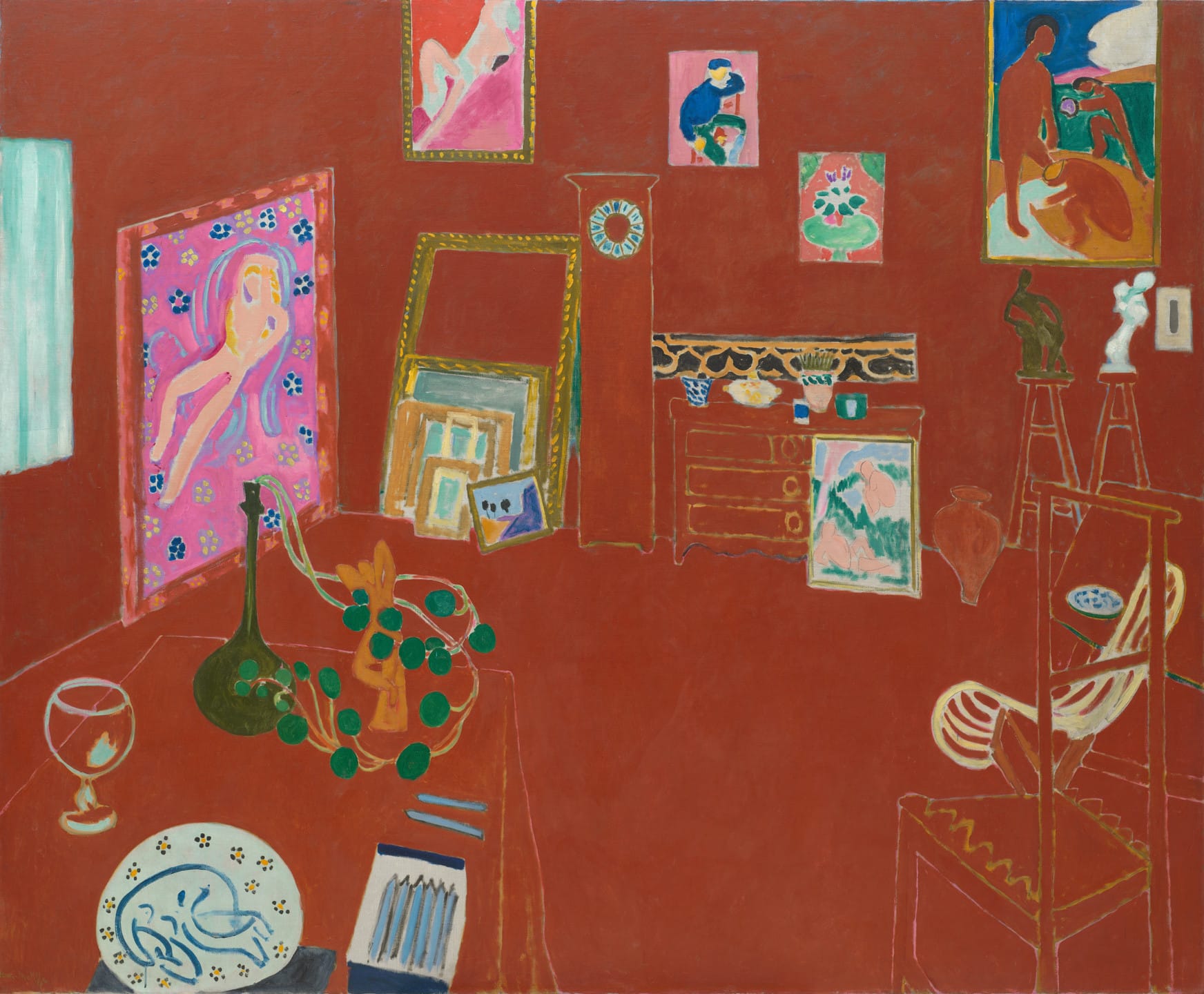
At the dawn of the 20th century, the prevailing art world was guided by rigid norms that defined artistic excellence. Representational accuracy was held in high esteem; a painting of a human subject needed to resemble its model, and landscapes required a realistic depiction. This status quo was irrevocably altered by Henri Matisse’s trailblazing masterpiece, “The Red Studio.”
https://www.youtube.com/watch?v=unla1jTwXdY" title="Great Art Explained: Matisse's 'The Red Studio'
Part of the Museum of Modern Art’s esteemed collection in New York, “The Red Studio” (or “L’Atelier rouge”) marked a radical departure from conventional artistic expression. Art historian James Payne, in a recently released documentary, discusses Matisse’s initial struggle to comprehend the significance of his own creation. “The painting seemed to break almost every established rule of Western painting,” Payne notes, highlighting its precedent-setting nature.
Measuring over seven feet in width, Matisse’s work challenges traditional perspective and depth cues, opting instead for a canvas dominated by Venetian red. This makes color the central aspect of the composition, a reflection of mentor Gustave Moreau’s assertion that color should be “thought, dreamed, and imagined,” as Payne elaborates.
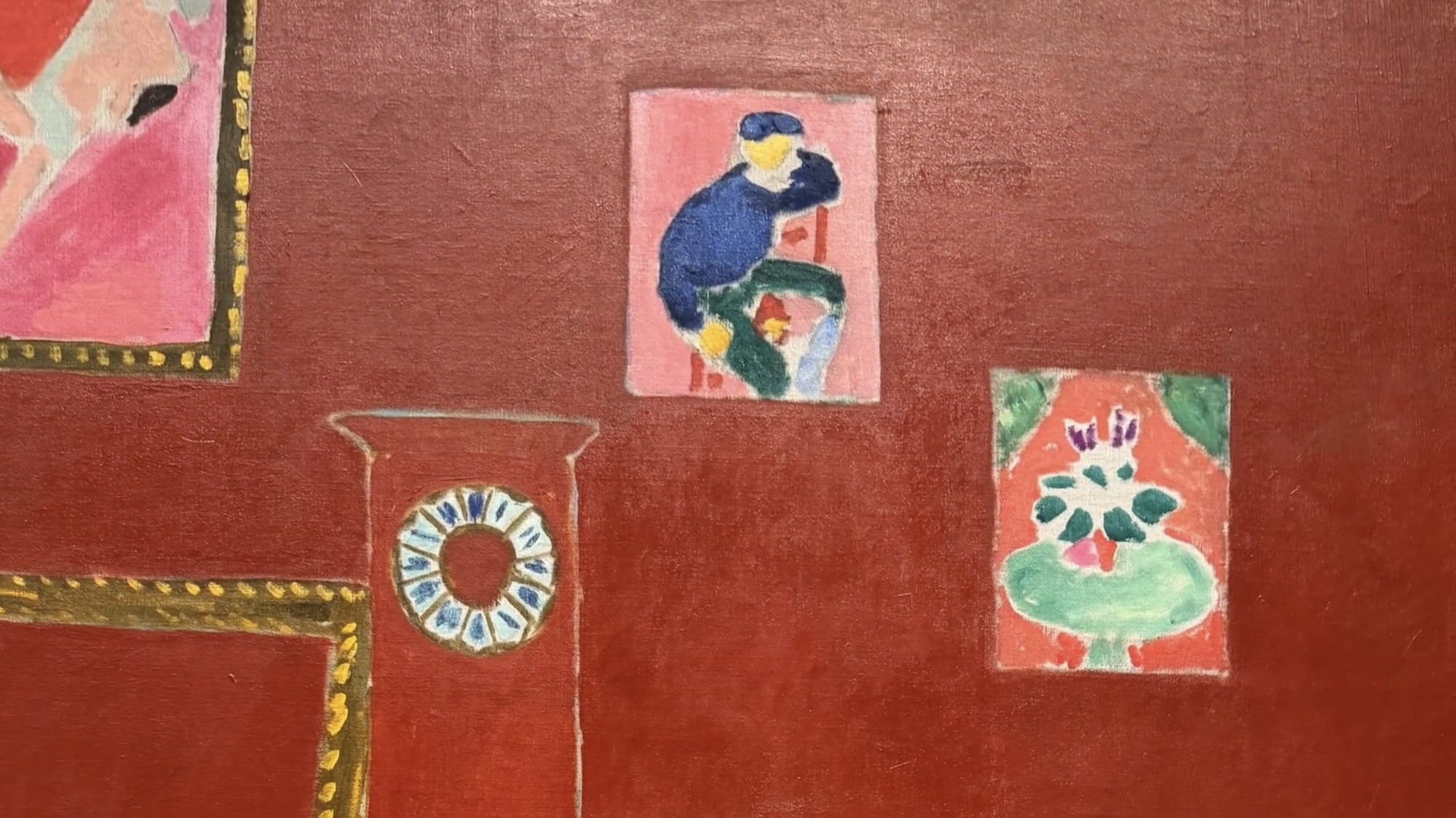
When Matisse completed “The Red Studio” in 1911, it was perceived as an anomaly—an uncanny depiction of a room almost engulfed by red. The furniture is reduced to outlines, the walls seem ephemeral, and even a grandfather clock is rendered without hands. “Even Matisse wasn’t entirely sure what he had created, and nobody wanted to buy it,” Payne remarked.
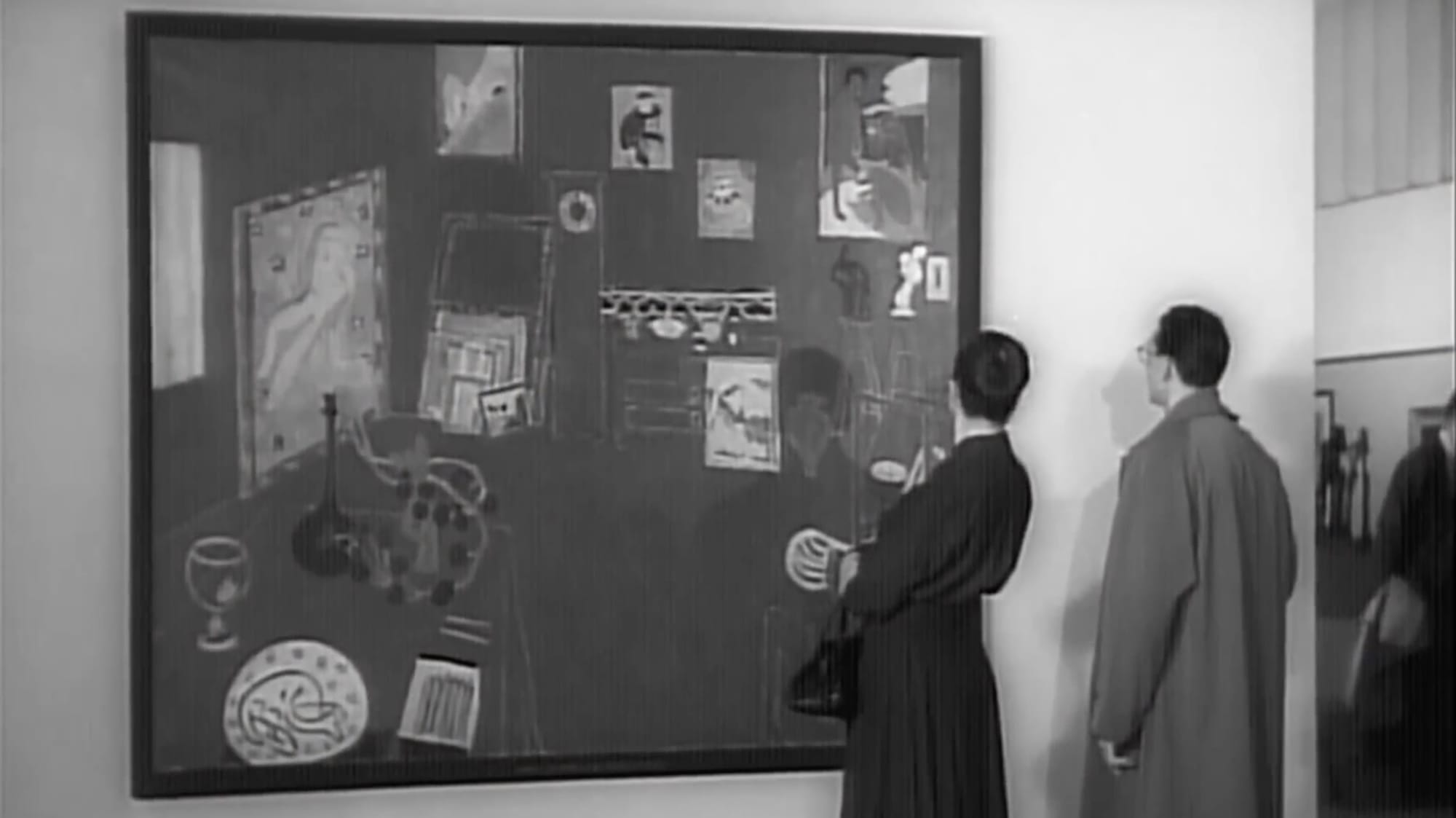
Despite being featured in the renowned 1913 Armory Show, alongside the likes of Cubism and Marcel Duchamp’s pioneering “Nude Descending a Staircase (No. 2),” “The Red Studio” faced widespread criticism. Unsuccessful in sales, Matisse sequestered it for nearly a decade before it had an unexpected stint in a London nightclub. Ultimately, it took decades for this unconventional piece to be celebrated as a revolutionary contribution to art history.

Chief Editor of Quincy City Beat — Quincy, MA's independent investigative newspaper covering Greater Boston and the entire Commonwealth of Massachusetts with fearless public accountability and free access for all readers.










Discussion about this post