

Brazil Unveils Groundbreaking Global Roadmap for Fossil Fuel Transition
Brazil has introduced a pioneering global “roadmap” advocating for the urgent and feasible transition away from fossil fuels. The comprehensive plan aims to guide nations as they seek to reduce their reliance on coal, oil, and gas.
This roadmap, a key outcome of COP30 held in Belém, Brazil, emphasizes that there is no universal strategy for moving away from fossil fuels. Instead, it encourages countries to assess their individual readiness and circumstances before implementing tailored action plans.
According to the timeline set by the roadmap, these efforts are expected to materialize by 2033, ten years after COP28 urged all nations to participate in the global shift from fossil fuels.
Analysis from Carbon Brief explores the implications of this roadmap and its influence on upcoming discussions about fossil fuels at COP31 in Turkey.
Background of Brazil’s Fossil Fuel Roadmap
The call for a coordinated global strategy to phase out fossil fuels was a significant point of contention at COP30. A coalition of 85 nations sought to ensure that a reference to this roadmap was included in the summit’s formal outcomes.
This demand arose following the first “global stocktake” conducted at COP28, which aimed to assess progress towards climate goals and emphasized a collective commitment to reduce fossil fuel dependency. However, opposition emerged from a group of countries, reportedly numbering 84, leading to intense negotiations.
Ultimately, Brazil resolved that the roadmap would not be integrated into COP30’s formal agreements but committed to developing it outside the UN framework. This initiative remains voluntary, meaning participation is not compulsory for countries involved.
The roadmap was inspired by discussions at a groundbreaking conference aimed at facilitating transitions away from fossil fuels, which took place in Santa Marta, Colombia.
Key Provisions of the Roadmap
The roadmap acknowledges that, due to significant delays in addressing fossil fuel consumption, achieving a global temperature limit of 1.5°C requires an initial overshoot. However, it points out that the transition to clean energy is already underway, stating that necessary policies exist and can be readily implemented.
Furthermore, the roadmap stresses that transitioning from fossil fuels is as much a developmental issue as it is a climate-related one, particularly for developing economies. To assist with this process, it introduces the “Belém readiness index,” a voluntary self-assessment tool for countries to evaluate their dependency on fossil fuels and their capability for transition.
Countries will be classified into four archetypes based on their readiness, allowing for the identification of tailored policy interventions. The roadmap outlines three progressive phases for action:
- The first phase, from now until 2028, focuses on institutional development and long-term signals.
- The second phase, spanning 2028 to 2030, will emphasize the physical restructuring of energy systems.
- The final phase, 2031 to 2033, aims to scale up transition efforts in alignment with commitments made at COP28.
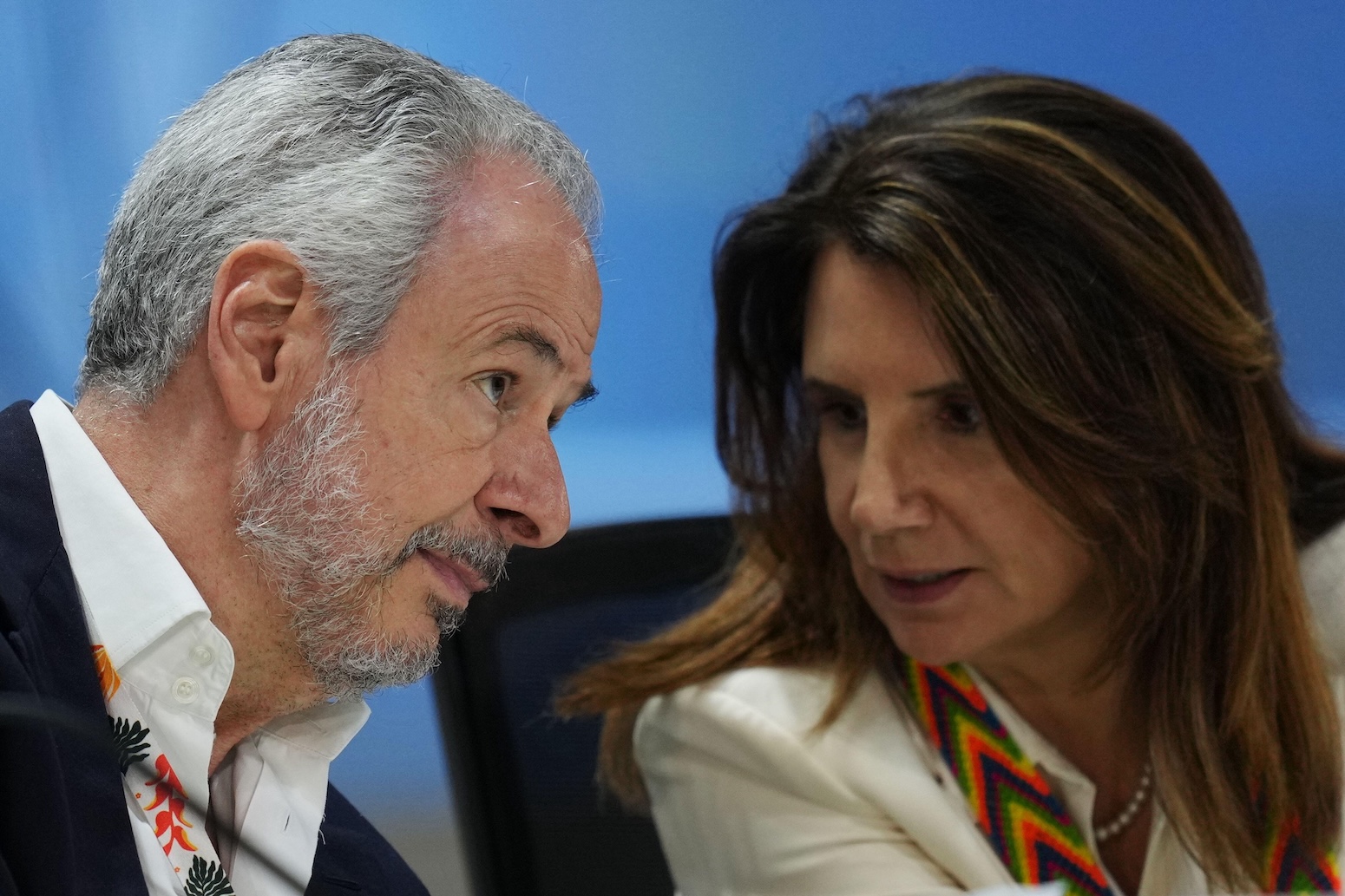
These phases were discussed in detail at a recent press briefing, where COP30 CEO Ana Toni stated that every stage is designed to be pragmatic and approachable for nations embarking on this journey.
Prospective Impact on COP31 Discussions
Brazil’s roadmap is poised to be a focal point at COP31, which convenes next week in Antalya, Turkey. Co-presidents Turkey and Australia have already outlined their priorities, including ambitions to increase electricity’s share in global energy consumption significantly.
At the briefing, the COP30 president indicated that Brazil’s roadmap complements these goals. Nonetheless, there are concerns that focusing on electrification might sidestep contentious discussions on fossil fuels.
Brazi’s representatives are optimistic about the roadmap’s reception at COP31, reiterating existing international consensus on the need to move away from fossil fuels. Experts suggest that this roadmap could encourage more nations to outline their fossil fuel transition plans and explicitly incorporate them into their national climate commitments.
Dr. Natalie Jones from the International Institute for Sustainable Development hailed the roadmap as a crucial political statement, while Avantika Goswami from the Centre for Science and Environment praised its consultative approach. Both emphasized the importance of practical guidance and international support to ensure effective transitions for vulnerable economies dependent on fossil fuel revenues.

Chief Editor of Quincy City Beat — Quincy, MA's independent investigative newspaper covering Greater Boston and the entire Commonwealth of Massachusetts with fearless public accountability and free access for all readers.









Discussion about this post