

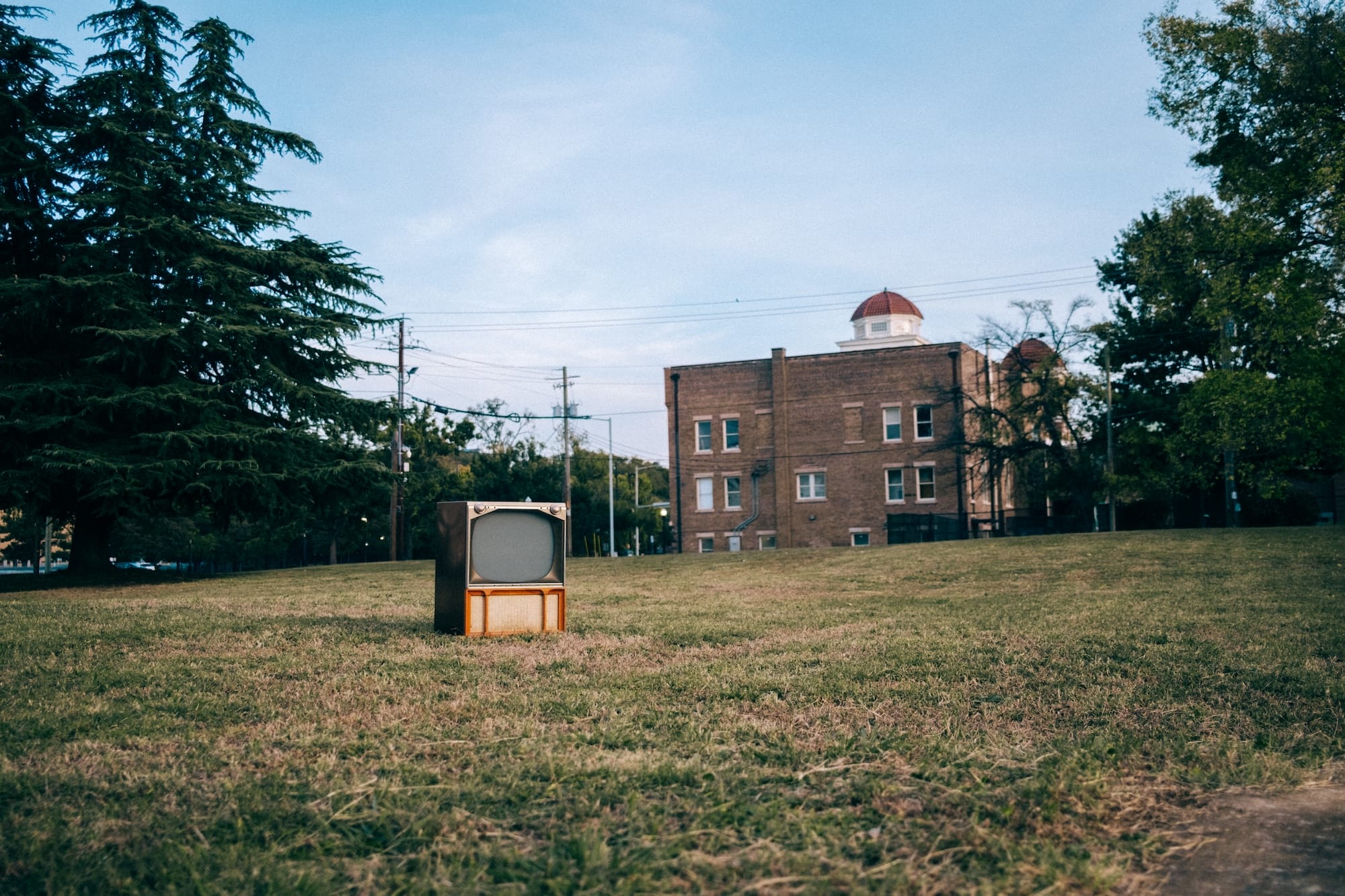
Exploring Historical Preservation Through Art: The Sacred Ordinary
Wendell Berry’s poignant lines in “How to Be a Poet” resonate deeply within community contexts: “There are no unsacred places; / there are only sacred places / and desecrated places.” This theme of sacred versus desecrated spaces is central to a new public art installation, The Sacred Ordinary, which addresses the precarious nature of historical preservation.
Collaborative Effort by 1504 and the National Parks Conservation Association
The Sacred Ordinary is a project spearheaded by 1504, a Birmingham-based production studio devoted to storytelling that bridges individuals with significant human-centered experiences. This interactive artwork is presented in partnership with the National Parks Conservation Association, dedicated to safeguarding U.S. national parks for forthcoming generations.
Contemporary Pressures on Historical Narratives
In early 2025, an executive order from President Trump mandated the removal of certain National Park Service signs associated with slavery, the LGBTQ+ community, and climate change, thus erasing critical historical narratives essential to the nation’s identity. Meanwhile, the current administration has obstructed funding for several parks and hampered services.
Historic Significance of Birmingham’s Civil Rights District
The Civil Rights District in Birmingham holds national monument status and is rooted in the historical experiences of Black Americans, highlighting the era of Jim Crow laws until the 1960s. This area was pivotal during the Civil Rights Movement, where iconic leaders such as Fred Shuttlesworth and Martin Luther King Jr. mobilized nonviolent demonstrations in 1963, a campaign that faced brutal opposition, including police violence against demonstrators and a tragic church bombing that claimed the lives of four young girls.
Celebrating Everyday Freedoms
The Sacred Ordinary pays homage to everyday liberties that many take for granted—such as shopping freely, attending school without restriction, and being able to sit in any part of a bus. The exhibition operates continuously, featuring mundane yet historically significant items that often go unnoticed in daily life.
Unique Installation Features
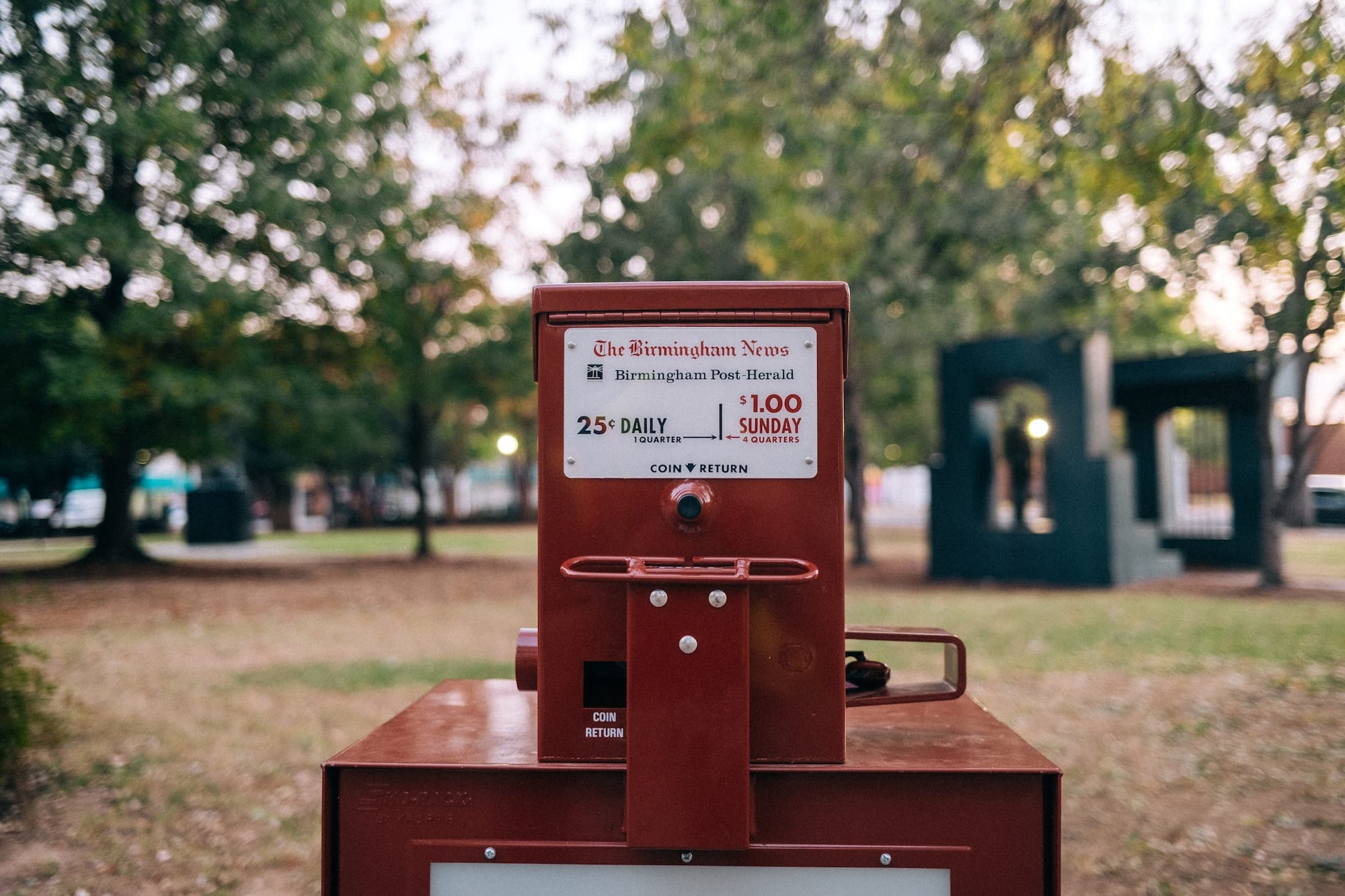
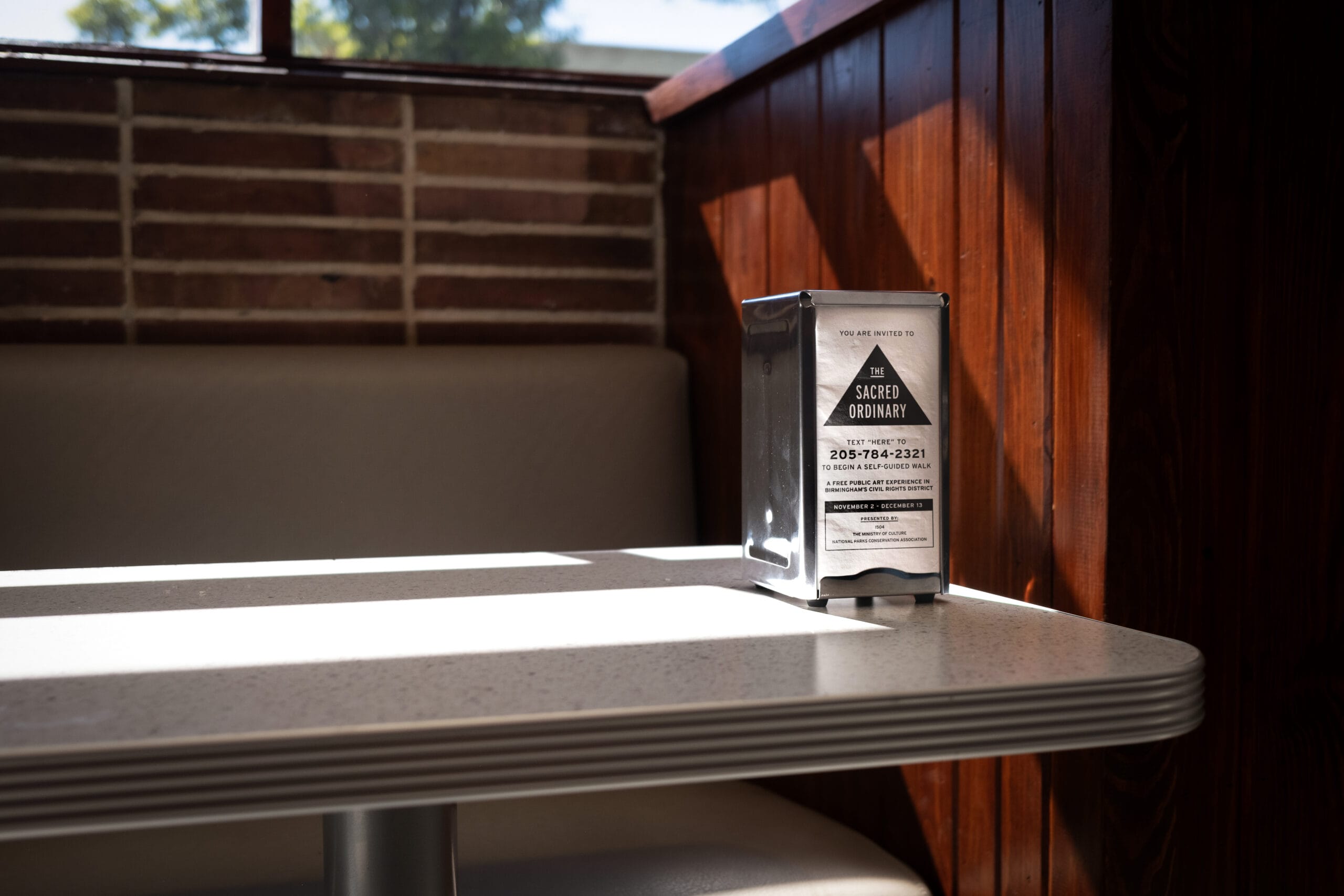
Highlights include a large mid-century television resting on a lawn paired with a red newspaper vending box for The Birmingham News, which ceased print operations in 2012, alongside blue U.S. Postal Service mailboxes and vintage telephone booths. Interactive elements invite the public to engage by texting a provided number to uncover more about the installations, leading them to a seemingly ordinary yellow fire hydrant.
Interactive Community Engagement
In a scavenger-hunt format, visitors are encouraged to enter the year indicated on the displayed artifacts. Between 5 PM and 8 PM, this activation serves as a multimedia self-guided tour that illuminates Birmingham’s Civil Rights District in a transformative light.
“Birmingham, Alabama, is globally recognized for sites of civil rights history that resonate as sacred,” states 1504. “Yet, the preservation of this memory faces threats from aging structures and federal attempts to erase significant historical chapters. What part can the community play in safeguarding these sacred sites?”
Focus on Collective Memory
Rather than emphasizing traditional signage, The Sacred Ordinary showcases elements from mid-20th-century civic life, provoking shared memories and connecting younger generations to experiences like printed newspapers and public telephones. These artifacts confront audiences with the realities of past communication methods and the essence of preserving collective history. Even without educational plaques, these items imbue meaning that resists erasure.
Narration and Cultural Significance
The experience begins with narration by actor André Holland, who has played a vital role in preserving historic venues in the area. Honoring Birmingham artist Joe Minter, The Sacred Ordinary will continue nightly until December 13, complementing guided walks and various associated events as part of the installation. Further information and updates can be found on the project’s official website and Instagram.

Chief Editor of Quincy City Beat — Quincy, MA's independent investigative newspaper covering Greater Boston and the entire Commonwealth of Massachusetts with fearless public accountability and free access for all readers.










Discussion about this post