

US Urges China to Honor Trade Commitments
WASHINGTON: The Trump administration reiterated its demand for China to promptly fulfill the commitments made in a nearly year-old trade agreement, emphasizing the importance of rare earths, critical minerals, and agricultural purchases, as stated by the United States Trade Representative’s Office.
Key Officials Engage in Critical Dialogue
Treasury Secretary Scott Bessent and US Trade Representative Jamieson Greer conveyed their concerns to Chinese Vice Premier He Lifeng during a recent call. This discussion focused on the obligations set forth in the trade pact that was established in Busan, South Korea, in October 2025.
Emphasis on Agricultural Purchases and Minerals
Ambassador Greer highlighted the necessity for China to take decisive action to completely honor its previous commitments, particularly regarding agricultural purchases and the supply of rare earths and other essential minerals. This was emphasized in an official statement from the USTR.
China Voices Concerns Over US Trade Restrictions
In response, China expressed “serious concern” over recent American trade limitations aimed at Beijing, according to China’s state-run Xinhua news agency. Despite these tensions, Vice Premier He agreed with US officials on the necessity of dialogue to foster “stable and positive” trade relations.
Upcoming Summits Between Leaders
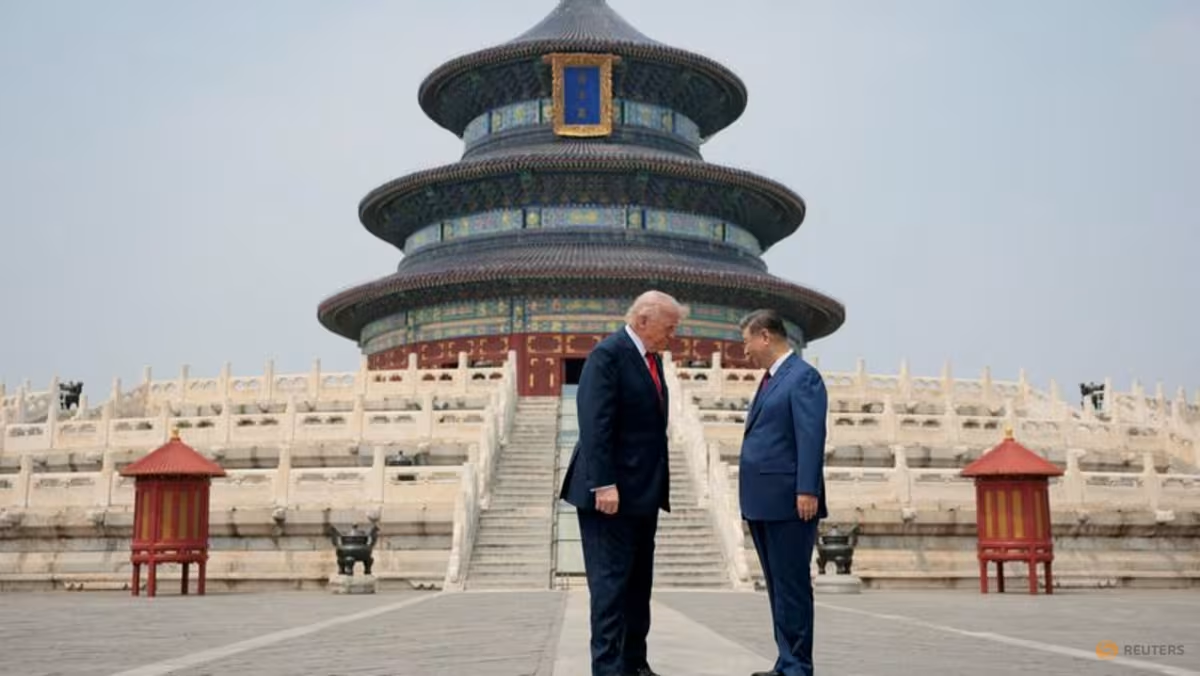
Upcoming meetings between Presidents Donald Trump and Xi Jinping are anticipated at the Asia-Pacific Economic Cooperation forum in Shenzhen, China, on November 18-19, and the Group of 20 summit in Miami, Florida, on December 14-15.
US Strategy for Balanced Trade
Greer stated that the administration aims to establish a balanced trade relationship with China by monitoring compliance with previous agreements, thus unlocking long-term benefits for American farmers, ranchers, manufacturers, and workers.
Challenges Facing US Companies
Greer, Bessent, and other US officials have raised concerns regarding the challenges US companies are facing in acquiring adequate amounts of rare earths and other critical minerals as stipulated in the Busan agreement. The US maintains that this deal was intended to relieve restrictions imposed during a period of escalating tariffs between the two nations.
Details of the Busan Trade Deal
The Busan trade agreement, set to expire on January 10, 2026, capped US tariffs on Chinese goods at approximately 20 percent. Under this arrangement, China committed to purchasing 25 million metric tons of US soybeans over the next three years and increasing its purchases of other American agricultural products by $17 billion.
Calls for Immediate Action from China
Bessent stressed the importance of China fulfilling its commitments without delay, addressing concerns regarding recent actions by Beijing, and emphasizing that progress relies heavily on tangible outcomes. The Treasury Department indicated that it will “closely assess China’s implementation of the arrangement.”
Beijing’s Stance on Tariff Concessions
Beijing has suggested that tariff concessions remain a priority in its objectives, as indicated by its commerce ministry’s statement on Thursday, which expressed an openness to purchasing more US agricultural goods contingent upon mutual tariff reductions.
Reciprocal Tariff Cuts Proposal
Following a summit between Xi and Trump in September in Washington, both sides proposed a $60 billion package of reciprocal tariff cuts, including approximately $17 billion worth of US agricultural goods slated for import by China in 2024. However, this proposal has yet to be finalized.
Adjustments in Agricultural Purchase Commitments
The White House announced in May that Beijing had pledged to buy $17 billion of US agricultural products annually from 2026, with the current year’s targets adjusted accordingly. This commitment is in addition to an earlier promise made in October of the previous year to procure US soybeans.

Chief Editor of Quincy City Beat — Quincy, MA's independent investigative newspaper covering Greater Boston and the entire Commonwealth of Massachusetts with fearless public accountability and free access for all readers.










Discussion about this post