

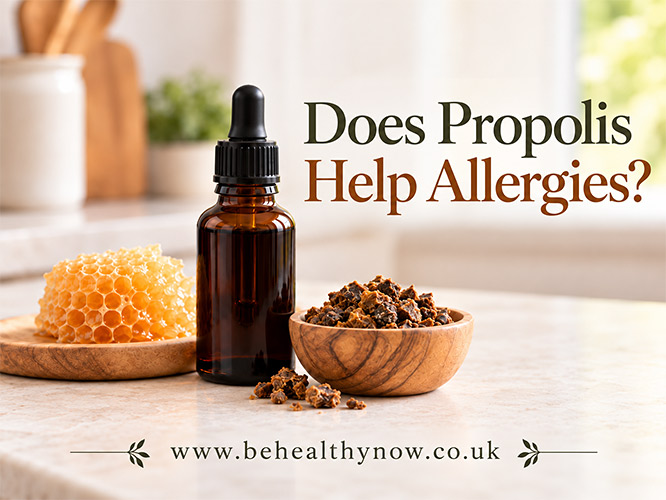
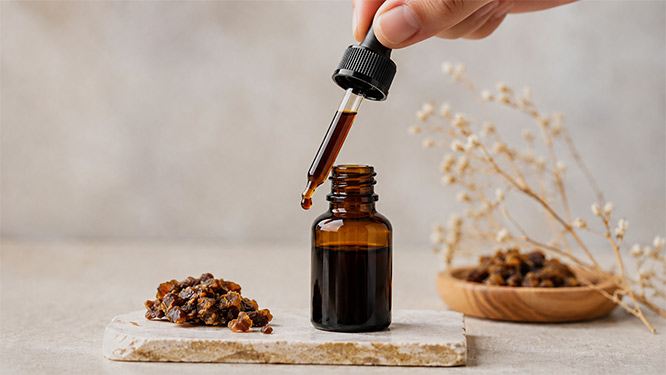
Propolis, a resinous substance produced by bees, is utilized for various purposes ranging from soothing throat discomfort to aiding in skin repair, and significantly, many individuals rely on it for immune enhancement.
However, the potential of propolis in alleviating allergies remains uncertain. Current human research is still inadequate to draw definitive conclusions.
Although laboratory and animal studies present encouraging results, the evidence derived from human trials does not yet provide a solid foundation for asserting that propolis effectively alleviates symptoms of hay fever or allergic rhinitis.
Moreover, it is crucial to note that some individuals may experience allergic reactions to propolis, warranting caution prior to its use.
Research Insights on Propolis
Investigators are intrigued by the possibility of propolis aiding allergy sufferers due to its composition, which encompasses natural compounds from plants capable of influencing various allergic response mechanisms.
Impact on Histamine Release
Allergic reactions trigger the release of histamine from specific immune cells, leading to common symptoms such as sneezing, itching, and nasal congestion.
A laboratory study indicated propolis may inhibit histamine release. Additionally, work involving cells from individuals with allergic rhinitis suggests propolis could diminish the release of other allergy-related substances.
Inhibition of Inflammation
In addition to histamine, allergic reactions also induce inflammation that exacerbates symptoms.
Propolis has demonstrated anti-inflammatory properties in human studies. A 2024 review examined randomized controlled trials and reported that propolis supplementation lowered various inflammation markers, even though these studies were not strictly allergy-focused.
This doesn’t prove that propolis can alleviate allergy symptoms, but it may clarify why interest in its potential exists.
Broader Effects on Allergic Responses
An allergic reaction encompasses more than just histamine release. Other immune system components also contribute to the ongoing allergic response and heightened inflammation.
In a research study, propolis was shown to decrease the release of substances that perpetuate allergic reactions, implying a multifaceted influence on the allergic response.
Clinical Evaluations of Propolis
Human clinical studies provide more relevant insights, as laboratory and animal results have their limitations.
Propolis for Allergic Rhinitis
A small randomized controlled trial involving 30 individuals with perennial allergic rhinitis examined the effects of a daily 200 mg propolis dosage over four months.
Participants continued using a steroid nasal spray, and while both groups reported symptom improvements, there was no significant advantage observed in the propolis group compared to placebo. No notable differences in quality of life or allergy-related IgE levels were detected.
Propolis Nasal Sprays: Promising but Cautionary
Larger scale studies of propolis-infused nasal sprays have shown positive outcomes. In a 2024 study with 10,000 participants suffering from allergic rhinitis, significant improvements in symptoms were documented following three weeks of treatment with a nasal spray containing Anatolian propolis and hypertonic saline.
A subsequent European study involving 440 participants revealed similar symptom relief after three weeks. However, neither study included a placebo group, making it challenging to determine the extent of improvement attributable to the propolis itself, especially since hypertonic saline could have contributed to symptom relief.
Propolis and Hay Fever
Current evidence does not strongly affirm the efficacy of propolis specifically for seasonal hay fever. The aforementioned oral trial targeted perennial allergic rhinitis, making it difficult to extrapolate these findings to seasonal allergic conditions.
Animal Study Findings
Animal studies have presented more favorable outcomes. Research assessing allergic rhinitis linked propolis to a reduction in symptoms like sneezing, nasal obstruction, and internal swelling of the nasal passages. Some investigations noted diminished inflammation and lowered histamine levels.
For instance, a study conducted on mice demonstrated that repeated doses of Brazilian propolis led to reduced sneezing and nose rubbing, while another study involving rats reported enhancements in nasal symptoms and inflammation.
These findings shed light on researchers’ interest in propolis, but animal studies do not directly translate to human efficacy.
Other Allergic Conditions Examined
Asthma
A couple of small-scale human studies have explored the impact of propolis among asthma patients.
In one trial, participants who combined propolis with their standard asthma treatments showed enhanced control and improvements in lung function and airway inflammation.
An earlier study also signaled positive outcomes in symptom management and inflammation. Although intriguing, these studies were limited in scope, and participants continued standard asthma treatments.
Eczema and Food Allergies
The current state of research on propolis and eczema leans heavily on laboratory and animal studies, with limited reliable human trials available.
Research on food allergies remains particularly sparse. Animal studies have indicated propolis may influence certain immune responses, yet robust clinical evidence of its efficacy in preventing or treating food allergy reactions in humans is lacking.
The Variability of Propolis
It is essential to recognize that propolis can vary significantly based on its geographical origin. The constituents are influenced by local flora, resulting in differing active compounds in Brazilian green propolis, Chinese propolis, and Anatolian propolis.
The method of processing further complicates the consistency of propolis. Research highlights that different propolis types can exhibit distinct effects.
Furthermore, propolis should not be mistaken for bee pollen, though confusion often arises between the two.
Potential Adverse Reactions to Propolis
Propolis may provoke allergic reactions in some individuals. Contact allergy, characterized by red, itchy, or inflamed skin, is among the documented responses.
Studies have confirmed propolis as a recognized allergen, with reactions varying by type of propolis and individual sensitivity.
Although some individuals have reported adverse effects after oral ingestion, such occurrences appear to be less frequent. Those sensitive to specific fragrances or plant resins may be at an increased risk for propolis-related reactions.
A pre-existing history of allergies does not infer a guaranteed allergic response to propolis; however, prudence is advised for individuals with known sensitivities.
Conclusion: Should You Consider Propolis for Allergies?
While propolis presents an intriguing option, it cannot yet be deemed a validated remedy for allergies.
The promising indications from laboratory and animal studies, paired with limited human research, suggest potential but insufficient evidence to support propolis as a fail-safe treatment for hay fever and allergic rhinitis.
It is advised to prioritize established allergy therapies, particularly for severe symptoms or asthmatic conditions.
If you are already using propolis with no adverse effects, it is worth monitoring ongoing research. However, if your intention is to acquire propolis specifically for allergies, maintaining realistic expectations is prudent.

Chief Editor of Quincy City Beat — Quincy, MA's independent investigative newspaper covering Greater Boston and the entire Commonwealth of Massachusetts with fearless public accountability and free access for all readers.








Discussion about this post