

Exploring the Health Benefits of Walking: Insights from ‘Walk’ Authors
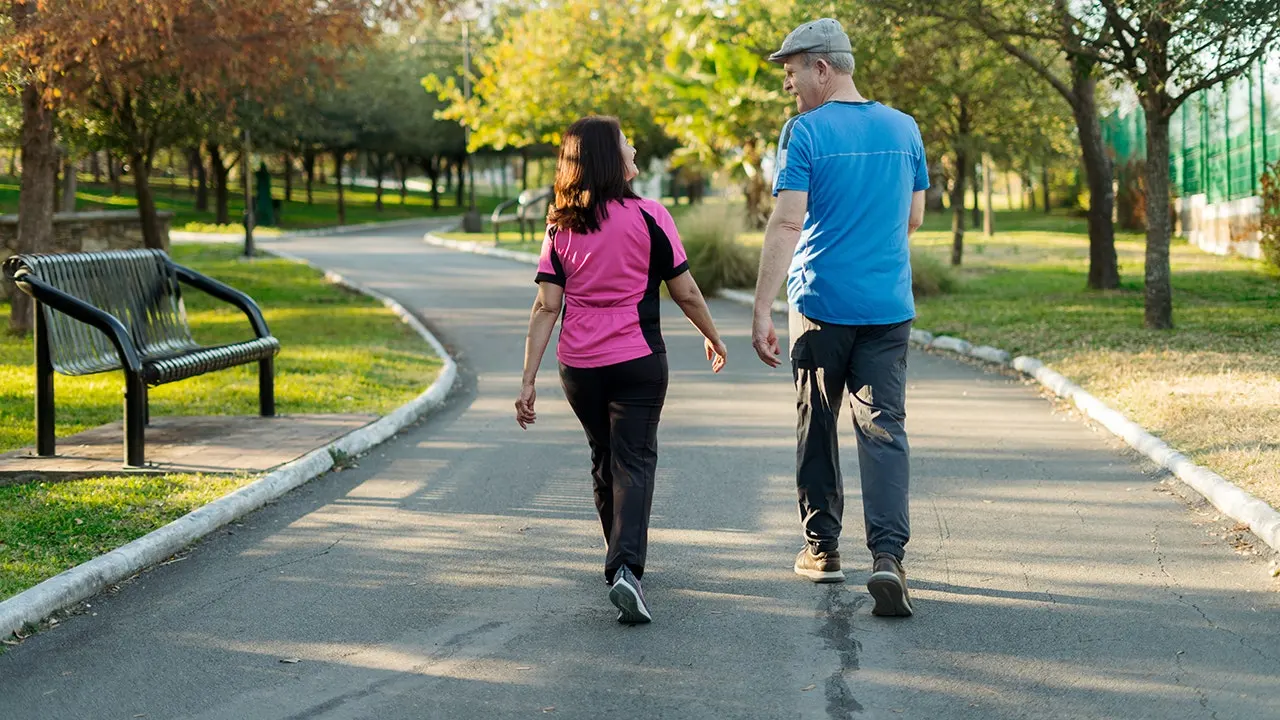
Dr. Courtney Conley and Dr. Milica McDowell, the authors behind the book “Walk,” are shedding light on the numerous advantages of walking for both physical and mental well-being. In a recent discussion with Steve Doocy, they introduced the concept of “Vitamin W,” emphasizing that walking is a simple and accessible activity that can enhance longevity. They advocate for increasing daily step counts from the current average of 5,000 to a brisk pace of 130 steps per minute to achieve significant health benefits.
Research Findings on Walking Pace and Longevity
A recent study, published in JAMA Network Open, has revealed intriguing insights regarding walking speed as an indicator of overall health. Following a cohort of 4,067 adults in the U.K., whose average age was approximately 69, researchers sought to determine the relationship between walking pace and mortality risk.
Participants engaged in a brief walking assessment at their usual pace and wore wrist activity trackers for nine days to monitor their everyday walking speed. The long-term follow-up, which spanned nearly 12 years, indicated that those who walked faster had a lower risk of death, even after adjusting for various health and lifestyle variables. During the study period, 739 participants passed away.
Walking Speed: A Vital Sign
According to Beth Templin, a board-certified geriatric clinical specialist and CEO of HouseFit Physical Therapy & Fitness, walking speed serves as a comprehensive indicator of bodily function. “In physical therapy, walking speed is considered the ‘sixth vital sign’ as it reflects the performance of many bodily systems,” Templin explained to Fox News Digital.
Changes in walking speed can signal shifts in health, with a decline in speed often serving as an early warning system for systemic deterioration that may not show up in laboratory results. Templin emphasized the crucial components of brisk walking: strong legs, a healthy heart, efficient lungs, and a well-coordinated nervous system.
Strategies to Improve Walking Speed
For older adults seeking to enhance their walking speed and overall fitness, merely increasing the number of steps may not suffice. “Focus on building strength and balance rather than just walking more,” Templin advised. She recommends foundational leg-strengthening exercises, such as standing from a seated position without using hands and performing heel raises while holding onto a counter.
Incorporating bursts of faster walking into a routine can also prove beneficial. Following a warm-up, individuals can alternate between one minute of brisk walking and two minutes of slower walking, gradually increasing the duration of faster intervals.
Study Limitations and Future Research Directions
It’s important to note that the study establishes a correlation rather than causation—walking faster does not guarantee a longer life. Templin highlighted that the study group was generally healthier than the broader population, and there is currently no standardized method for measuring walking pace across wrist activity trackers. Ongoing research is essential to explore whether these findings are applicable to other demographics.
Conclusion
As experts stress the importance of the correlation between walking speed and health, individuals are encouraged to adopt walking as a part of their daily routine. However, optimizing fitness involves not only increasing walk speed but also enhancing leg strength and balance for overall wellness.
For more health-related insights, subscribe to our newsletter or explore additional articles on this subject.

Chief Editor of Quincy City Beat — Quincy, MA's independent investigative newspaper covering Greater Boston and the entire Commonwealth of Massachusetts with fearless public accountability and free access for all readers.









Discussion about this post