

Escalating Food Insecurity in North America
By Michael
Widening Hunger Crisis
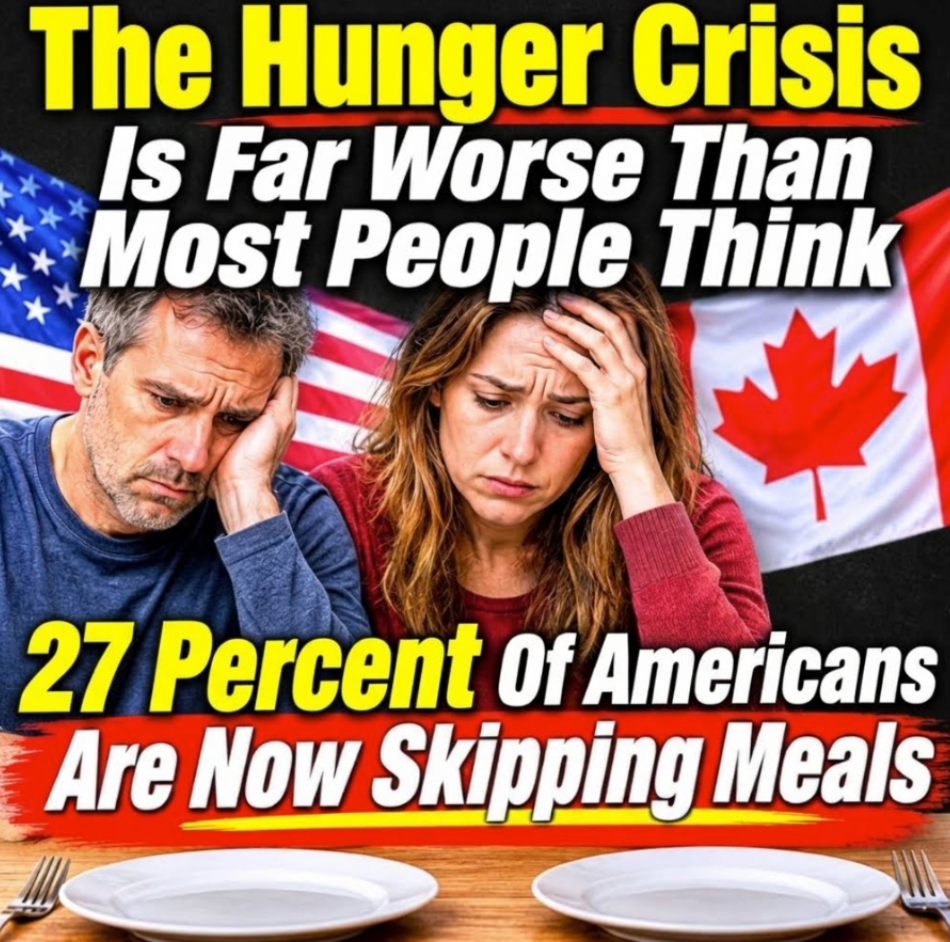
The global food crisis has reached alarming levels as hunger begins to escalate within North America, particularly in the United States and Canada. While scenes of famine in distant countries may evoke less empathy now than in previous decades, the struggle against hunger is increasingly apparent closer to home. Approximately 27% of Americans are currently facing food insecurity, raising profound societal concerns.
Soaring Food Prices
The ongoing cost-of-living crisis, which has intensified throughout this decade, has driven food prices to unprecedented heights. A significant segment of the population can no longer afford three meals a day, prompting a surge in reports of meal-skipping among adults.
Survey Insights on Meal Skipping
According to a recent survey by Intuit Credit Karma, over a quarter of American adults have reported skipping meals due to rising food costs. Conducted in May with a sample size of 2,011 respondents, the survey revealed that:
- 28% are delaying payments for essential expenses, such as rent, in order to purchase groceries.
- 27% admitted to occasionally skipping meals.
- 18% have sought or are considering applying for food assistance programs, while 15% have turned to food banks for support.
Statistics from the U.S. Department of Agriculture indicate that around 41.2 million Americans are receiving federal food benefits, with each recipient averaging approximately $230.88 monthly.
Workplace Lunch Trends
Further insights from a study by ezCater reveal that 54% of U.S. employees have skipped lunch at least once a week this year due to financial constraints. This figure has seen a gradual increase over the past four years, with inflation being cited as a major factor altering eating habits among workers.
Restaurant Employees in Crisis
The plight of hourly restaurant workers is particularly concerning, with a high percentage reporting difficulties in affording food. A recent study highlighted that 61% of these employees have missed multiple meals per week due to financial pressures, with a staggering 75% living paycheck to paycheck.
The Canadian Context
Conditions in Canada appear to be worsening, with 31% of Canadians reporting that they have skipped or reduced meals due to grocery prices, an increase from 27% in 2025. Community food aid is also seeing a rise, with service usage increasing from 11% to 15%. Young adults between the ages of 18 to 34 are particularly affected, as 41% have noted meal reductions due to financial constraints.
Increased Demand for Food Assistance
The standard of living continues to decline, leading to soaring demand for food banks across the nation. A recent NBC News survey found that nearly three-quarters of food banks reported an uptick in visitors over the past year, leading to frequent shortages of supplies.
Economic Outlook
With almost half of Americans struggling to afford basic needs, impending economic challenges raise questions about future conditions. Reports of layoffs, such as those at Disney, could precipitate further middle-class erosion, prompting fears of a potential collapse of economic stability for many.
Conclusion
The ongoing deterioration of food security in North America underscores an urgent need for effective solutions. As the fabric of the middle class continues to fray, the ramifications of economic policy and corporate decisions will be critical to monitor in the coming years.

Chief Editor of Quincy City Beat — Quincy, MA's independent investigative newspaper covering Greater Boston and the entire Commonwealth of Massachusetts with fearless public accountability and free access for all readers.










Discussion about this post