

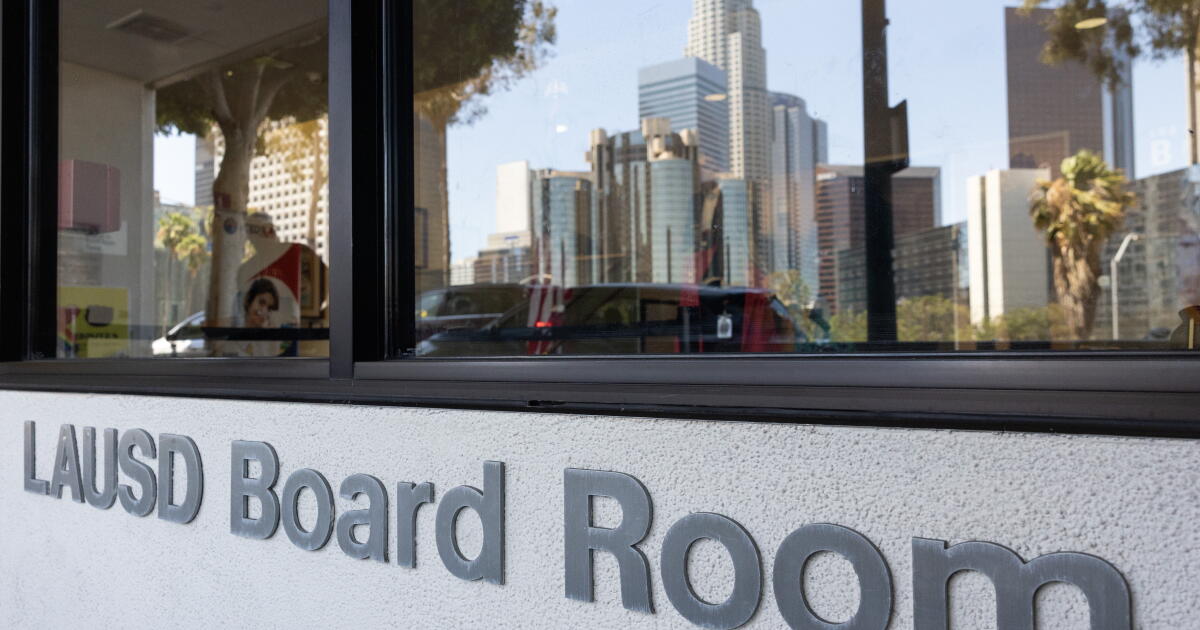
Los Angeles Unified School District Addresses Racism in Schools
The Los Angeles Unified School District (LAUSD) is set to enhance its protocols to monitor and respond to incidents of racism following disturbing reports from educators regarding ongoing racial abuse in schools. Instances of profound racial slurs, including the N-word, have been recurrent and troubling for many teachers, illustrating a pressing issue within the educational environment.
Teachers’ Accounts of Racism
Several educators have come forward with alarming accounts showcasing the culture of racism prevalent in schools. One teacher noted that the N-word had been scrawled on classroom walls for five consecutive years. Another teacher’s inbox revealed messages filled with hate, one declaring, “I really hate you, [N-word]. Black is ugly, and so are you.”
During an online discussion over the summer, a student was reported to have repeatedly yelled, “stupid [N-word],” yet faced no significant consequences as the principal overruled a two-day suspension issued by the teacher.
Movement Toward Policy Change
The consistent reports of racial insults have propelled the LAUSD to take action, aiming to strengthen procedures for addressing such issues. Many teachers and advocates express frustration with the existing lack of effective measures, stating that complaints often lead to retaliatory actions against those who report the incidents.
Student Experiences
The impact of racist language extends beyond educators. Black students have reported being subjected to derogatory names, including the N-word and other offensive terms. Shelly Castillo, a history teacher at San Fernando Middle School, highlighted that many students refrain from reporting these incidents due to fears of disbelief and retaliation.
Board of Education Takes Action
Citing the “centuries-long legacy of anti-Black racism,” the LAUSD’s Board of Education unanimously passed a resolution aimed at improving student counseling and staff training on these issues. The resolution requires that educators report back to the board by March on the advancements made regarding these initiatives, which resulted from discussions between board members and community advocates.
Context of Recent Legislative Actions
The N-word has recently attracted attention not only in educational settings but also in political arenas, such as Los Angeles City Hall, which passed a measure banning its use during public comment sessions. However, the legal implications regarding free speech and the educational context differ, with schools holding extensive authority to combat bullying and implement disciplinary measures.
Recounting Incidents
At a public forum in July, Rev. James Thomas shared testimonials from teachers addressing the relentless racial abuse they encounter. One teacher detailed an incident where students berated him with slurs, leading to insufficient action from school administration when reported.
Educators like Bruce Gerard Brown Jr. voiced strong opposition to dismissing the severity of the N-word, stating, “The [N-word] is not acceptable,” reinforcing the idea that it is not merely a bad word but a racial slur with significant historical weight.
Resolution: A Step Forward
A coalition comprising various organizations, including the Black Educator Advocates Network, expressed support for the newly enacted resolution, calling for a learning environment where Black teachers and students feel respected, secure, and valued.
Despite these advancements, some advocates believe the resolution fell short of their expectations, primarily addressing student welfare while failing to adequately protect educators. The focus remains on a restorative justice approach rather than punitive measures for students, which has led to concerns about accountability.
Board member Tanya Ortiz Franklin suggested hosting workshops for families to elucidate the implications of using hate speech in schools. Hendy Newbill, the only Black member of the board, reaffirmed that mere rhetoric would not suffice, emphasizing that every incident necessitates a committed response and accountability moving forward.

Chief Editor of Quincy City Beat — Quincy, MA's independent investigative newspaper covering Greater Boston and the entire Commonwealth of Massachusetts with fearless public accountability and free access for all readers.









Discussion about this post