

Transformative Power of Light on Health
The significance of light in enhancing our well-being cannot be understated. This essential yet often disregarded element holds the potential for substantial health benefits. Over the years, discussions concerning various types of light—including sunlight, blue light, and red light therapy—have revealed invaluable insights. This article aims to consolidate that information, presenting a comprehensive overview of the beneficial effects of light on health.
While there may be some redundancy in the upcoming sections, the material is organized into distinct categories for clarity. Several articles and podcast episodes focus solely on light’s health advantages, while others incorporate complementary health strategies alongside light exposure.
Healthy lighting is just one component of a holistic wellness approach. Although it can yield remarkable results, other elements such as stress management, restorative sleep, and adequate hydration remain vital for overall well-being. That said, optimal light exposure may amplify the effects of these healthy habits.
The Advantages of Sunlight
Sunlight serves as a powerful agent for healing. When it interacts with our skin and eyes, it stimulates the production of vitamin D, a hormone essential for immune function, bone health, mood regulation, and hormonal balance.
Despite its advantages, many individuals find themselves indoors, often under artificial lighting. Research indicates that children spend an average of only 4 to 7 minutes outdoors daily. A recent survey revealed preschoolers typically engage in outdoor play once a week or less.
Adults experience similar indoor confinement, with many reporting under an hour of outdoor exposure each day, and over 18% spending fewer than 15 minutes outside. Actively prioritizing time outdoors can yield significant health improvements—here are some compelling reasons to embrace natural light!
Benefits of Morning Light
Morning light is particularly beneficial and warrants special attention. During my recovery from Hashimoto’s, I made it a practice to rise early and step outside at sunrise, often dozing off in the gentle glow. Even if your energy levels vary, morning sunlight can still be advantageous! It provides abundant red light and helps regulate circadian rhythms and cortisol levels—making it a non-negotiable aspect of my morning routine.
Cortisol and Circadian Rhythm Alignment
Exposure to sunlight, especially during sunrise and sunset, is crucial for aligning our circadian rhythms. The Cleveland Clinic explains that our circadian rhythm functions as a 24-hour biological clock, governing essential processes including sleep cycles, hormone production, digestion, and stress levels.
Moreover, light impacts cortisol, our stress hormone. While cortisol is essential, it must be produced in appropriate amounts and at the right times. Mismanagement of light exposure, particularly blue light at inappropriate hours, can disrupt these rhythms. Adopting smart light habits can enhance both cortisol and circadian balance.
Sun Exposure and Sunscreen Insights
Though sunscreen is often viewed as essential, I advocate for a more balanced perspective on sun exposure. Contrary to conventional advice, I believe we should seek more sunlight rather than restrict it. However, protection against sunburn and skin damage is paramount.
This article outlines when sunscreen is beneficial, the types that promote skin health, and additional methods to safeguard skin while enjoying the outdoors.
Understanding Red Light Therapy
The natural red light available during sunrise and sunset is complemented by various red light therapy devices, which offer targeted benefits. Options include red light face masks, blankets, panels, and even brushes designed specifically for oral health.
This section outlines the advantages of red light therapy and identifies the best sources for obtaining it.
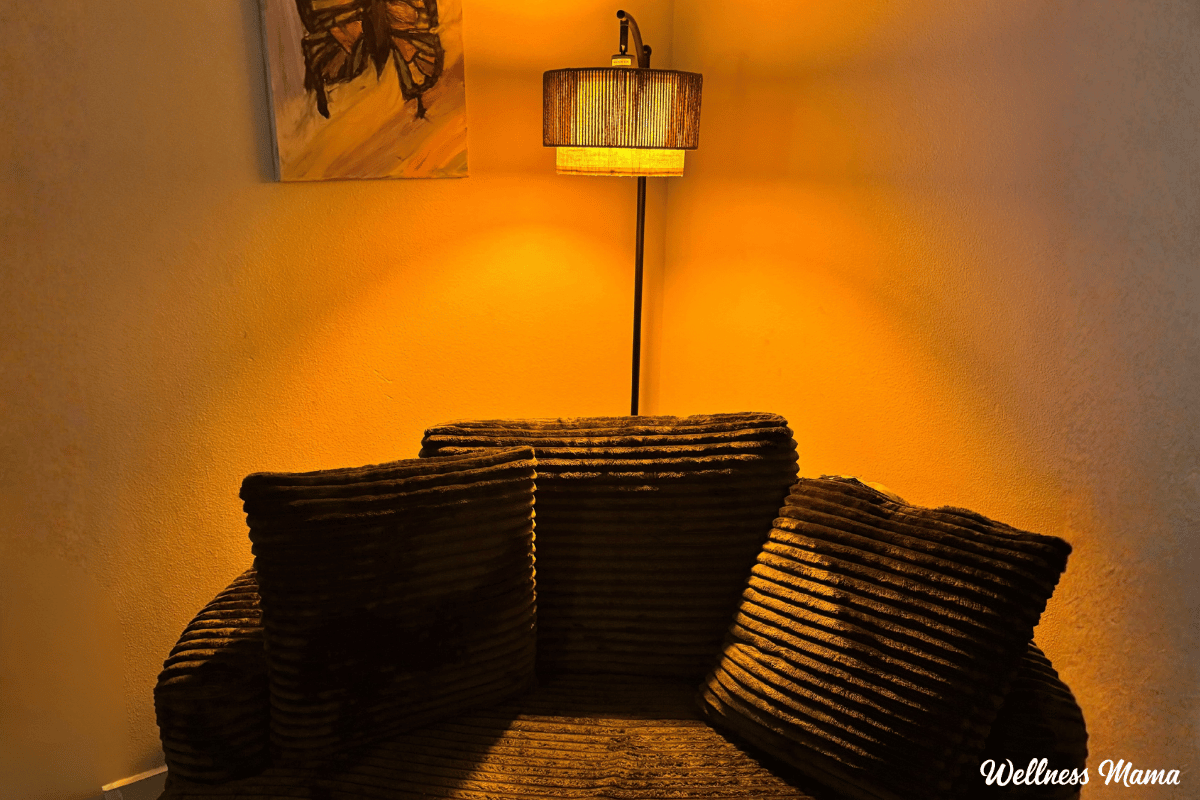
Healthy Indoor Lighting Solutions
Many overlook the impact of indoor lighting on overall health. However, inadequate indoor lighting can undermine health efforts. LED lights, known to flicker, can incite stress responses within our nervous systems, often unnoticed by the eye but registered by the brain.
Exposure to blue light at night, particularly from screens, sends signals to our brain that it is still day, inhibiting our ability to unwind and prepare for sleep. This section will explore healthier lighting alternatives and best practices for indoor illumination.
Podcast Episodes on Light’s Health Benefits
Throughout my podcast series with Wellness Mama, I’ve engaged with numerous experts discussing the importance of sunlight and various light types for health. My enthusiasm for this subject has led to several solo episodes dedicated to exploring these themes.
Episodes delve into optimizing sunlight exposure, its effects on mitochondria and energy levels, and the interplay of light with hormonal balance, among other topics. Highlights include:
- 429: Andy Mant on Light’s Healing Properties
- 609: Dr. Jack Kruse Discusses Junk Light and Longevity
- 949: Light Masterclass with Roudy Nassif
- 822: Dr. Courtney Hunt on Sunshine and Cellular Health
- Episode 1000: Reflections and Insights
- 627: Jim Stephenson on Vitamin D Misconceptions
- 1009: Mitochondria and Light Masterclass with Justine Stenger
- 999: Insights on Hormones and Light with Sarah Kleiner
- 691: Dr. Leland Stillman’s 80/20 Health Approach
- 301: Using Light for Health Improvement with Matt Maruca
- 245: Ari Whitten on Combating Fatigue with Light
Do you prioritize natural light exposure or limit certain light types? Share your experiences and observations in the comments below!

Chief Editor of Quincy City Beat — Quincy, MA's independent investigative newspaper covering Greater Boston and the entire Commonwealth of Massachusetts with fearless public accountability and free access for all readers.









Discussion about this post