

Artificial Intelligence in Climate Research
Recent advancements in artificial intelligence (AI) are enabling scientists to enhance their understanding of climate change at an unprecedented pace.
While AI is widely recognized for its applications in large language models like ChatGPT, Claude, and Gemini, its scope extends far beyond these examples.
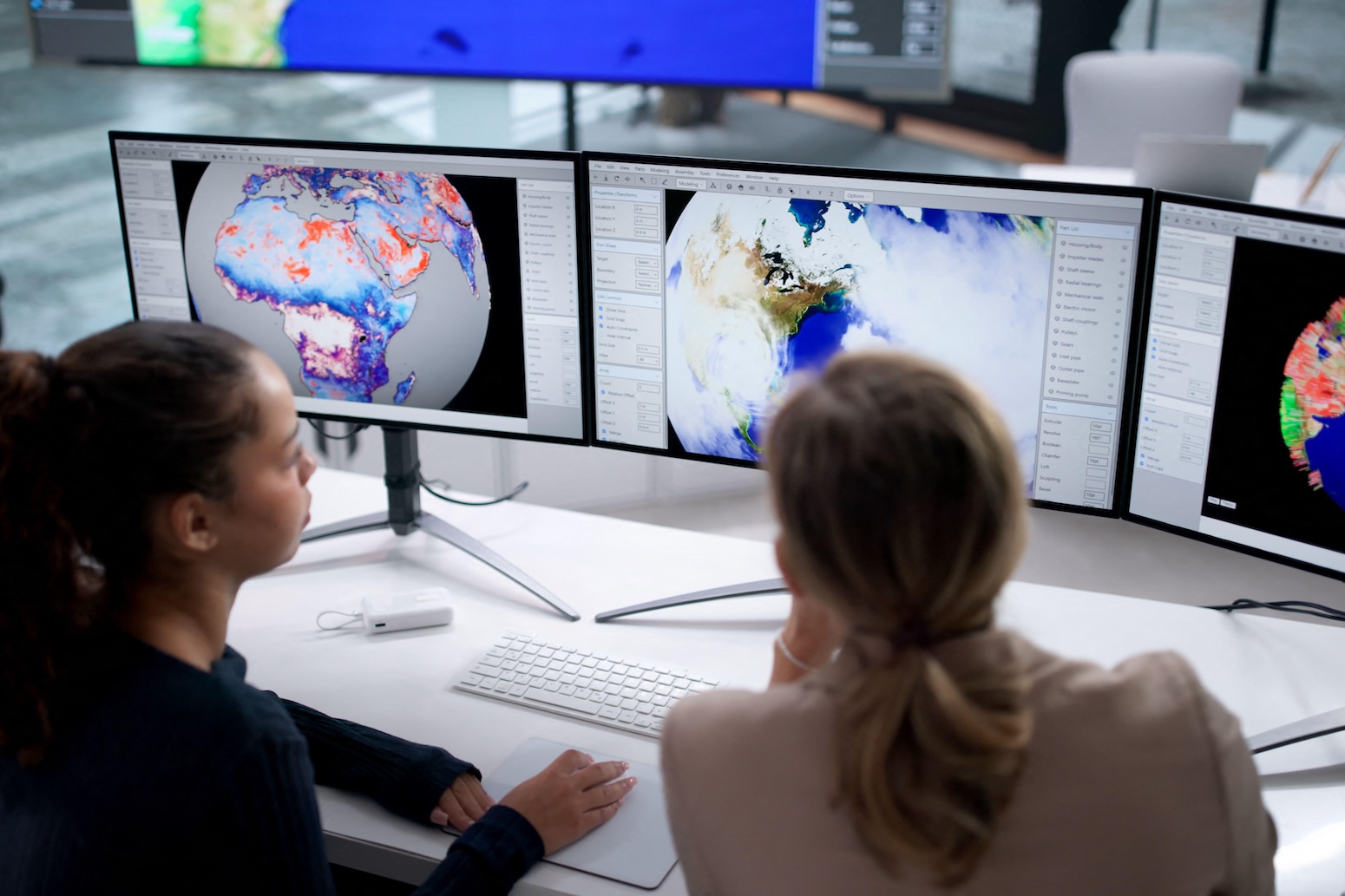
Climate scientists now utilize various AI technologies, from sophisticated weather forecasting systems to satellite image analysis, aiming to devise accelerated and more effective methods for studying the warming of our planet.
Nonetheless, the integration of AI within this field is fraught with challenges, including the risk of depending on unverified results, significant energy consumption, and potentially widening existing inequalities in climate science.
A recent discussion with ten experts across diverse climate-related domains — from forecasting to energy grid analysis — revealed insights into the multifaceted roles of AI in climate science.
The Benefits and Challenges of AI in Weather and Climate Forecasting
Dr. Doug McNeall, science lead in data-driven climate modeling at the UK Met Office, explained that recent advances in AI-driven weather prediction models allow them to learn from extensive weather data to forecast conditions up to two weeks ahead. These AI systems have demonstrated higher accuracy with significantly reduced computational requirements compared to traditional numerical models that rely on mathematical simulations.
However, Dr. McNeall noted a critical challenge: AI weather-prediction models currently excel in short-term forecasting where ample observational data is available. Long-term climate predictions, on the other hand, present complexities since they require insights beyond the existing observational record.
He posits that a hybrid approach, combining both AI and traditional modeling methodologies, could expand accessibility to climate risk assessments without sacrificing the physical principles underlying reliable climate predictions.
Prof. William Collins, from the University of East Anglia, emphasized the significant resurgence of AI in both weather and climate disciplines. He highlighted machine learning’s transformative impact on numerical weather prediction, exemplified by its adoption at the European Centre for Medium-Range Weather Forecasts. Nevertheless, he cautioned that predicting the future climate represents a daunting challenge, given the absence of historical data to inform these projections.
Dr. Amirpasha Mozaffari, a researcher at the Barcelona Supercomputing Centre, mentioned that while AI forecast models perform well on typical weather, they often fall short during unprecedented extreme events that are critical for climate adaptation. Addressing this gap remains a primary challenge within the field.
Current Applications of AI in Climate Science Research
Dr. Stefano Materia, also from the Barcelona Supercomputing Centre, pointed out how the abundance of Earth-observation satellites has generated vast amounts of geospatial data that AI can translate into actionable insights. For instance, AI is employed in monitoring greenhouse gas emissions, such as methane, enabling automatic identification of industrial leaks through hyperspectral imagery.
AI’s capabilities extend into monitoring environmental changes, including detecting illegal logging and glacier retreat at a pace that human analysis cannot match.
Dr. Clare Eayrs, a polar research scientist at New York University, indicated that machine learning is integral to sea ice modeling efforts. Notably, the Ice Net forecasting system has showcased the potential of deep-learning methodologies in producing reliable seasonal Arctic forecasts.
Prof. Cristiana Stan, vice-chair of the World Climate Research Programme (WCRP), noted that AI has permeated various aspects of the WCRP, contributing to the evolution of weather models and enhancing predictions through hybrid methodologies.
Advancements in Climate Policy and Action Using AI
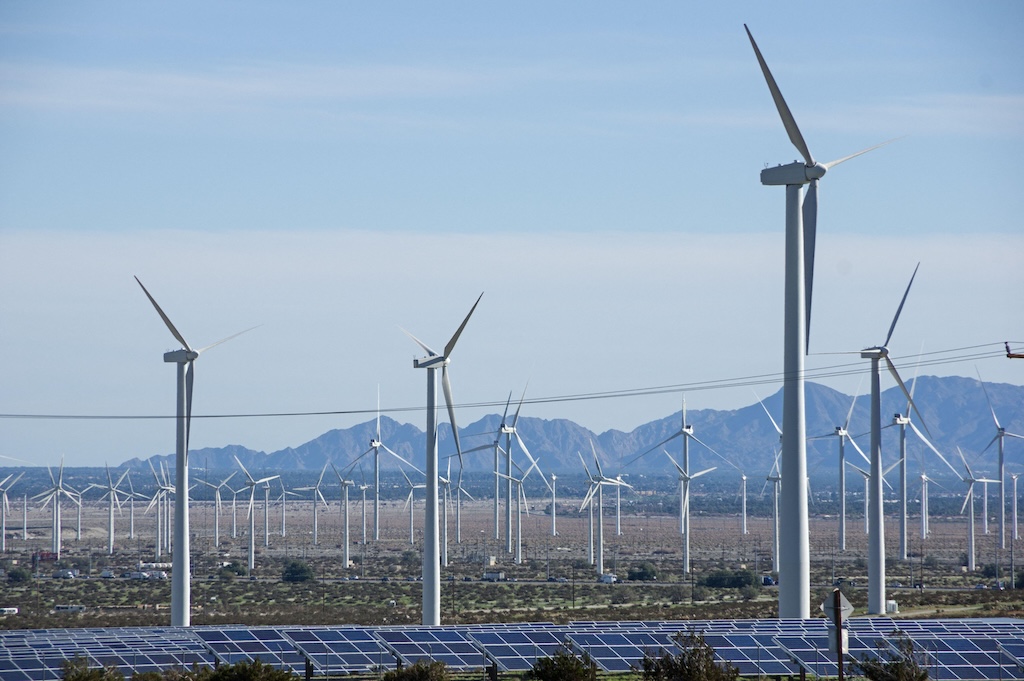
Prof. Priya Donti, of the Massachusetts Institute of Technology, discussed the evolving management of renewable energy on power grids. AI is pivotal in enhancing predictions for solar and wind power production, thus streamlining grid management and energy planning.
Dr. Carlos Rodriguez-Pardo, a postdoctoral researcher at Politecnico di Milano, elaborated on AI’s utility throughout the climate policy lifecycle, from data measurement to enhancing scenario modeling and evaluating policy effectiveness.
Future Potential of AI in Climate Research
Prof. Cristiana Stan indicated that the WCRP is actively exploring AI’s future contributions, focusing on modeling, data impacts, and collaboration with the private sector to ensure reliability in AI applications.
Dr. William Collins anticipated that upcoming reports, such as the IPCC’s eighth assessment, may significantly leverage AI technologies, particularly in data synthesis and uncertainty disclosure.
AI’s integration into climate modeling is expected to significantly enhance computational efficiencies, addressing previously insurmountable challenges within traditional frameworks.
Common Misconceptions About AI in Climate Science
Dr. David Rolnick pointed out the frequent misconception that AI’s most significant contributions stem from large generative models, whereas practical applications in climate science often focus on more specialized systems.
Prof. Priya Donti asserted that general public perception often conflates AI with a narrow range of technologies, such as chatbots, which can lead to misaligned funding decisions in climate sciences.
Addressing Inequalities in Climate Research with AI
Dr. Amirpasha Mozaffari cautioned that advanced AI models are predominantly developed in affluent regions, potentially perpetuating disparities in climate research. Enhanced access to AI technologies must be pursued to mitigate this divide.
Dr. Carlos Rodriguez-Pardo argued that AI could democratize climate research by enabling smaller institutions in data-scarce regions to utilize pre-existing models, thus enhancing local adaptive strategies.
Risks and Challenges of AI in Climate Change Research
Dr. Clare Eayrs stressed the importance of establishing trust in AI systems. Robust validation and interpretability are crucial to prevent the potential neglect of essential observational data.
Dr. William Collins echoed concerns regarding AI-generated insights, urging caution to distinguish between plausible model outputs and genuine results.
Dr. David Rolnick reiterated that AI should not detract from broader climate action initiatives, emphasizing its role as one element of a multifaceted solution.
Prof. Detlef van Vuuren noted an influx of research proposals fueled by AI tools, calling for a standardized understanding of AI’s role within scientific literature and proposal submissions.
Dr. William Collins concluded by advocating for collaboration across academia and industry to sustain open science and transparency in climate research.
Dr. Carlos Rodriguez-Pardo amplified the importance of clearly communicating uncertainties in AI-driven outputs, prioritizing the augmentation of human judgment in climate decision-making.

Chief Editor of Quincy City Beat — Quincy, MA's independent investigative newspaper covering Greater Boston and the entire Commonwealth of Massachusetts with fearless public accountability and free access for all readers.










Discussion about this post