

China’s CO2 Emissions Show Significant Decline in Q3 2026
According to recent data, China’s carbon dioxide (CO2) emissions decreased by 3.1% in the third quarter of 2026. This decline is attributed to the ongoing Hormuz crisis, which has adversely impacted oil demand, alongside a notable reduction in coal consumption.
This quarterly drop marks the largest reduction since the lockdowns imposed during the Covid-19 pandemic in 2022, bringing China’s emissions down by an estimated 0.5% for the year-to-date period.
The analysis conducted for Carbon Brief, leveraging official statistics and commercial metrics, reveals that coal usage fell by 3% year-on-year in Q3 2026, with oil consumption down by 4%. The primary factors influencing this decline include a decrease in coal consumption within the power sector, a steep reduction in oil usage for transportation, and a slowdown in the growth of the coal-to-chemical sector.
This significant decrease in emissions is part of an ongoing trend of stabilization or reduction that has persisted since March 2024.
Factors Contributing to Emission Reduction
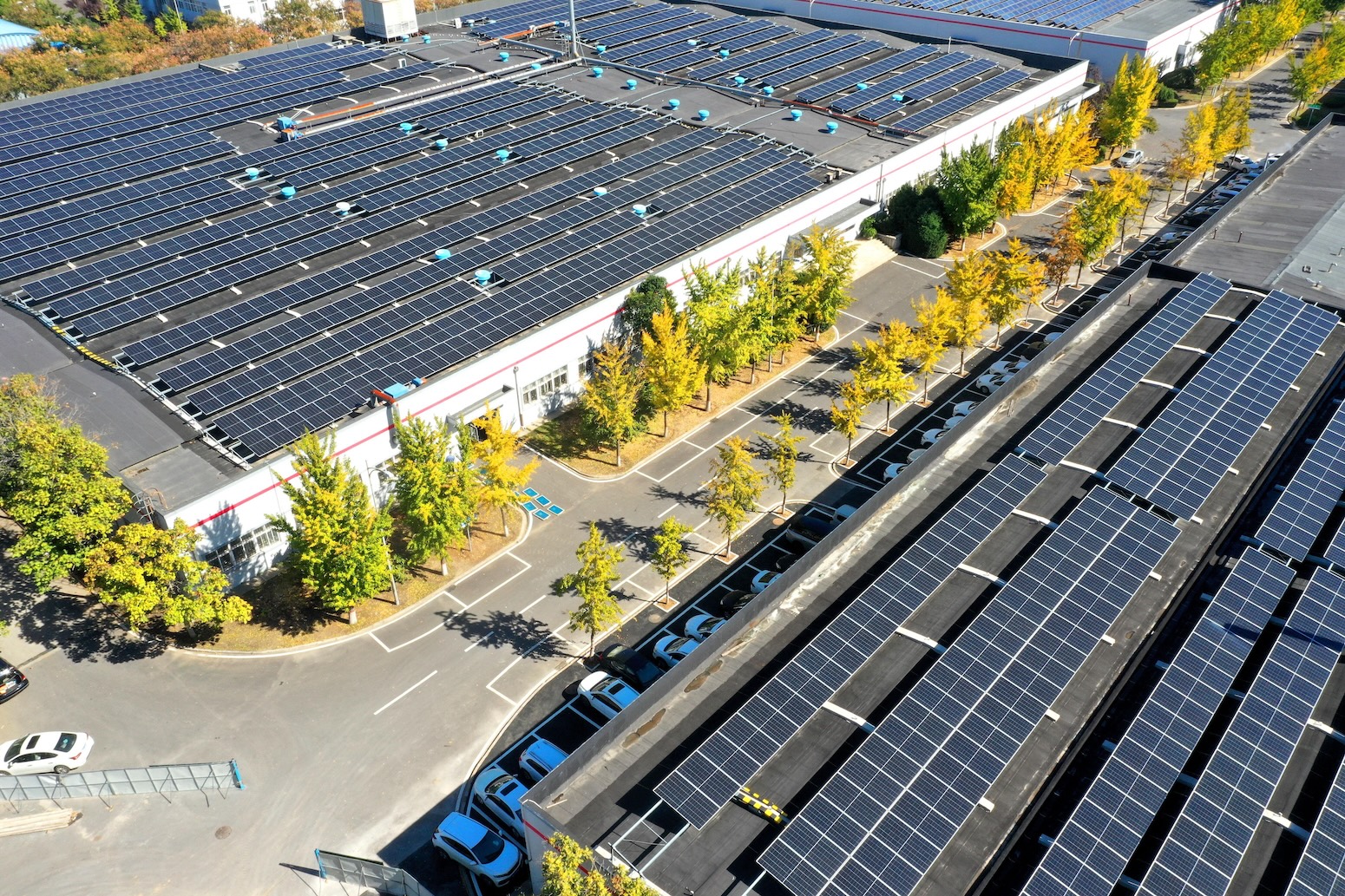
The decline in CO2 emissions during the third quarter can be attributed to a 3.3% reduction in coal-fired power generation, driven by slowed demand and a decrease in “wasted” wind and solar power. Electricity generation from solar, wind, and nuclear sources increased by 110 terawatt hours (TWh) year-on-year, outpacing the overall growth in electricity demand, equivalent to Germany’s entire power generation in the same timeframe.
Interestingly, despite continued construction of new coal power plants at an accelerated rate, coal-fired generation and CO2 emissions have decreased. This phenomenon has resulted in reduced profit margins for coal plants as their operational hours diminish.
Transport oil consumption exhibited a steep decline, dropping by 9% year-on-year in Q3 2026. The electric vehicle (EV) market reached a milestone, with EVs accounting for 67% of passenger car sales and 50% of heavy truck sales in September. Additionally, the electricity consumed by EVs surged by 53%, suggesting increased utilization of existing EV fleets over traditional fuel-powered vehicles.
Elsewhere, the coal-to-chemical sector, previously a significant emission contributor, experienced slowed growth due to high coal prices affecting profitability and increased costs dampening downstream demand.
Furthermore, emissions resulting from cement and steel production saw a continued decline amid decreasing construction activity.
Future Projections for Carbon Emissions
The growth in energy consumption is tapering off following a surge during the Covid pandemic, while the expansion of clean energy sources remains robust. This dynamic is likely to result in clean-power generation outpacing the overall increase in energy demand, perpetuating the structural decline in fossil fuel reliance.
Looking ahead, the trajectory hinges on overcoming obstacles to accelerating the integration of new solar and wind energy into the grid, as some clean energy remains underutilized. The recent slackening in energy demand growth can be attributed, in part, to exceptionally mild weather conditions observed in Q3 2026.
Another pivotal factor influencing energy consumption is the slower GDP growth rate. Although GDP growth remains aligned with targets, this mitigates the need for further economic stimulus measures.
Current economic stimulus initiatives focus on enhancing “six networks,” which encompass infrastructure critical to power and transportation. These networks are closely tied to energy dynamics and emissions and are already supported by policies promoting green and zero-carbon solutions.

Chief Editor of Quincy City Beat — Quincy, MA's independent investigative newspaper covering Greater Boston and the entire Commonwealth of Massachusetts with fearless public accountability and free access for all readers.










Discussion about this post