

James Wines and SITE: Redefining Art and Architecture
James Wines stands as a pioneer among artists and architects who challenge conventions and push creative boundaries. He is the founder of SITE (Sculpture in the Environment), a New York-based studio established in 1970, which has an impressive portfolio that includes commercial buildings, urban infrastructure, public art installations, and more. Wines’ work consistently examines the interplay between art and architecture, questioning established norms and expectations.
Journey of Inspiration
In the preface of his newly released book, What Else Could It Mean?, Wines recounts the transformative months he spent in Rome after completing his college education. Immersed in the city’s religious architecture and civic designs, he developed a distinctive approach that would shape his later work. Upon his return to the United States, while teaching at New York University, he encouraged his students to explore design from an alternate perspective—one that reflects the complexities of contemporary culture. The phrase “What else could it mean?” emerged as a guiding principle for Wines, emphasizing architecture as both a critique and an exploration of alternative design narratives.
A Closer Look at SITE’s Notable Projects
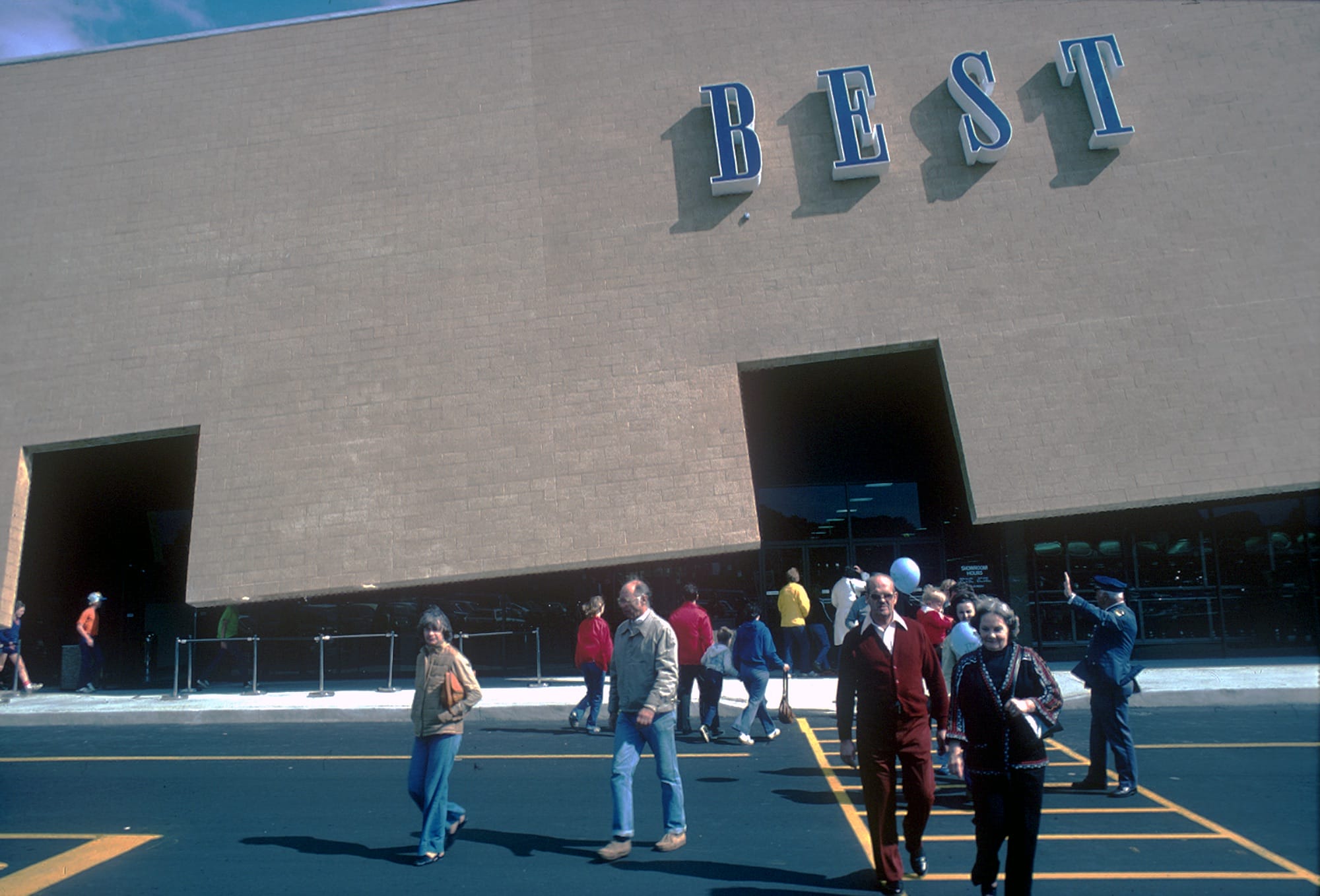
Now published by Skira, What Else Could It Mean? features an extensive collection of projects from SITE, including its most recognized designs for BEST Products Company, a major retail brand in operation for over forty years. The visionary owners, Sydney and Frances Lewis, commissioned Wines to create uniquely designed showrooms, which featured structures that appeared to tilt or fracture, defying architectural norms.
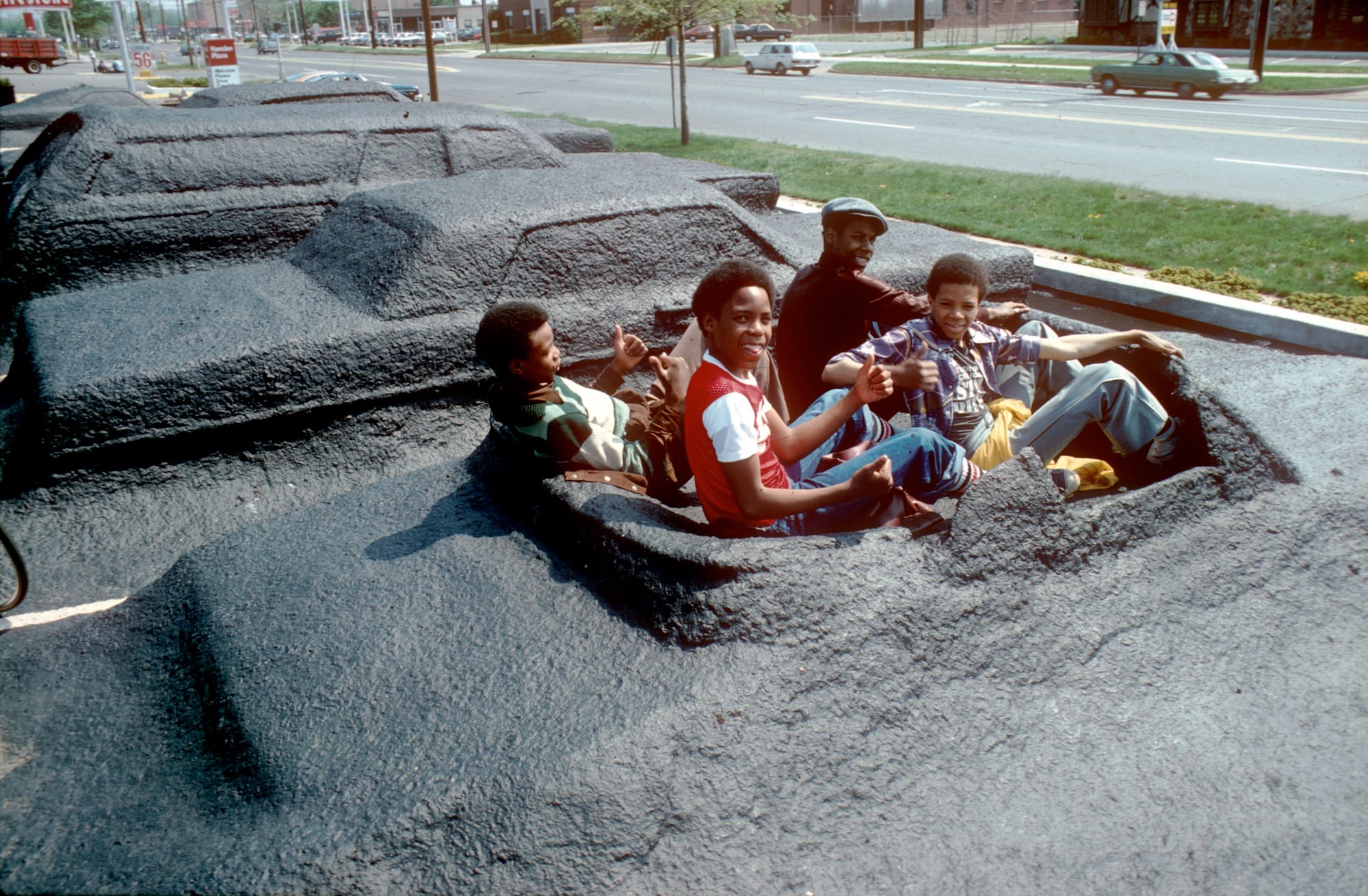
The designs for BEST serve as a microcosm of SITE’s broader critique of commercialism. One of the studio’s significant public art projects, “Ghost Parking Lot,” in Hamden, Connecticut, involved burying twenty cars beneath asphalt, turning them into haunting symbols of consumerism and urban expansion.
Archival Insights and Contemporary Relevance
What Else Could It Mean? compiles a wealth of Wines’ sketches, designs, and writings from over five decades, pairing them with archival photos of completed projects. The philosophies that underpin SITE’s work resonate powerfully today, advancing a narrative that seeks to democratize art and architecture and encouraging collective engagement. In the book’s introduction, designer and curator Phillip Denny notes:
“These are works that engage their context, invite participation, and reward curiosity regardless of one’s background. It is art and architecture for the popular public that anyone can stop in front of, be surprised by, laugh at, and think about without a guidebook. Often ironic but never cynical, always generous and ecumenical, SITE created art where people least expected to find it, in the ‘junk-culture world of the commercial strip and suburban sprawl.’”
Availability and Future Exploration
To delve deeper into Wines’ world and the works produced by SITE, What Else Could It Mean? is available for purchase on Bookshop. Additional information about SITE’s projects can be found on their official website.

Chief Editor of Quincy City Beat — Quincy, MA's independent investigative newspaper covering Greater Boston and the entire Commonwealth of Massachusetts with fearless public accountability and free access for all readers.









Discussion about this post