

The Unique Evolution of Live Birth in Mammals
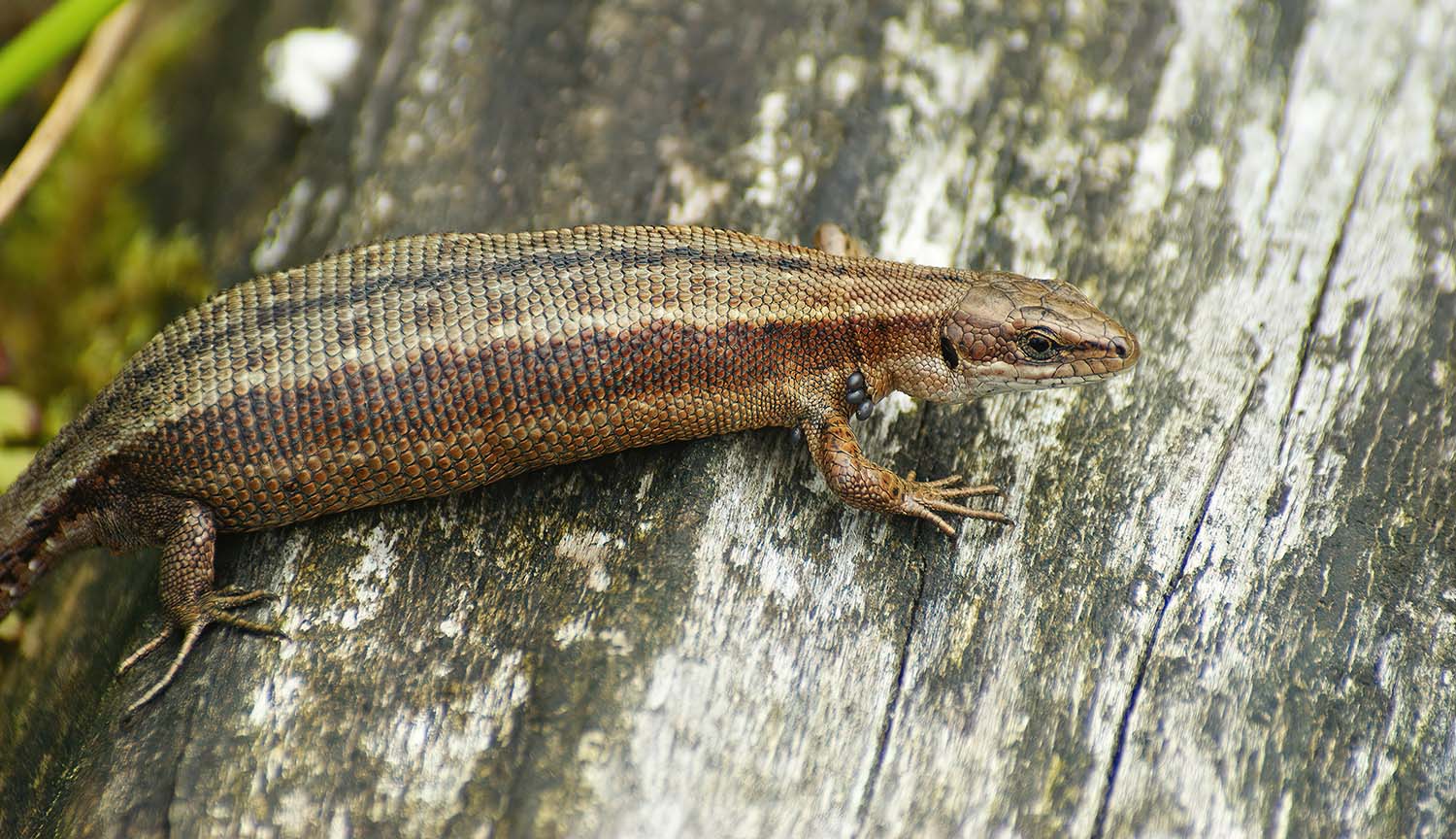
Recent studies reveal that the transition to live birth in mammals is a singular evolutionary event, contrasting sharply with lizards and snakes, who have made this shift multiple times. This raises intriguing questions about the biological drivers behind such a significant reproductive change and the processes involved in orchestrating it.
The Distinction Between Mammals and Reptiles
Mammals are the only group of animals known to have transitioned to live birthing through a singular evolutionary pathway, while reptiles such as lizards and snakes have independently adapted to this reproductive strategy several times throughout their evolutionary history. This difference prompts an investigation into the environmental and genetic factors that enabled mammals to adopt this method of reproduction.
Understanding the Evolutionary Mechanisms
Researchers are now exploring the conditions that favored live birth in mammals, focusing on genetic, hormonal, and physiological adaptations. Various hypotheses suggest that changes in environmental conditions, maternal investment strategies, and survival rates of offspring may have played crucial roles in this significant evolutionary leap.
Implications for Future Research
This unique evolution of live birth in mammals not only highlights the complexities of reproductive strategies across species but also opens avenues for further research into developmental biology and evolutionary genetics. Understanding the mechanisms that facilitated this transition in mammals could also yield insights into current reproductive challenges in modern species.

Chief Editor of Quincy City Beat — Quincy, MA's independent investigative newspaper covering Greater Boston and the entire Commonwealth of Massachusetts with fearless public accountability and free access for all readers.









Discussion about this post