

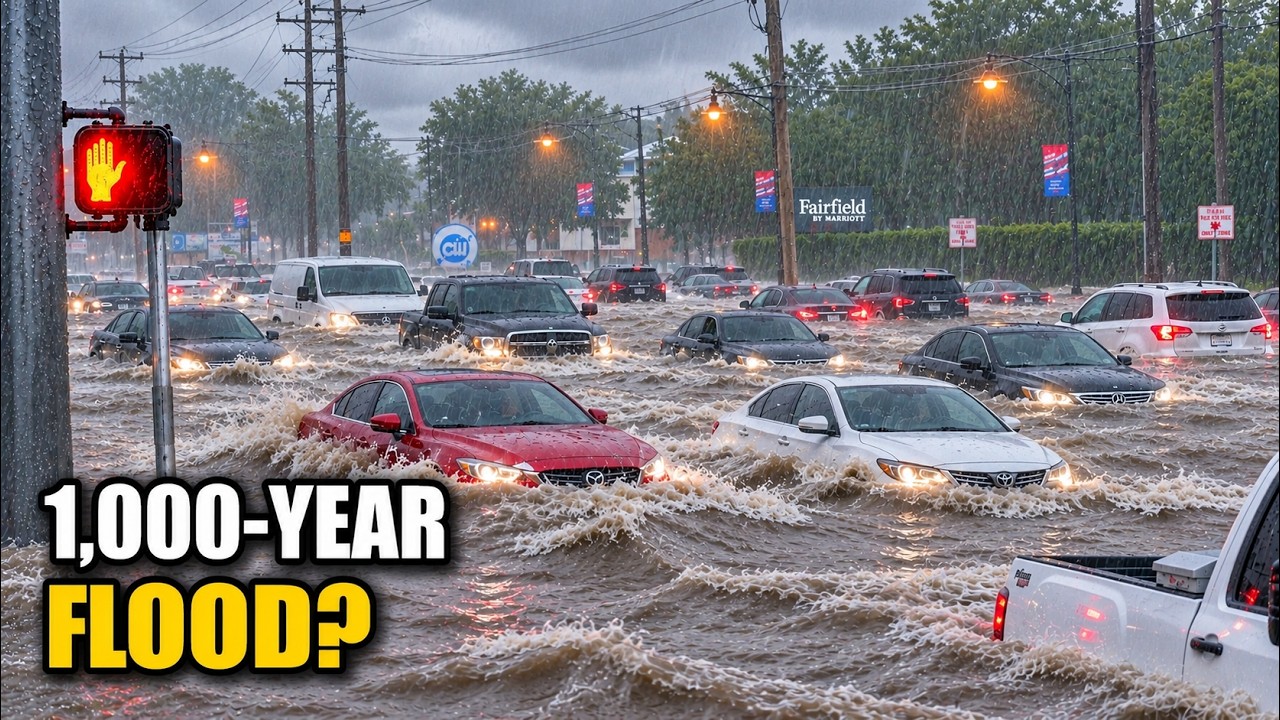
Severe Weather Events Strike Multiple States Amid Growing Concerns
Destructive flooding has impacted Arizona and Colorado, while Florida is currently grappling with record rainfall and swelling rivers. The Pacific Northwest is bracing for another deluge as an atmospheric river approaches, intensifying weather challenges across the nation.
On October 29, Florida’s Space Coast reached its highest non-tropical water levels since 1994, attributed to king tides and relentless onshore winds that have pushed water inland. In light of these conditions, the National Oceanic and Atmospheric Administration (NOAA) has indicated the likelihood of persistent El Niño conditions throughout the winter months, amplifying worries for regions already experiencing extreme rainfall.
Furthermore, the Federal Emergency Management Agency (FEMA) has reported a significant decline in its workforce, losing over 4,300 employees during the fiscal year 2025. This reduction has left the agency’s available surge personnel for the forthcoming 2026 hurricane season plummeting from approximately 600 to a mere 240. As a result, communities are confronting flooded homes, compromised infrastructure, and escalated evacuation expenses, all while dealing with rising costs for essential supplies.
The combination of severe weather and diminished resources raises critical concerns about the nation’s ability to effectively respond to disasters.

Chief Editor of Quincy City Beat — Quincy, MA's independent investigative newspaper covering Greater Boston and the entire Commonwealth of Massachusetts with fearless public accountability and free access for all readers.









Discussion about this post