

March to Begin with a Winter Chill
As the month draws to a close, the transition to March is imminent, bringing with it a mix of anticipation and trepidation regarding the weather.
March is often celebrated for heralding the end of winter, with the promise of visible grass returning. Although some years witness fluctuating conditions, a revealing of lawns typically occurs, allowing for a clearer view of winter’s impact.
This month, early blooms from crocuses and daffodils are expected, alongside the vibrant presence of red-winged blackbirds and other songbirds as they resume their morning melodies.
Increased Daylight Hours
March is noted for substantial increases in daylight, starting with 11 hours and 14 minutes and extending to 12 hours and 40 minutes by the end of the month. Daylight saving time takes effect on March 8, with the official commencement of astronomical spring occurring on March 20.
Historical data indicates that some years experience the final freeze in Boston on St. Patrick’s Day, although for many, the prospect of non-freezing temperatures still feels far off.
March: ‘In Like a Lion’?
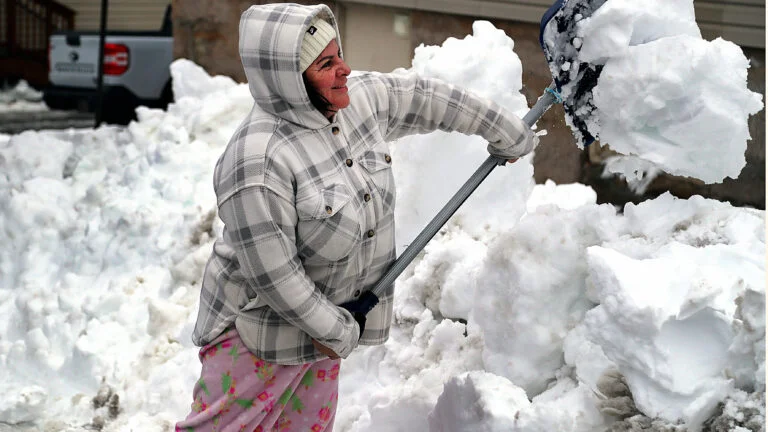
This year, the beginning of March is expected to be marked by cold temperatures. The polar vortex, which typically contains frigid air within the Arctic, may allow a significant chill to penetrate southward, suggesting that March will indeed start with winter-like conditions.
A potential storm system is anticipated for the first week of March, influenced by the prevailing Arctic air and moisture moving in from the south. While predictions regarding the specifics of any storm are challenging at this range, there is a notable chance of further snowfall.
Typically, the majority of March’s snowfall occurs before the 20th, but accumulations can happen anytime. The average snowfall for the month hovers around 9 inches, although variability is common.
So far, this winter has delivered a striking 60 inches of snow in Boston, marking it as the snowiest season since 2021-22. Other locales, particularly Providence, are tracking totals reminiscent of the infamous winter of 2014-15.
The Rest of March
Encouragingly, projections for the second week of March indicate a likely influx of milder air, which could significantly reduce snowpack levels. If conditions permit, Boston may finally reach temperatures above 60 degrees, a milestone not seen since November 26, 2022.
Looking beyond the second week, forecasts suggest a continued tendency for above-average temperatures. Although fluctuations are inevitable, the upcoming weeks appear positively tilted toward a gradual warming trend.
The consistent cold and snowfall experienced this winter have become an enduring memory, making the forthcoming arrival of spring all the more cherished. However, as March approaches, the month will deliver its own unique mix of expectations and surprises. Residents are advised to prepare for an unpredictable but hopeful transition ahead.
Sign up for the Today newsletter
Get everything you need to know to start your day, delivered right to your inbox every morning.

Chief Editor of Quincy City Beat — Quincy, MA's independent investigative newspaper covering Greater Boston and the entire Commonwealth of Massachusetts with fearless public accountability and free access for all readers.








Discussion about this post