

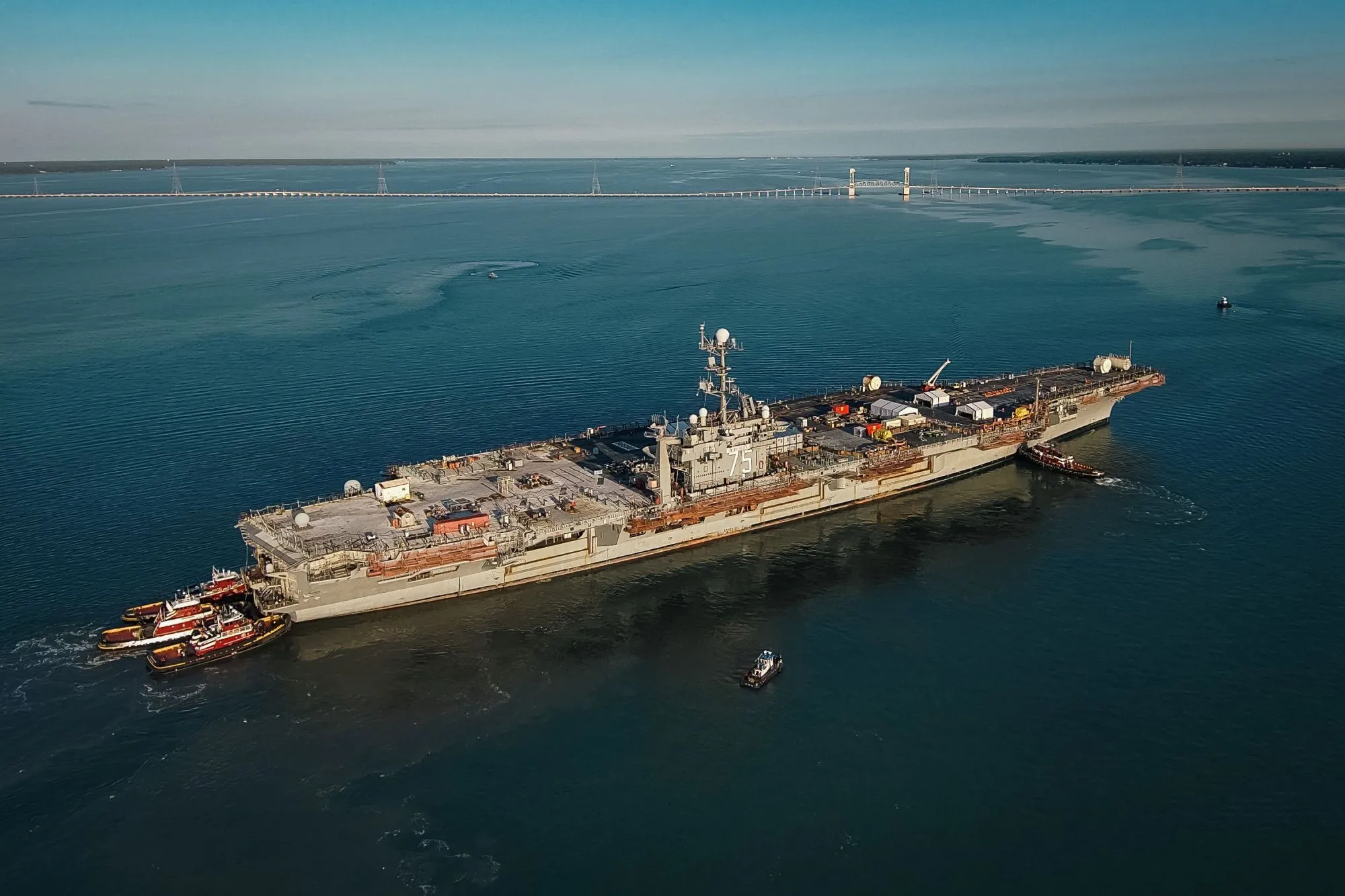
USS Harry S. Truman Undergoes Significant Overhaul at Newport News Shipbuilding
Carrier Operational Status – As of March 2026, the USS Gerald R. Ford has been deployed for nine months without a fixed return date, while the USS Abraham Lincoln has been actively participating in operations against Iran since November 2025. The USS George H.W. Bush recently completed its training and is set to take over for the Ford. The increasing operational demands have intensified as several other naval assets remain docked.
A legislative mandate established in 2007 ensures that the Navy maintains a minimum fleet of 11 aircraft carriers. During the recent assessment by Stars and Stripes, it was noted that four carriers were undergoing maintenance: USS John C. Stennis in overhaul, USS Dwight D. Eisenhower and USS Ronald Reagan in scheduled availability, and USS Harry S. Truman, which is positioned for its imminent overhaul. USS Nimitz is slated for retirement in 2026, with USS John F. Kennedy set to be commissioned by March 2027.
Delay Trends in Navy Maintenance
In August 2020, the Government Accountability Office (GAO) released a comprehensive report analyzing carrier and submarine maintenance from fiscal years 2015 to 2019. The findings revealed that out of 51 maintenance periods, 38 experienced significant delays, totaling 7,424 days. Carriers accounted for 1,128 days of delays across 10 out of 18 total periods, averaging 113 days per period. Submarines faced even greater issues, showing delays in 28 out of 33 periods, averaging 225 days.
GAO detailed the root causes for these delays, attributing at least 4,100 days to unplanned work and over 4,000 days to workforce shortages. The Navy’s resource day estimations fell short by 36%, while planned tasks surpassed the operational capacity by 23%. Overtime was rampant, peaking at 45% in crucial work areas. The Navy accepted all three of GAO’s recommendations, although no new figures specific to carriers have been released since fiscal year 2019.
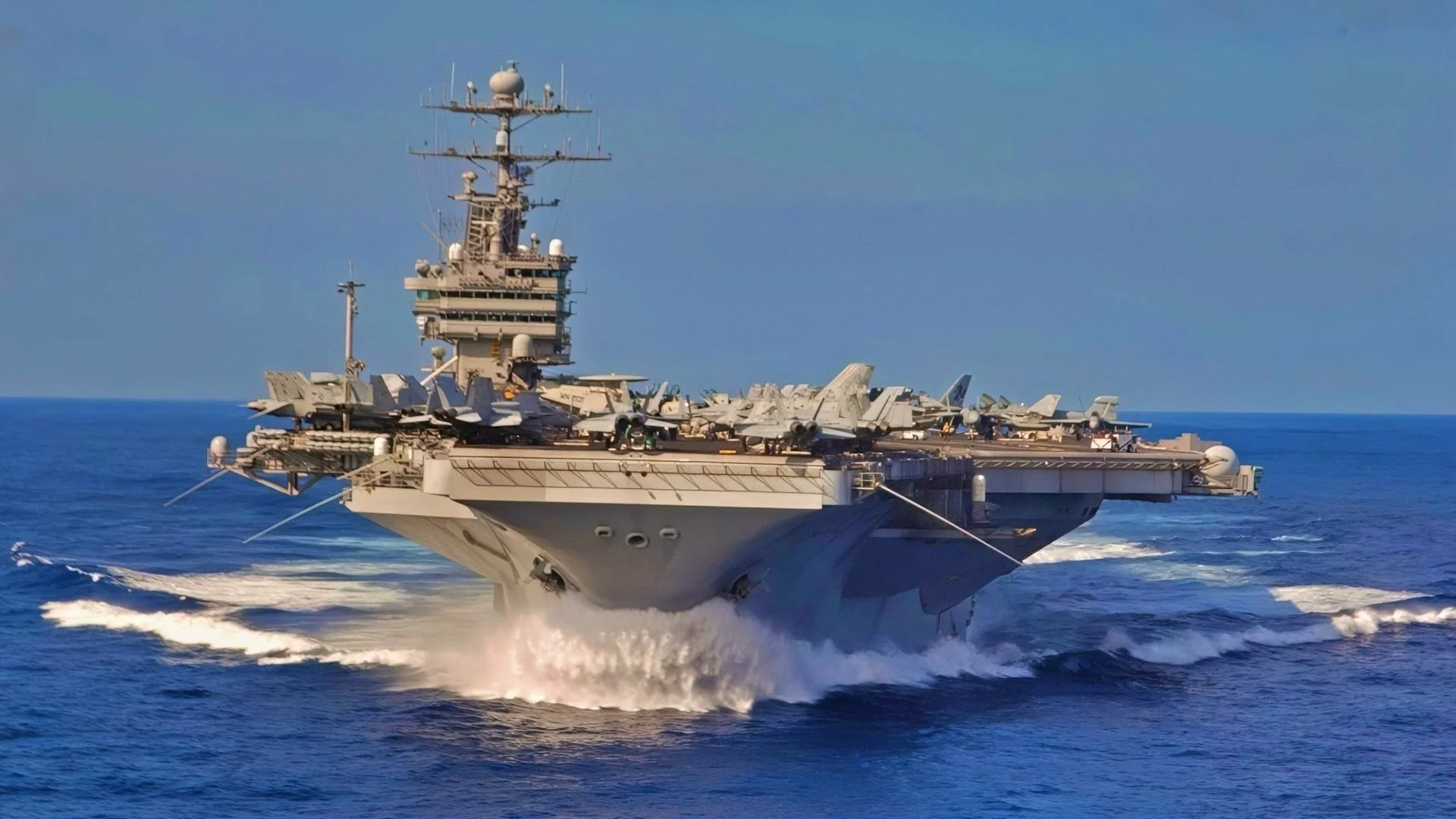
USS John C. Stennis Encountering Extended Downtime
The latest update involves the USS John C. Stennis, whose refueling and complex overhaul has seen delays, with redelivery now projected for October 2026, pushing back the date by nearly 14 months and extending the overall downtime to five and a half years. Rear Adm. Casey Moton indicated that workforce and material shortages contributed to these delays, which were exacerbated by the restrictions imposed due to the COVID-19 pandemic. Additionally, mandatory growth work identified after ship condition assessments contributed to further setbacks.
The same report allocated funds for crew housing and off-ship apartments, underscoring the persistent issues that have hindered maintenance efficiency. The factors identified by GAO in 2020 have reappeared in the Navy’s explanations for these delays.
Challenges Beyond Aircraft Carriers
A December 2025 report from the Congressional Budget Office (CBO) examined maintenance delays among destroyers and amphibious vessels, excluding nuclear-powered ships. Notably, overhauls for DDG-51 destroyers since fiscal 2010 have taken 26% longer than scheduled. The CBO projections indicate that these vessels will spend an average of nine years out of commission for maintenance, significantly exceeding the Navy’s previous estimates.
Comparative Analysis with the Chinese Navy
Contrastingly, public information regarding China’s three aircraft carriers primarily relies on satellite imagery and external reports, lacking in official publications. The maintenance locale has shifted as the Shandong entered dry dock at Yulin Naval Base on Hainan on January 20, 2026. This marks the first major maintenance activity of a Chinese carrier conducted outside Dalian.
The recently commissioned Fujian left Yulin on December 14, 2025, transiting the Taiwan Strait shortly thereafter for presumed maintenance activities, while the Liaoning underwent refitting at Dalian from August 2018 to January 2019. Unlike their American counterparts, all three Chinese carriers are conventionally powered and do not require extensive refueling overhauls like those that have plagued Stennis.
A Tale of Two Navies
The contrast in transparency is notable; one navy’s maintenance delays are publicly audited and documented, while the other operates without published schedules, making external assessments of their performance challenging. Observers can only track arrivals and departures from dry docks.
Sources: GAO-20-588, Navy Shipyards (August 2020); USNI News, 18 June 2024 (Stennis overhaul); Stars and Stripes, 9 March 2026 (carrier status); CBO, Navy Ship Maintenance (December 2025), and USNI News summary, 11 December 2025; The Defense News, 20 June 2026 (Shandong imagery); Janes (Shandong at Yulin); Maritime Foundation of India brief, 6 February 2026 (Yulin docks); USNI News, 17 December 2025 and 22 June 2026 (Fujian, Liaoning); Wikipedia (propulsion, Liaoning refit).

Chief Editor of Quincy City Beat — Quincy, MA's independent investigative newspaper covering Greater Boston and the entire Commonwealth of Massachusetts with fearless public accountability and free access for all readers.










Discussion about this post