

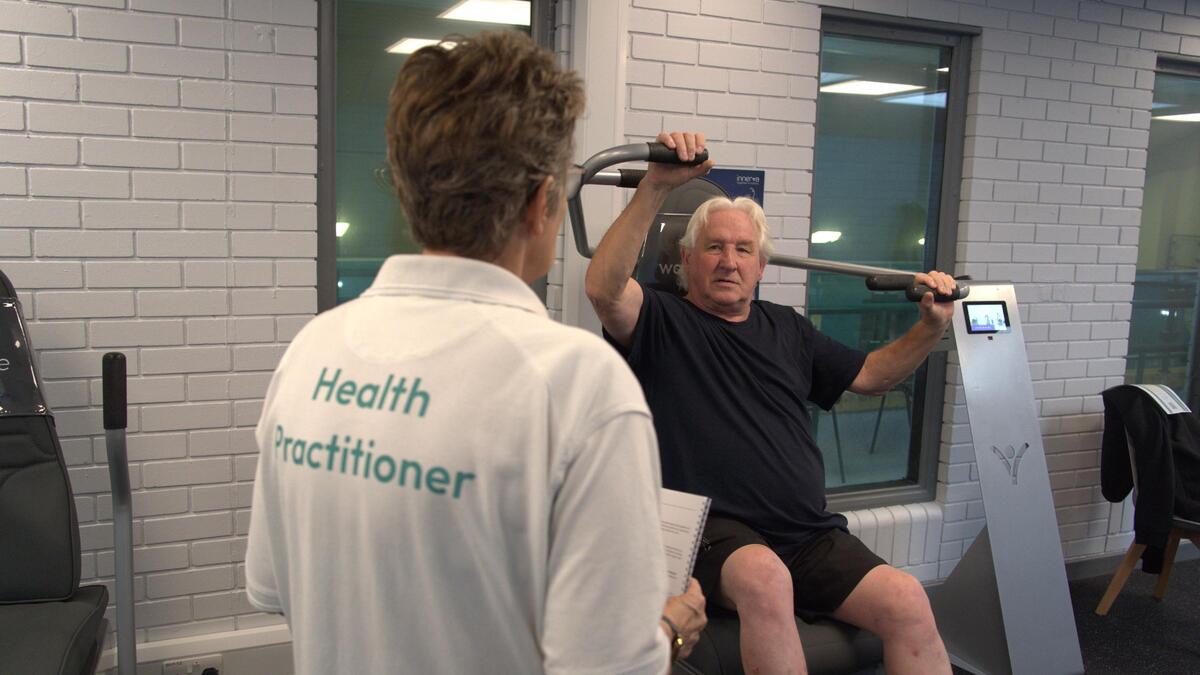
New Government Response Enhances Health Partnerships for Fitness Sector
Fitness and leisure organizations are now better positioned to establish health partnerships following the government’s recent response to a parliamentary inquiry focused on physical activity and healthy ageing. This response, published on October 22, acknowledges the essential role of the sector in preventive health while placing significant responsibilities on local health commissioners.
Key Findings from the Health and Social Care Committee
This governmental response stems from the Health and Social Care Committee’s report in May titled Healthy Ageing: Physical Activity in an Ageing Society. The report concluded that physical activity is often treated as an “optional extra” within health and social care systems, despite substantial evidence highlighting its advantages. In light of this, MPs advocated for the better utilization of leisure facilities, the engagement of qualified activity professionals, enhanced social prescribing, and uniform commissioning of exercise programs.
Concerns About Frailty and Exercise Recommendations
Frailty emerged as a critical issue during the inquiry. Testimonies indicated that resistance training is crucial for both preventing and reversing frailty conditions, although the availability of such programs varies significantly. Reports submitted to lawmakers revealed that only 5% of Integrated Care Boards and 15% of local authorities had invested in Falls Management Exercise initiatives. Additionally, short funding cycles have been noted as obstacles to staffing and program consistency.
MPs emphasized that exercise programs must align with evidence-based intensity and duration. They also challenged assumptions that older adults should engage only in low-impact activities, stressing the vital need for strength and balance training.
Government Initiatives and Future Directions
In response, the government outlined that Integrated Care Boards should collaborate with local entities, including physical activity providers. A modern service framework addressing frailty and dementia is expected by the end of 2026. Furthermore, the MSK Physical Activity Hubs program is projected to serve more than 34,000 individuals across 144 hubs from August 2026 through March 2028.
Opportunities for Fitness Operators
This landscape presents fitness operators with practical opportunities to engage local health commissioners through well-defined service proposals. These proposals should detail target demographics, referral processes, staff qualifications, and progress measurement methodologies.
Potential offerings may include strength and balance programs, aid for individuals with musculoskeletal conditions, and pathways leading from rehabilitation into long-term physical activity. Building alliances with physiotherapists, primary care teams, and social prescribing link workers could enable operators to better identify and address gaps in local health provisions.
Encouraging Participation from the Community
Operators must also contemplate how to attract individuals who may lack confidence or previous gym experience. Implementing accessible inductions, affordable entry options, and social support systems, along with clear progression pathways, could significantly increase the likelihood that new referrals develop into lasting fitness habits.
Understanding Government Limitations and Industry Needs
While the government has made strides, its commitments remain limited. The response does not guarantee a national framework for leisure-based interventions as requested and has ruled out a new national training program for social care workers. There are also no immediate plans to introduce additional activity standards for social care environments.
Consequently, the commercial potential for fitness operators will heavily rely on establishing local relationships and demonstrating capability in delivery. It is essential for operators to clarify the nature of proposed partnerships, whether they involve funded services, subsidized access, or referrals, and to delineate responsibilities prior to allocating resources.
Turning Recognition into Action
The industry’s strongest approach would be to transform acknowledgment into actionable proposals featuring credible cost estimates and measurable outcomes. Demonstrating improved functionality, sustained engagement, and successful outreach to underserved populations will strengthen operators’ cases for long-term funding commitments.
Chief Editor of Quincy City Beat — Quincy, MA's independent investigative newspaper covering Greater Boston and the entire Commonwealth of Massachusetts with fearless public accountability and free access for all readers.









Discussion about this post