

Mental Health, Firearm Safety, and Seniors: A Growing Concern
If you or someone you know may be experiencing a mental health crisis, contact the 988 Suicide & Crisis Lifeline by dialing or texting “988.”
A retired health administrator, aged 72, living alone near Seattle, became a focal point in a significant study on firearm safety among older adults. Laura Prater, a firearms researcher at Ohio State University, conducted an interview with him via Zoom, revealing alarming insights into firearm access and mental health issues among seniors.
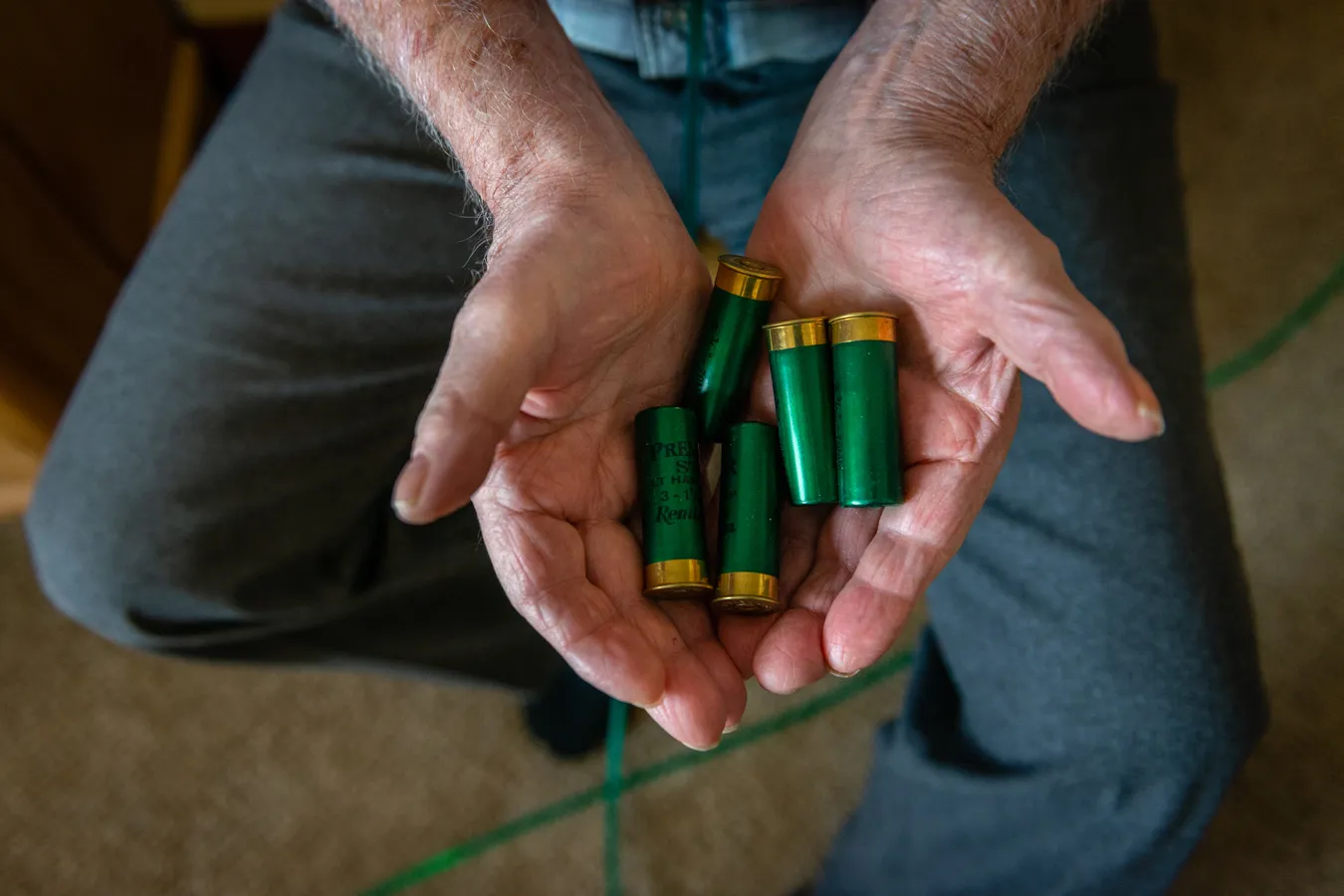
During the conversation, which included a questionnaire indicating mild cognitive impairment—a condition often linked to dementia—and a depression diagnosis, Prater inquired about the presence of firearms in his home. To her surprise, he admitted to owning a shotgun and a newly acquired .45-caliber pistol. He had kept the pistol loaded in his nightstand drawer and propped the shotgun next to his bed, illustrating a concerning blend of accessibility and vulnerability.
The Intersection of Aging, Firearms, and Mental Health
Prater expressed her concern: “It was alarming, but not uncommon.” Public health experts have long observed the growing risks associated with older adults who have access to firearms, particularly as dementia diagnoses become more prevalent. Research suggests that one-third of individuals with dementia reside in homes with firearms.
Convincing older adults to surrender their guns can often be met with resistance. Many owners feel a strong need for protection, which they see as an integral part of their identity as protectors. Kelsey Conrick, who works at the Center for Firearm Injury Prevention at the University of Washington, indicated that this emotional attachment complicates safety discussions.
Implementing Harm-Reduction Strategies
The harm-reduction approach offers a more productive way to address the situation. This strategy focuses on having open discussions about the risks, emphasizing safe firearm storage practices, and providing free devices like trigger locks and lockboxes. Lena Makaroun, a geriatrician with the University of Pittsburgh, highlighted the critical need to address firearm safety, noting that 8,226 Americans aged 65 and older died from gun-related incidents in 2024—an average of nearly 23 fatalities daily.
While the overall firearm death rate for seniors isn’t significantly higher than that of the general population, it is important to note that over 90% of firearm-related deaths in older adults are due to suicide. This statistic underscores the urgency for interventions, particularly as research expands to include older adults experiencing cognitive decline without an official dementia diagnosis.
Early Intervention and Awareness
In a survey conducted across seven states, one-third of older adults with subjective cognitive decline reported having firearms at home, with many failing to store them securely. Such situations amplify the risk of unintentional firearm discharges and potential harm to self or others, including family members and caregivers. Conrick mentioned, “These individuals could be at a heightened risk for suicide or accidental shooting.”
This vulnerability necessitates proactive discussions between healthcare providers and patients regarding firearm access and secure storage. Makaroun, alongside her colleagues, proposed incorporating firearm safety conversations into routine annual Medicare wellness visits, reaching around 60% of beneficiaries and emphasizing safety and preventative care.
The Challenges of Addressing Gun Safety
The attachment older adults have to firearms can be profound, often fueled by a growing sense of vulnerability as they age. Marian Betz, an emergency physician and director of the Firearm Injury Prevention Initiative at the University of Colorado Anschutz, noted that for many, firearms symbolize safety amidst fears of victimization. However, studies have shown that having a gun in the home increases the risk of suicides and accidental injuries without any credible evidence to suggest it deters crime.
In a concerning revelation, a 2020 study found that only about 5% of caregivers for individuals with dementia had ever been engaged in discussions regarding firearm safety by healthcare professionals. This oversight can stem from misconceptions that admitting to conditions such as depression or dementia might lead to confiscation of firearms—a consequence that only applies under extreme circumstances in some states.
Community and Family Engagement
Caregivers often face the challenge of addressing firearm safety with their older relatives, particularly when concerns about recklessness arise. Many express fear of damaging relationships if they attempt to persuade seniors to secure or relinquish firearms. Chris Knoepke, a health services researcher, noted that caregivers worry about potential conflict alienating them from those they care for as they navigate other significant changes in their lives.
To aid healthcare professionals and families, researchers are actively developing resources. Prater’s team is producing guidance videos for clinicians on safe storage discussions, while Conrick’s “Pathways 2 Safety” initiative has provided over a thousand locking devices since March, aimed at integrating firearm safety discussions into healthcare settings. Additionally, the University of Colorado has created online tools to assist caregivers in preparing for decision-making around firearm safety.
A Call for Action and Awareness
These initiatives are critical as they highlight the need for firearm safety conversations to become an integral aspect of healthcare for older adults. The tragic case of a patient who succumbed to a self-inflicted gunshot wound amidst a battle with cognitive impairment underscores the potential dangers if these discussions go unaddressed. Proper intervention and community support are essential in safeguarding vulnerable populations.
Efforts to incorporate firearm safety into healthcare discussions can create a non-political platform that resonates with many firearm owners committed to safety, thus fostering an environment where difficult conversations can occur without confrontations. Makaroun emphasized, “That’s something we can all get behind.”
The New Old Age is produced through a partnership with The New York Times.

Chief Editor of Quincy City Beat — Quincy, MA's independent investigative newspaper covering Greater Boston and the entire Commonwealth of Massachusetts with fearless public accountability and free access for all readers.









Discussion about this post