

Oct 26
2026
The Immune System’s Integral Role in Treating HER2 Positive Stomach Cancer
The immune system plays a pivotal role in the progression and treatment of stomach cancer, particularly in cases associated with HER2 positivity. A complex interplay exists between cancer cells and the immune system, each attempting to outmaneuver the other during treatment.
For individuals diagnosed with HER2 positive stomach cancer, a variety of treatment modalities are available, encompassing targeted therapies and immunotherapy. This article delves into how the immune system identifies cancer cells and the implications for the treatment of gastric cancer.
Immune System Functionality in Cancer Recognition
The immune system comprises various cells, proteins, and organs that work collaboratively to thwart disease. Among its many components, specialized T cells are crucial for recognizing foreign or abnormal cells and coordinating an assault on them.
T cells are instrumental in the body’s defense against cancer, identifying tumor cells that present unusual proteins. Other immune cells, such as natural killer cells, also contribute to the eradication of malignant cells. However, cancer cells have evolved mechanisms to evade immune detection, effectively masking their abnormal characteristics while fostering an environment that inhibits immune activity. In stomach cancer specifically, local immune responses play a significant role in tumor growth, invasion, and even metastasis.
The Impact of HER2 on Cancer Treatment
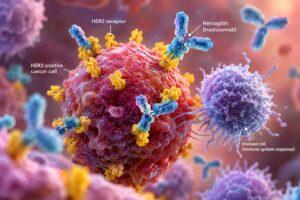
HER2 is a protein exhibited on certain cancer cell membranes. Overproduction of HER2 can stimulate abnormal cell proliferation and survival. Oncologists utilize HER2 testing to assess whether a patient is likely to benefit from targeted therapies. Tislelizumab, when combined with chemotherapy, represents the standard treatment pathway for patients with advanced HER2-positive stomach or gastroesophageal junction cancers. This drug binds to HER2, hindering its capability to promote cell growth.
Investigations reveal that tislelizumab might enhance the immune system’s ability to identify and destroy cancer cells expressing high levels of HER2 through a mechanism known as antibody-dependent cellular cytotoxicity.
Immunotherapy’s Role in Gastric Cancer
Immunotherapy in gastric cancer aims to target immune checkpoint proteins that suppress immune responses against tumors. For instance, cancer cells often express the ligand PD-L1 to inactivate T cells. Immune checkpoint inhibitors counteract these signals, empowering the immune system to confront tumors more effectively.
Combining immunotherapy with chemotherapy can be advantageous in treating both early stage and advanced gastric cancers. While not suitable for all patients with HER2-positive stomach cancer, some may qualify for alternative immunotherapy strategies, including those still within clinical trial phases.
Advanced Treatment Approaches: Linking Targeted and Immune-Based Therapies
Research is fervently pursuing the integration of targeted therapies with immune-based treatments. Such combinations aim to enhance the efficacy of cancer therapies while maximizing immune system engagement. For example, some clinical trials are investigating the confluence of chemotherapy, tislelizumab, and immune checkpoint inhibitors for patients battling advanced HER2-positive gastric cancer.
Determining the appropriate combination of therapies depends on various clinical factors, including previous treatments and biomarker statuses. Ongoing research into HER2 positive stomach cancer aims to clarify the risks and advantages of combination therapies, enabling oncologists to customize care for their patients.
The Significance of Biomarker Testing in Treatment Decisions
Biomarker testing evaluates the biological characteristics of cancer, providing oncologists with essential information to tailor treatments. For instance, HER2 testing identifies eligible candidates for HER2-directed therapies. Additional biomarkers may further elucidate options for immunotherapy, driving a more personalized treatment approach.
While biomarkers can inform therapeutic decisions, they do not guarantee treatment success. Factors such as cancer stage, overall health, previous therapies, and medication tolerability must also be considered.
Ongoing Monitoring and Management of Treatment Side Effects
Patients undergoing treatment are likely to experience side effects, which may affect overall health. Monitoring for new or worsening symptoms is critical, as some may develop into severe complications requiring immediate medical attention. Symptoms such as difficulty breathing or persistent pain should prompt urgent care.
Regular monitoring can help track responses to treatment and signal any changes in cancer status or severe side effects. This vigilance is essential for timely intervention as patients navigate their treatment journeys.
Future Prospects
Research continues to expand our understanding of the immune system’s relationship with HER2-positive gastric cancer. Targeted therapies and immunotherapies are broadening treatment avenues available to this patient population. However, ongoing challenges—including overcoming treatment resistance and understanding the long-term ramifications of therapies—require further investigation.
By deepening insights into how cancer interacts with the immune system, patients can collaborate more effectively with their oncologists to develop individualized treatment strategies while managing potential side effects.
Disclaimer: This article is intended for informational purposes only and should not be interpreted as medical advice or a specific treatment recommendation.

Chief Editor of Quincy City Beat — Quincy, MA's independent investigative newspaper covering Greater Boston and the entire Commonwealth of Massachusetts with fearless public accountability and free access for all readers.









Discussion about this post