

Red Barn: A Look Back at a Fast-Food Pioneer
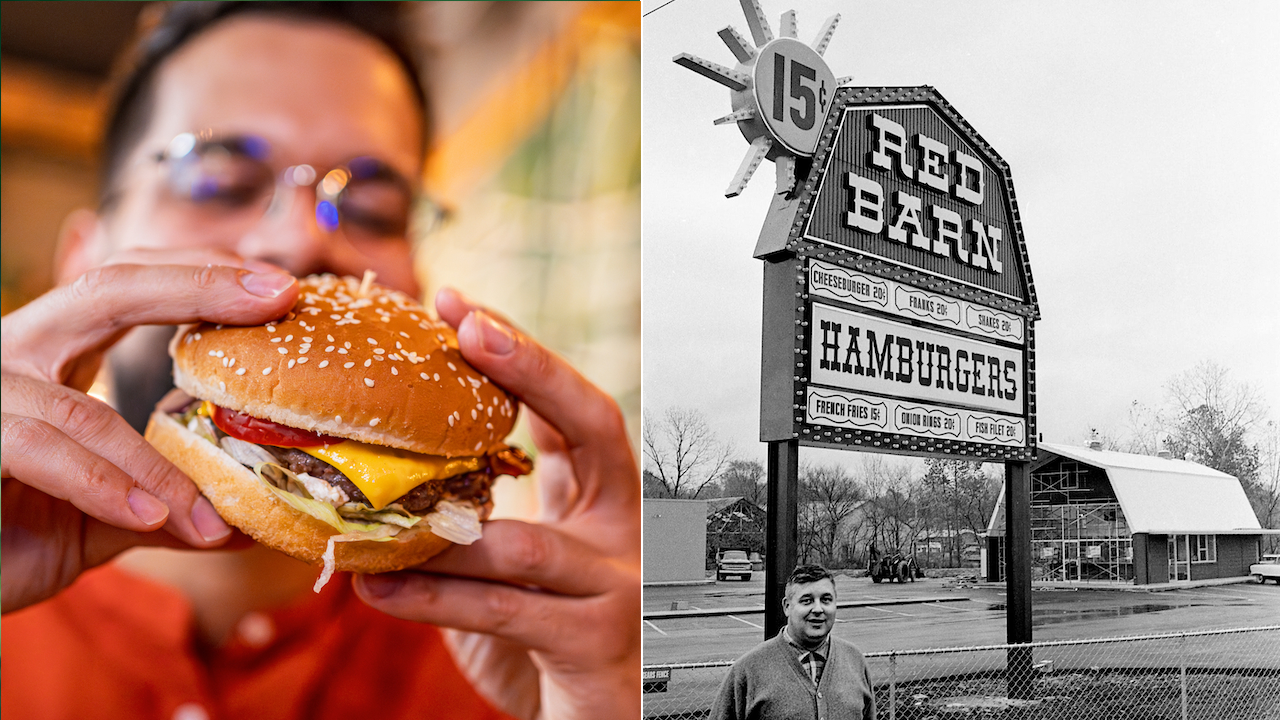
With its distinctive barn-shaped architecture and a menu featuring classic American dishes such as burgers and fried chicken, the Red Barn chain played a pioneering role in the fast-food industry. Founded in 1961 by Don Six, Martin Levine, and Jim Kirst, Red Barn expanded to between 300 and 400 locations before ultimately shutting down its last franchises in 1988.
The Origins of Red Barn
The first Red Barn restaurant opened in Ohio, although there is some debate regarding whether Columbus or Springfield claims this honor. Ohio has long been recognized as a significant contributor to the fast-food landscape in America.
“Ohio is iconic for being home to several notable fast-food brands,” said Capri Cafaro, managing director of America the Bountiful Media. She pointed out that Wendy’s, also established in Columbus, was among the earliest chains to introduce a drive-thru service and is known for its unique square hamburger patties.
The Unique Appeal of Red Barn
The architecture of Red Barn restaurants, characterized by their barn-like structures, became synonymous with the brand. Cafaro emphasized the importance of matching the aesthetic of these buildings with the company’s offerings to create a relatable marketing strategy. “This kind of iconic material culture was prevalent not only in Red Barn but also in other fast-food establishments such as Pizza Hut,” she added.
Throughout its operational years, Red Barn offered a variety of comfort foods including hamburgers, fried chicken, and fish sandwiches. Its signature double-decker burger, known as the Big Barney, was notably similar to McDonald’s Big Mac and actually predates it, having been introduced prior to 1968.
Nostalgia and Market Strategies
To attract customers, Red Barn employed food-themed mascots like Hamburger Hungry and Chicken Hungry, alongside a catchy jingle: “When the hungries hit, hit the Red Barn.” The chain also featured a self-serve salad bar, which may have positioned it ahead of its competitors for a period.
At its peak, Red Barn operated approximately 300 to 400 locations across 19 U.S. states, Canada, and Australia. Unfortunately, the chain filed for bankruptcy in 1986, with the final 22 locations closing their doors in 1988.
Legacy and Nostalgic Rebirth
Although the brand has faded from the fast-food scene, some of its original structures have been repurposed as independent restaurants, retaining the barn-like charm that characterized Red Barn. One notable example, The Farm in Racine, Wisconsin, was a tribute to the original chain until it closed in 2020.
A Facebook group titled “I remember The Red Barn Restaurants” boasts over 9,000 members who share fond memories and nostalgic images, emphasizing the emotional connection many still have with the brand. Cafaro reflected, “Red Barn evokes nostalgia for those who grew up with it. It serves as a reminder of how food can be intertwined with happy memories.”
While Red Barn may no longer exist in its original form, the lasting impact of its designated charm and menu items continue to resonate with former patrons.

Chief Editor of Quincy City Beat — Quincy, MA's independent investigative newspaper covering Greater Boston and the entire Commonwealth of Massachusetts with fearless public accountability and free access for all readers.










Discussion about this post