

Ranch Owners Face Legal Battle Over Stockwater Ponds
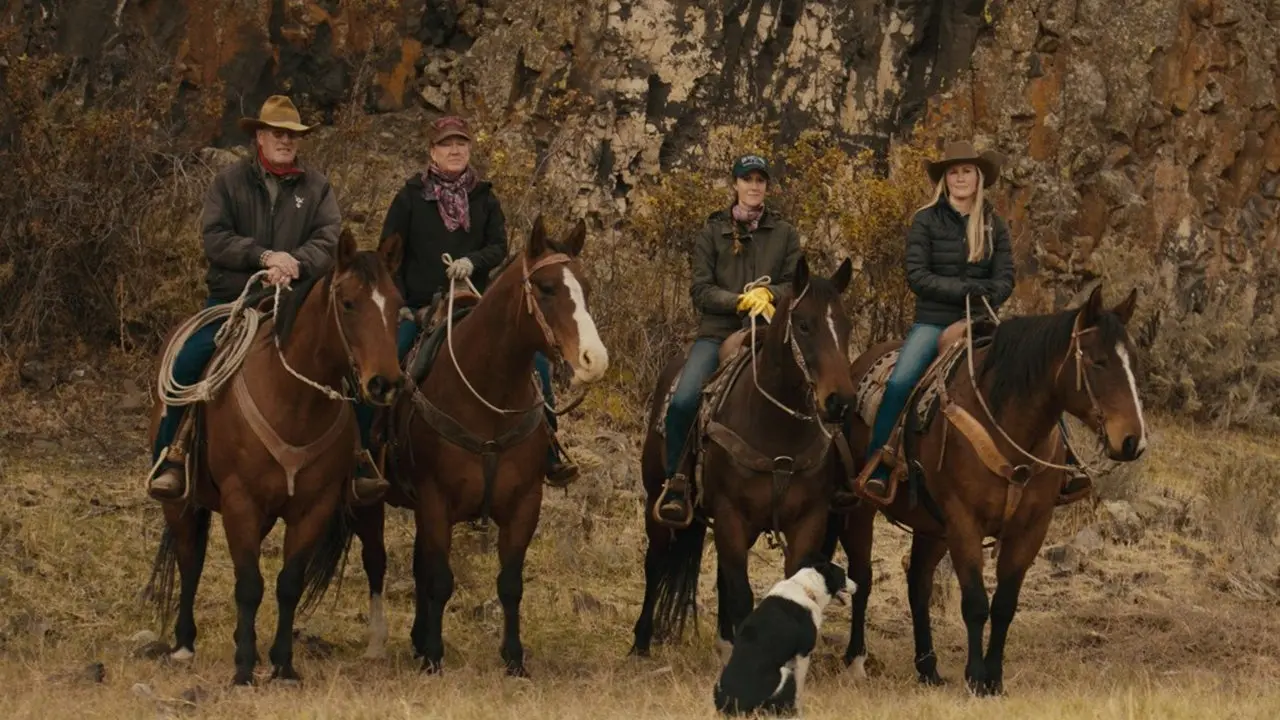
Owners of a long-established cattle ranch in Washington State are expressing grave concerns over a substantial fine imposed by the Washington State Department of Ecology, which they believe poses an “existential threat” to their operation and could set a troubling precedent for ranchers across the nation.
Fines and Allegations
Wade and Teresa King, operators of King Ranch located in Grant and Douglas counties, were fined $267,540 in 2023. The department alleges that the Kings disrupted regulated wetlands by excavating stockwater ponds intended for their livestock. The Kings maintain that these ponds have existed for years and do not qualify as regulated wetlands.
Impact on Rights and Livelihood
The Kings have urged that the implications of their case extend beyond financial concerns; they fear it threatens the rights of ranchers throughout the country. Wade stated, “Losing this fight would be an existential threat. I don’t know how we would recover from that.” They are adamant about taking their case to a jury trial, a right they believe is being denied to them.
Legal Proceedings Journey
Upon receiving the fines and orders for restoration, the Kings sought to contest these allegations. However, they were directed to address the matter through the Pollution Control Hearings Board (PCHB)—an administrative body that lacks the authority to conduct jury trials. In March, they initiated a separate lawsuit in Grant County Superior Court, arguing against this restriction. Nonetheless, a judge dismissed their suit, necessitating the completion of the administrative process before it could be reconsidered.
Potential Supreme Court Appeal
After their initial defeat, the Kings appealed the ruling, and a Washington Court of Appeals commissioner has temporarily halted the PCHB proceedings as they evaluate the necessity of a jury trial. Oliver Dunford, a senior attorney at the Pacific Legal Foundation who represents the Kings, indicated that they may elevate the case to the U.S. Supreme Court if they are unsuccessful in Washington. “If we prevail, it would have an enormous effect, certainly across the state of Washington, but hopefully across the country,” he said.
Financial and Practical Challenges
The long-term financial impact of the department’s orders could exceed $3.7 million, according to the Kings’ attorneys. Beyond the financial implications, both Wade and Teresa express skepticism about the feasibility of complying with the department’s directives, alleging that the areas in question were never wetlands. “It’ll be unachievable and it would just spin us in the ground financially,” Teresa stated.
Longstanding Family Legacy at Stake
The Kings fear that the outcome of this case could adversely affect not only their livelihood but also the future of their family’s ranching legacy. “It’s fourth generation, then we have fifth and sixth living and working on this ranch,” Teresa noted. “We just want to be left alone.” The couple has operated their ranch since the 1950s, and the potential for losing it weighs heavily on their family’s future.
Department’s Position and Evidence
The Washington State Department of Ecology asserts that its investigation found no evidence supporting the Kings’ claims, alleging damage to 23 naturally occurring wetlands. Officials stated that they utilized satellite images, aerial photographs, and historical records dating back to 1949 to substantiate their findings. They accused the Kings of harming 6.37 acres of wetlands through excavation and other activities and have purportedly sought to resolve these concerns without cooperation from the Kings.
Broader Implications for Ranchers
The Kings believe the outcome of their legal skirmish holds broader implications for ranchers statewide. In defending their rights, Teresa emphasizes, “It’s not just us. We are defending every rancher in the state of Washington’s exempt livestock water rights.” The Kings remain resolute in their quest to overturn the fines and restore clarity regarding land use regulations affecting ranchers across the nation.

Chief Editor of Quincy City Beat — Quincy, MA's independent investigative newspaper covering Greater Boston and the entire Commonwealth of Massachusetts with fearless public accountability and free access for all readers.









Discussion about this post