

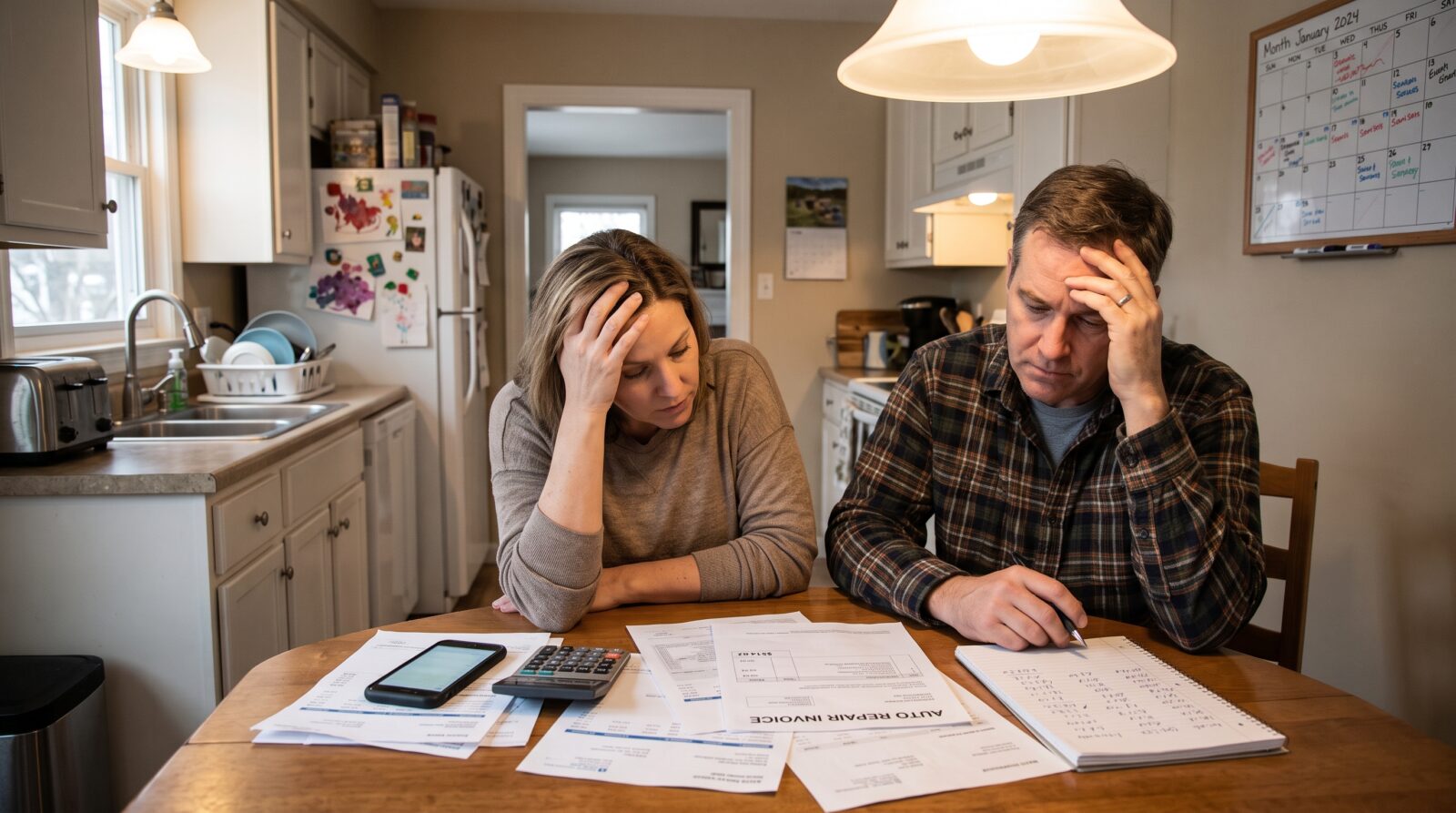
Managing Unforeseen Financial Emergencies
An unexpected expense of $500 can have far-reaching implications for households operating on tight budgets. These urgent costs—ranging from sudden vehicle repairs to medical bills—force families to reconsider their financial strategies, potentially leading to delayed payments and increased reliance on credit options. A deeper understanding of these challenges can support better preparedness against such financial upheavals.
The Impact of Smaller Emergencies on Household Finances
Most family budgets are structured around regular expenses like housing, food, and utilities. When an unforeseen bill emerges, it can throw these carefully balanced budgets into disarray. For instance, a household left with only $100 after covering their monthly commitments may struggle to find an additional $400 for an emergency, resulting in the need to postpone payments or cut down on essential goods.
The Federal Reserve‘s 2024 Report on the Economic Well-Being of U.S. Households reveals that 63% of adults feel they could manage a sudden $400 expense using available cash or liquid assets. However, this highlights that a significant number of individuals lack sufficient resources to cope with such financial jolts.
Frequent Budget-Wrecking Expenses
Unexpected costs tend to occur during periods when financial flexibility is minimal. A car malfunction can hinder daily commuting, while urgent medical fees often require prompt settlement. Likewise, the breakdown of essential home appliances demands immediate financial action if repairs or replacements cannot be delayed.
Such expenses are typically overlooked in standard monthly budgets, making it especially challenging for families to cope when emergencies occur close to payday or during a month packed with bills. The ripple effects can be severe; missing a utility payment may incur late fees, and charges on credit cards can lead to higher future interest payments. This can spiral into several months of financial instability.
Strategies for Managing a $500 Shortfall
To effectively handle a sudden financial shortfall, it is crucial to take stock of the household’s finances rather than selecting the quickest lending option. Start by reviewing the budget to identify where funds can be sourced, distinguishing between mandatory bills and those that can wait.
- Engage with Service Providers: Reach out to utility companies, medical practitioners, or repair services to inquire about potential payment extensions.
- Evaluate Savings: Even a modest emergency fund can alleviate some of the financial burden.
- Investigate Workplace Support: Some employers offer advanced payroll options or emergency financial programs.
- Seek Community Assistance: Local non-profits may provide support for groceries, utility bills, and transportation costs.
- Scrutinize Borrowing Options: If borrowing is necessary, carefully assess total repayment obligations and any associated fees before proceeding.
The Consumer Financial Protection Bureau underscores the importance of understanding the implications of loans, especially payday loans, and how the immediate obligations can interfere with regular financial responsibilities.
Exploring Short-Term Borrowing Options
In situations where savings and temporary relief are insufficient, exploring different financial borrowing avenues is essential. Options may range from credit union loans to personal loans or even borrowing from friends or family.
For individuals considering quick borrowing options for $500, it is vital to evaluate loan terms meticulously prior to application submission. Pay attention to repayment amounts, fee structures, scheduled payments, and potential penalties for late payments. Approval durations and funding timelines can vary, and no borrowing option should be taken for granted.
A prudent approach is to assess whether the repayment will leave enough budget for essential expenses like rent and utilities. Quick financial relief may solve immediate issues, but an unaffordable repayment obligation could lead to future financial dilemmas.
Establishing Safeguards Against Future Emergencies
Once the urgent financial challenge has been addressed, creating an emergency fund can reduce the likelihood of similar crises reoccurring. Aiming for a modest savings goal, such as $10 or $20 per paycheck, can incrementally contribute to a useful financial buffer over time.
Additionally, reviewing recurring expenses, eliminating unused subscriptions, planning for regular maintenance costs, and setting aside funds for annual expenditures will enhance fiscal preparedness. Keeping emergency savings separate from day-to-day spending facilitates their preservation for genuine emergencies.
Conclusion
A $500 emergency can significantly affect a household’s financial equilibrium, creating limited flexibility for families reliant on consistent income. Unforeseen expenses can trigger delayed payments and increased debt, impacting long-term financial health. By leveraging available resources, analyzing borrowing options, and gradually building emergency savings, families can enhance their resilience to unexpected financial challenges and foster sustained financial stability.

Chief Editor of Quincy City Beat — Quincy, MA's independent investigative newspaper covering Greater Boston and the entire Commonwealth of Massachusetts with fearless public accountability and free access for all readers.










Discussion about this post