

The Surge of AI in Logistics: Transforming Supply Chain Efficiency
In today’s fast-paced logistics environment, the demand for next-day delivery, coupled with rising fuel and labor costs, presents significant challenges. A single delay at a port can disrupt an entire network. To address these issues, logistics teams are increasingly harnessing the power of artificial intelligence (AI). The market for AI in logistics and supply chain management was valued at approximately $20.1 billion in 2024 and is anticipated to reach a staggering $196.6 billion by 2034, reflecting an impressive annual growth rate of 25.9% GMI.
Companies strategizing for 2027 budgets will find this guide invaluable. It outlines 15 pragmatic AI applications currently utilized in the logistics sector, complete with real-world examples. Additionally, it offers insights on what to expect in 2027, potential challenges, and actionable steps for implementation.
15 Practical AI Applications in Logistics
1. AI Route Optimization
Advanced routing models factor in traffic patterns, delivery timeframes, vehicle capacity, and stop density to determine the most efficient routes, making real-time adjustments as conditions evolve.
In practice: UPS’s ORION system is designed to reduce operational mileage by about 100 million miles annually, resulting in savings exceeding $300 million each year UPS.
2. AI Demand Forecasting
Machine learning models analyze historical sales data, seasonality, promotional impacts, and localized events to project demand across various products and locations, enhancing downstream operations like stock levels and transportation bookings.
In practice: Walmart employs an in-house neural network to forecast future demand by utilizing past sales data, planned events, and emerging trends at both global and local levels Supply Chain Dive.
3. Inventory Optimization
AI technology determines the best reorder points and safety stock levels for each SKU and location, offering recommendations for stock movement to prevent shortages while minimizing excess inventory costs.
In practice: Walmart’s agentic AI provides a unified view of inventory across its various facilities, enabling better management Supply Chain Dive.
4. Warehouse Robotics and AI Picking
Autonomous Mobile Robots (AMRs) assist in transporting goods to pickers or guide them along optimized paths. AI coordinates the robot fleet to avoid congestion.
In practice: DHL Supply Chain has achieved over 500 million picking operations using LocusBots across more than 35 locations, with the latest 100 million completed in just 154 days DHL. Meanwhile, Amazon operates over 1 million robots, with its DeepFleet AI expected to enhance efficiency by 10% Digital Commerce 360.
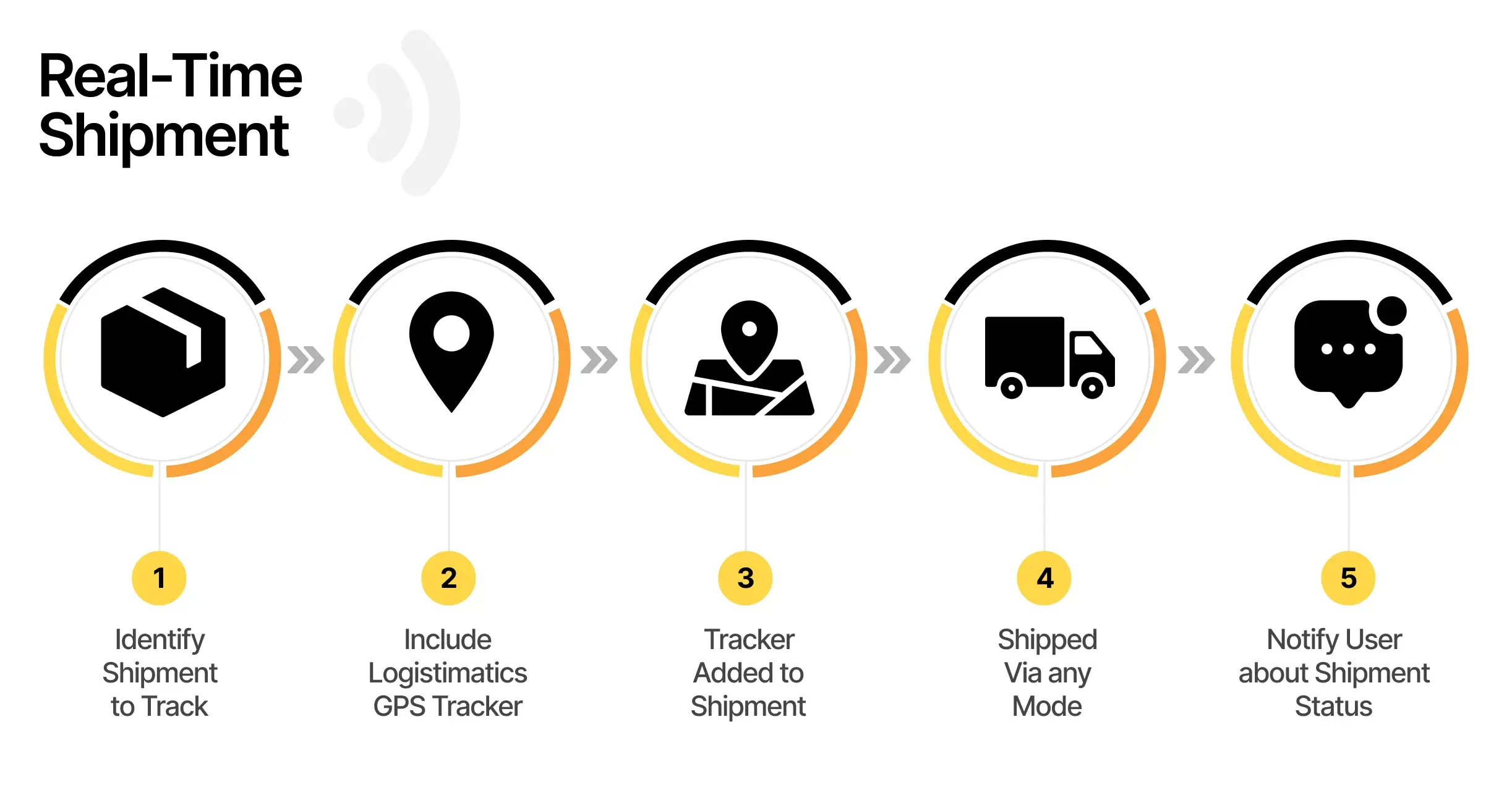
5. Real-Time Shipment Tracking and ETA Prediction
AI amalgamates data from GPS, carrier updates, port statistics, and weather forecasts to provide accurate estimated arrival times, proactively alerting teams to potential delays.
6. Predictive Maintenance for Fleets and Equipment
By analyzing sensor data from vehicles and machinery, AI identifies wear and tear before breakdowns occur, allowing for scheduled repairs during planned downtime.
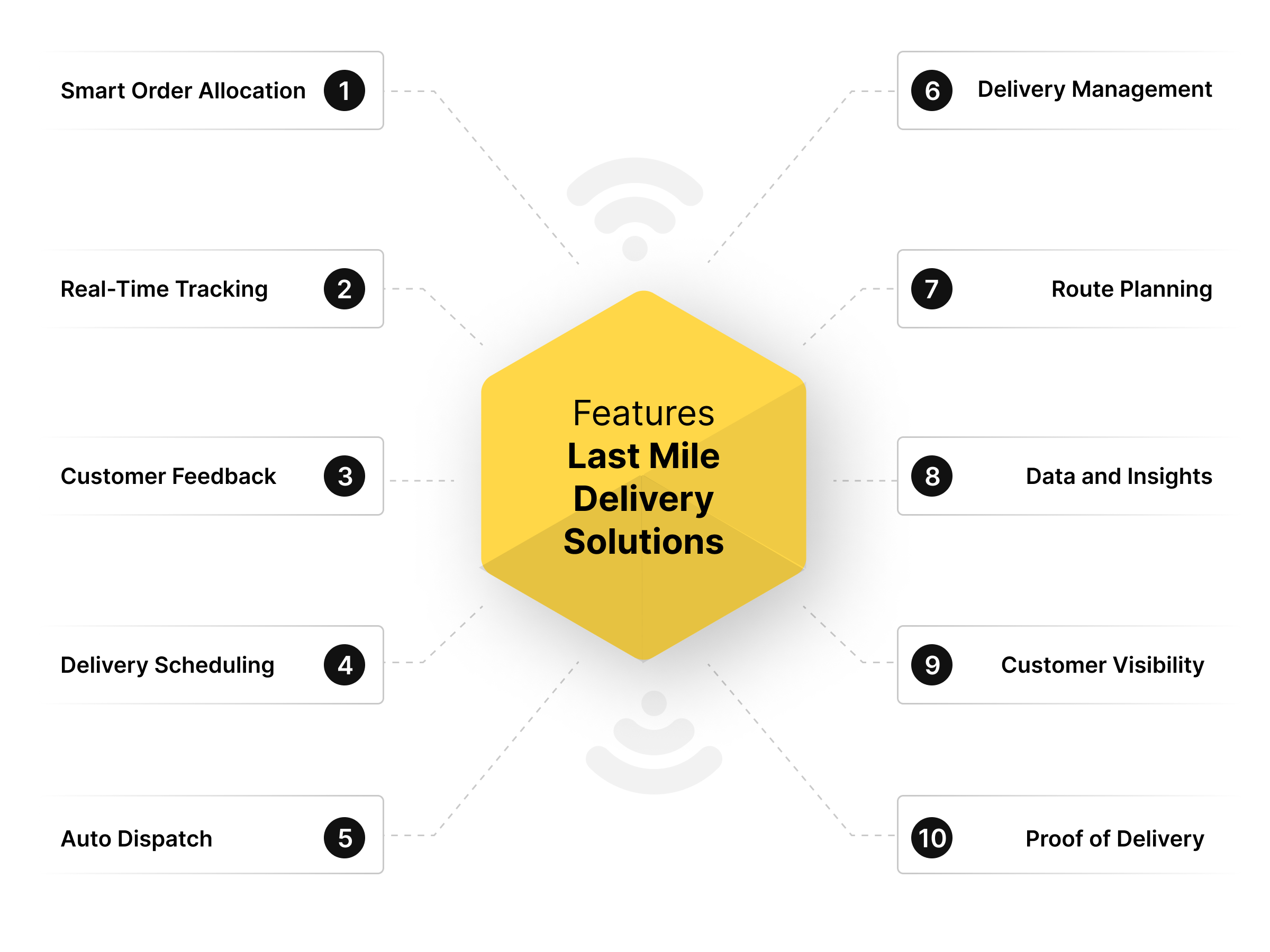
7. Last-Mile Delivery Optimization
As one of the most costly segments in logistics, AI aggregates orders, schedules delivery times, assigns drivers, and assesses which addresses may present delivery challenges.
8. Freight Matching and Load Planning
AI efficiently pairs loads with available carrier capacity, reducing empty miles while optimizing trailer and container loading arrangements.
9. Freight Rate Prediction and Dynamic Pricing
Models provide forecasts for spot and contract rates based on market factors, allowing shippers to strategically time their bookings while helping carriers maintain profit margins.
10. AI Document Processing
AI technologies automate the extraction of key information from bills of lading, invoices, customs documentation, and delivery proofs, significantly minimizing manual data entry.
11. Cold Chain Monitoring
In sectors like food and pharmaceuticals, AI continuously monitors conditions within containers, such as temperature and humidity, providing early alerts to prevent spoilage.
In practice: Maersk’s Captain Peter assistant offers customers real-time tracking of reefer container conditions, including temperature and gas levels Maersk.
12. Computer Vision for Inspection and Damage Detection
Computer vision technologies leverage cameras to inspect incoming goods, verify labels, assess package dimensions, and detect damage without manual intervention.
In practice: Walmart utilizes computer vision to ensure the quality of incoming products, such as identifying damaged or expired items Supply Chain Dive.
13. Supply Chain Risk and Disruption Monitoring
AI continuously monitors various data sources, including news, weather patterns, port congestion, and supplier performance to proactively identify potential disruptions and suggest alternatives.
In practice: In response to congestion in the Panama Canal, Walmart used AI to explore alternative ports and routes Supply Chain Dive.
14. Freight Audit and Fraud Detection
AI systems analyze carrier invoices and transactions to detect anomalies, preventing issues like duplicate billing and overcharging.
15. AI-Powered Customer Service for Shipment Inquiries
AI-driven solutions address common queries, such as “Where is my order?” by providing real-time tracking data and escalating complex cases to human representatives.
In practice: UPS’s integration of AI-powered tracking and customer support aims to resolve over 98% of inquiries by the end of 2026 Nasdaq.
Looking Ahead to 2027
The logistics landscape is expected to evolve significantly by 2027, with AI transitioning from predictive capabilities to active solutions. Gartner forecasts that spending on supply chain software utilizing agentic AI will surge from under $2 billion in 2025 to $53 billion by 2030. Additionally, 60% of companies incorporating such software are predicted to adopt agentic features by 2030, a substantial increase from the current 5% Gartner.
Anticipate the following developments:
- Agentic AI in Daily Operations: More autonomous agents are expected to manage whole tasks, such as rebooking shipments, retrieving missing delivery proofs, or reconciling invoices with human oversight for key decisions.
- Scaling Autonomous Trucking: The deployment of driverless freight is projected to expand. Early successes, such as Aurora’s 1,000-mile journey between Fort Worth and Phoenix, indicate a promising future for this technology TechSpot.
- Standardized Digital Twins for Planning: Carriers, including UPS, are already leveraging digital twin technologies to model disruptions and streamline network planning Nasdaq.
- Generative AI for Paperwork Management: Large Language Models (LLMs) will increasingly manage the drafting and processing of documents such as quotes, emails, and exception reports.
Organizations must also consider the impact on the workforce, as a Gartner survey reports that 55% of supply chain leaders anticipate that agentic AI will lead to reduced entry-level hiring needs Gartner.
Anticipating Challenges
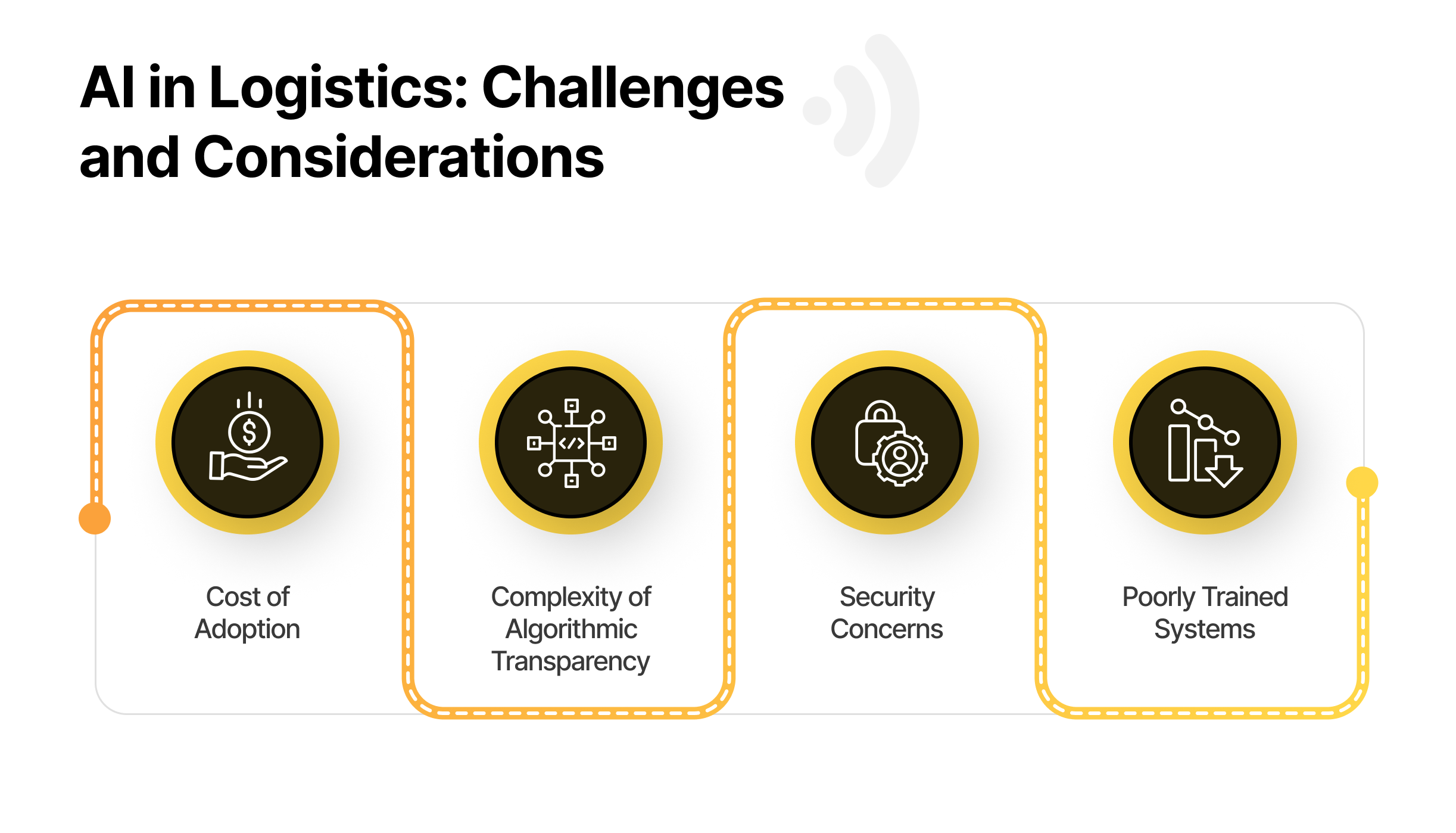
Many AI projects in logistics encounter obstacles primarily related to data integration rather than the algorithms themselves.
- Integration with Legacy Systems: For successful AI deployment, seamless compatibility with existing Transportation Management Systems (TMS), Warehouse Management Systems (WMS), and Enterprise Resource Planning (ERP) is critical, although legacy or customized systems may complicate this process.
- Disorganized Data: Shipment, inventory, and carrier information is often dispersed across different systems, leading to inconsistent formats and poor predictions.
- Upfront Investment: Initial costs covering software, integration, hardware, and skilled labor can be significant. It is advisable to start with a defined use case where ROI is clear.
- Explainability: Trust in AI solutions is key, requiring planners to understand how specific recommendations are generated; therefore, tools that offer transparency are preferred.
- Security and Compliance Risks: Enhanced connectivity can expose sensitive customer, shipment, and customs data, highlighting the need for robust security measures.
- User Adoption: Successful implementation requires training for drivers, planners, and warehouse staff to integrate new tools effectively into daily operations to prevent underutilization.
Initiating Your AI Journey
- Identify a High-Cost Problem: Focus on issues such as late deliveries or excessive manual paperwork, and quantify the associated costs.
- Assess Your Data Quality: Ensure you possess at least a year of clean historical data for the identified problem and know where it resides.
- Conduct a Targeted Pilot: Implement a pilot across a specific lane, warehouse, or document type over a period of 8 to 12 weeks and measure its impact against a baseline.
- Integrate Results into Daily Operations: Ensure findings are incorporated into existing tools, eliminating the need for separate dashboards.
- Expand Successful Solutions: Leverage insights from the pilot to scale solutions across other areas or operations.
Markovate’s Role in AI Implementation
Markovate specializes in developing bespoke AI solutions tailored to logistics teams, focusing on your specific data and operational challenges. We provide customized tools rather than off-the-shelf options, ensuring integration with your existing TMS, WMS, and ERP systems.
- Route and Fleet Optimization: Solutions designed to minimize miles driven and fuel consumption.
- Demand Forecasting and Inventory Planning: Reducing stockouts and associated holding costs.
- AI Document Processing: Streamlining handling of bills of lading, invoices, and customs paperwork.
- AI Agents: Automating exception management, carrier communications, and customer inquiries.
Are you interested in identifying where AI can deliver the fastest returns in your operations? Consult with Markovate’s AI team to initiate a focused pilot project, or explore our AI consulting services.
Frequently Asked Questions
How is AI implemented in logistics?
AI is utilized for route planning, demand forecasting, inventory management, warehouse operations, shipment tracking, document processing, and customer service. Many organizations begin with routing, forecasting, or document management due to the measurable cost savings.
What are the standout examples of AI in logistics?
The UPS ORION routing system is a prominent example, engineered to conserve approximately 100 million miles and more than $300 million in costs annually.
What investment is needed for AI implementation in logistics?
Costs are contingent on the complexity, data quality, and system integration needs. Starting with a focused pilot on a single use case typically requires a lower investment and demonstrates ROI before scaling further.
What key AI trends should we expect in logistics by 2027?
Anticipated trends include the integration of agentic AI into daily operations, scaling of autonomous trucking, widespread use of digital twins for planning, and the utilization of generative AI for managing freight documentation.
What is agentic AI in logistics?
Agentic AI performs entire processes, such as identifying delayed shipments and autonomously finding alternative carriers and rebooking options, with human oversight only required for crucial decisions.
Will AI eventually replace jobs in logistics?
While AI may automate repetitive tasks like data entry and routine scheduling, it is expected that many roles will transition to managing exceptions and strategic decision-making. According to Gartner’s survey, many leaders foresee reduced entry-level hiring.
References

Chief Editor of Quincy City Beat — Quincy, MA's independent investigative newspaper covering Greater Boston and the entire Commonwealth of Massachusetts with fearless public accountability and free access for all readers.










Discussion about this post