

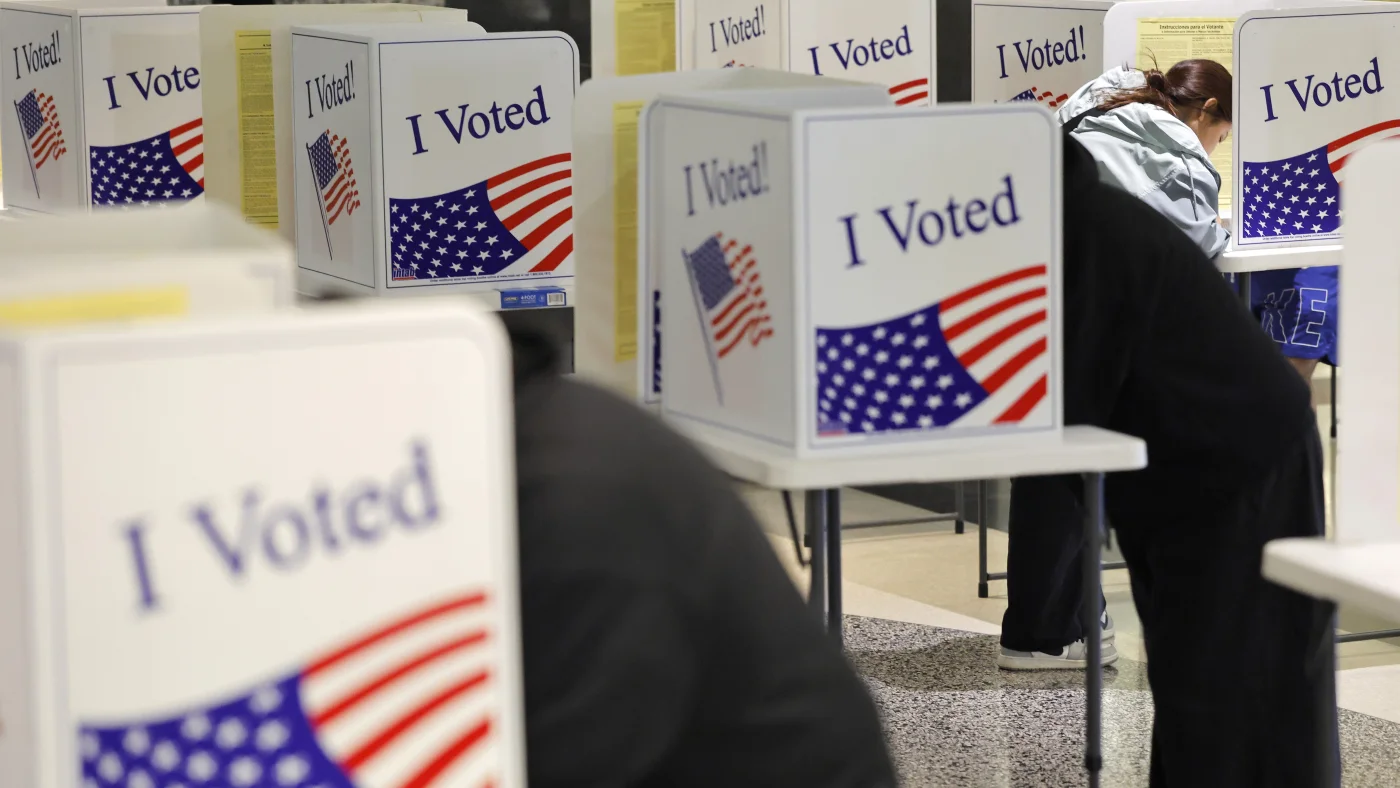
Midterm Elections Showcase Voter Engagement on Key Issues
The recent midterm elections marked a significant triumph for the Democratic Party, while offering a comprehensive view of voter sentiment across several pressing matters.
In a remarkable turnout, voters in 39 states, alongside Washington, D.C. and the Northern Mariana Islands, weighed in on a total of 146 statewide ballot measures. These varied in topics from taxation and public safety to social rights and technology regulation.
Preservation of Abortion Rights
Following the U.S. Supreme Court’s decision to overturn Roe v. Wade last year, numerous states have placed abortion accessibility on their ballots. This election cycle saw four states consider abortion-related measures, of which three received voter approval.
Voters in Missouri notably rejected a proposal aimed at imposing stringent restrictions on abortion, reinforcing public support for reproductive rights just two years after a failed ban in the state. Meanwhile, Nevada and Virginia secured measures to uphold abortion rights, with Virginia’s amendment also encompassing reproductive healthcare and contraception.
Voting Rights and Election Procedures
In many jurisdictions, amendments concerning election regulations were hotly debated. States such as Nevada, North Carolina, and Ohio strengthened voter identification requirements, whereas California chose to reject such measures.
Efforts to revamp congressional district maps were also significant, with Missouri citizens rejecting a GOP-backed map, while Maryland voters approved a measure likely to favor Democratic representation in future elections.
Mixed Outcomes for LGBTQ Rights
In a notable development for LGBTQ rights, Virginia passed an amendment to officially repealing its ban on same-sex marriage. This change solidifies the recognition of marriages across all genders and orientations, functioning as a safeguard against potential reversals of Obergefell v. Hodges.
However, other states witnessed measures that restrict transgender rights, with Colorado approving restrictions related to youth sports and healthcare access for transgender individuals. Arizona also passed a proposal limiting facility access based on sex assigned at birth.
Taxation and Fiscal Policies Under Review
Ballot measures regarding tax policies garnered substantial attention, particularly in Florida, where voters approved revisions to property tax regulations that critics argue may undermine local services. In contrast, Californians faced a contentious proposal for a wealth tax on billionaires that remained too close to call following the elections.
Other states, like Tennessee and Arizona, enacted laws prohibiting state-level property taxes and ensuring limits on grocery taxes, respectively.
Gun Laws Diverge Across States
Massachusetts affirmed its commitment to stricter gun regulations, preserving a law designed to enhance control over firearms. Conversely, Idaho proposed a ballot measure to designate an official state gun, reflecting the state’s more relaxed approach to gun ownership.
Public Sentiment on Data Centers
A wave of voter initiatives sought to regulate the expansion of data centers, deemed necessary for artificial intelligence infrastructure. Numerous jurisdictions opted for restrictions or outright bans on new developments, mirroring public concerns about their impact on local economies and energy costs.
Additional Notable Measures
In Alabama, residents voted to require public schools to recite the Pledge of Allegiance and perform the national anthem weekly. D.C. voted on a controversial ban of foie gras, reflecting local culinary and ethical considerations.
The outcomes of these ballot measures encapsulate a dynamic electoral landscape, indicative of shifting societal values and priorities within the electorate.

Chief Editor of Quincy City Beat — Quincy, MA's independent investigative newspaper covering Greater Boston and the entire Commonwealth of Massachusetts with fearless public accountability and free access for all readers.










Discussion about this post