

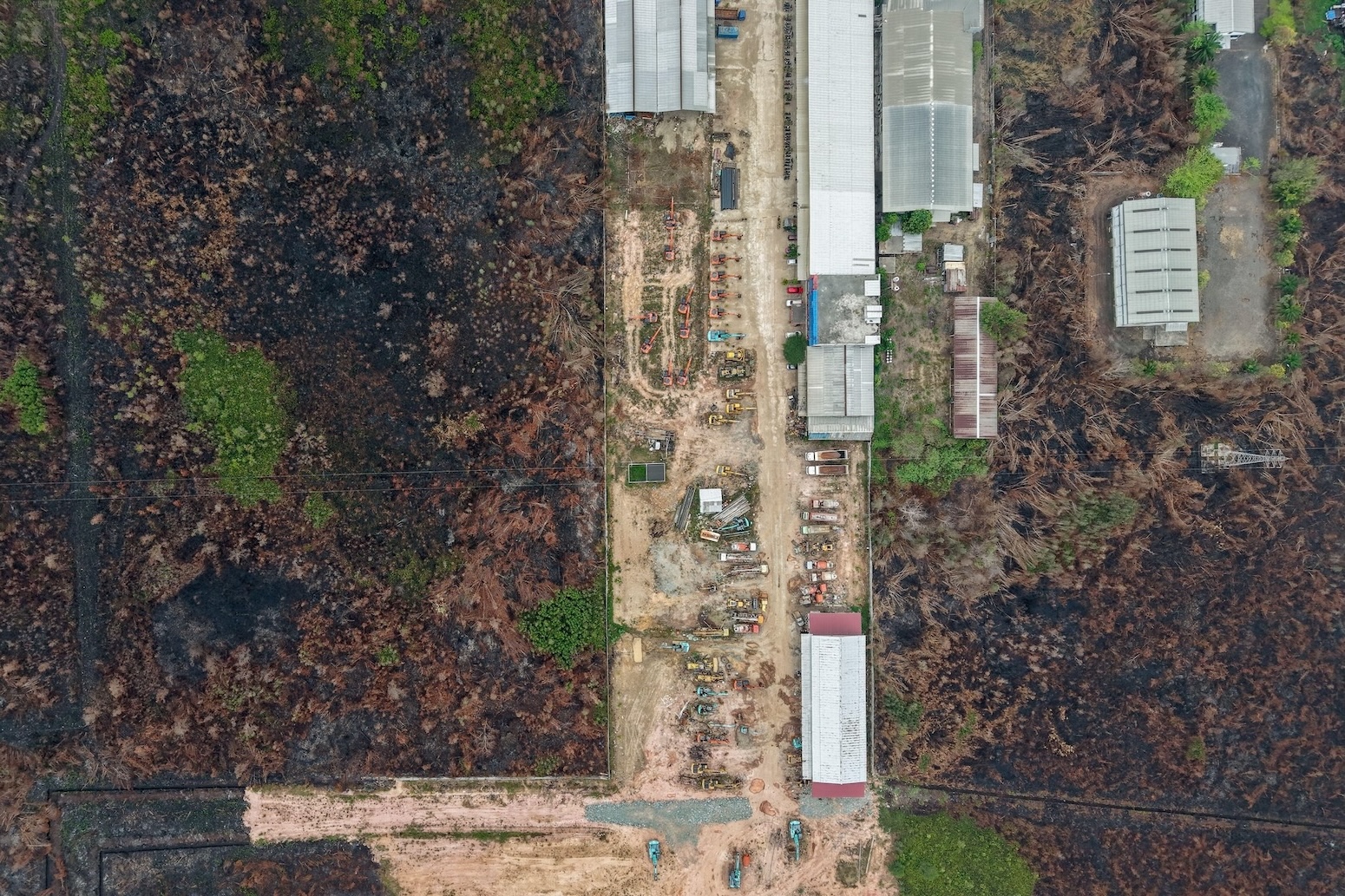
Brazil Unveils Deforestation Roadmap at COP30 Climate Talks
The Brazilian presidency of the COP30 climate negotiations officially introduced its much-anticipated “roadmap” aimed at curbing deforestation on November 3.
Prior to the summit in Belém, Brazilian President Luiz Inácio Lula da Silva advocated for a strategic framework to halt and reverse deforestation.
While the roadmap was not part of the COP’s formal agenda, it gained traction as a central theme during the “Amazon” COP.
By the conclusion of the event, 93 nations had endorsed the deforestation roadmap, each pledging to establish voluntary approaches to restore forest areas and combat degradation by 2030.
The Brazilian presidency encouraged countries to outline potential pathways away from deforestation and specify required assistance.
This initiative garnered feedback from 18 countries and four negotiating blocs, alongside numerous contributions from NGOs, research institutions, and various stakeholders.
Understanding the Deforestation Roadmap
The “deforestation roadmap” emerged as a key announcement from the Brazilian presidency at COP30, albeit outside the official treaty negotiations.
President Lula initially presented the roadmap alongside a fossil fuel transition plan during the leaders’ summit in Belém, prior to COP30.
As the summit progressed, nearly 100 nations expressed support for this initiative, including the European Union and the Coalition for Rainforest Nations.
Despite strong support, the roadmap fell short of the required 196 party consensus necessary for it to be recognized as a formal outcome of the COP process.
Consequently, COP30 President André Corrêa do Lago announced that the presidency would continue efforts to develop both deforestation and fossil fuel phaseout roadmaps outside of the COP framework.
This latest roadmap contributes to a series of international commitments aimed at halting forest loss. In 2014, 39 countries pledged to eradicate natural forest loss by 2030 under the New York Declaration on Forests. In 2021, over 140 nations adhered to the Glasgow Leaders’ Declaration, committing to collectively address forest loss by 2030, although some disputes emerged over interpretations of this commitment.
At COP28 in Dubai, the goal of reversing deforestation by 2030 gained formal acknowledgment for the first time in the global stocktake process.
Unlike earlier agreements, this roadmap does not introduce new commitments or alter previously established directives. Instead, it seeks to “translate forest-related outcomes into coordinated, country-led action while considering different national contexts, priorities, and implementation challenges.”
Following COP30, the presidency solicited input from a diverse group of stakeholders, including civil society organizations, Indigenous peoples, academics, and the private sector, with the Climate Policy Initiative designated as the roadmap’s technical partner. More than 200 contributions were received, though only 18 were from individual nations or blocs.
Content of the Roadmap on Deforestation Reduction
The roadmap’s release occurred shortly before the COP31 climate summit and was unveiled during an event organized by the UN Development Programme in Brasília.
At the launch, Do Lago shared that Brazil’s deforestation rate had plummeted to its lowest level, decreasing by over 70% since 2022. “Even the optimists wouldn’t have predicted such a dramatic reduction,” he stated.
Do Lago expressed hope that the roadmap would serve as a “living document,” offering a pragmatic framework for climate action.
The roadmap delineates forest action into three interconnected sectors: national initiatives, international cooperation, and financial mechanisms.
For each sector, the document outlines current practices and necessary enabling conditions, providing proposals from the COP30 presidency on potential pathways forward.
In terms of national action, five key forest dimensions are identified to combat deforestation:
- Preserving existing forests.
- Sustainable forestry practices that benefit communities.
- Addressing forest degradation.
- Directly combating deforestation.
- Restoration and reforestation efforts.
The roadmap outlines 18 policies or “implementation approaches” available to nations aimed at reducing forest loss, emphasizing that this list is not exhaustive nor prescriptive.
Examples of these policies include establishing protected areas, recognizing Indigenous territorial rights, managing pest outbreaks, and imposing restrictions on activities leading to forest conversions.

For each policy, the roadmap discusses its rationale and effectiveness while providing case studies on implementation. It also covers enabling conditions essential for national efforts, such as land governance improvement and environmental education promotion.
To assist countries in action, a five-step process is recommended, giving guiding questions for each stage.
Regarding international collaboration, the roadmap investigates various global environmental and human rights frameworks that address deforestation, emphasizing the interconnected nature of climate change, biodiversity loss, and land degradation.
It advocates for enhanced international monitoring initiatives to aid national efforts, while also recognizing disparities in countries’ capacities to utilize such information. The roadmap calls for improved technical cooperation and capacity building among nations.
Additionally, it addresses two crucial cross-border concerns: environmental crime and trade, suggesting that trade measures favoring compliance are generally more effective than those imposing burdens on exporters.
The roadmap articulates a need for approximately $300 billion annually by 2030 to reverse deforestation, highlighting that current financing falls significantly short of this target. Close to 90% of existing funding derives from domestic public finances, as forest-rich countries allocate considerable resources to uphold their environmental policies.
To address financial shortcomings, the roadmap proposes ten actionable steps, including aligning domestic financing to support forest conservation and enhancing the role of forests within carbon markets.
Concluding, the roadmap encourages continued collaborative dialogue through to the conclusion of the next global stocktake in 2028.
Kelly Stone, coordinator of the Climate Land Ambition and Rights Alliance, commented, “While this roadmap marks crucial progress in forest commitments, it is essential that these pledge actions translate into urgent, tangible measures on the ground. We cannot afford any delays.”
Reasons for Non-Signature of the Roadmap by Certain Countries
At the Belém summit, discussions regarding the deforestation roadmap were contentious, resulting in several countries refraining from endorsing it.
India has historically expressed apprehension towards top-down commitments associated with mitigation and land-use transformation, which led to its decision not to sign earlier agreements, including the Glasgow pledge at COP26.
During COP30, India, representing the Like-Minded Developing Countries bloc, opposed the inclusion of voluntary roadmaps outside the formal agenda. However, following the discussions, Environment Minister Bhupender Yadav indicated India’s openness to Brazil’s forest roadmap.
Russia also voiced objections to the deforestation roadmap, questioning its legal grounding within the framework of existing international climate agreements. Noting that it does not support a universal roadmap, Russia stressed that no universally accepted definition of forest degradation exists.
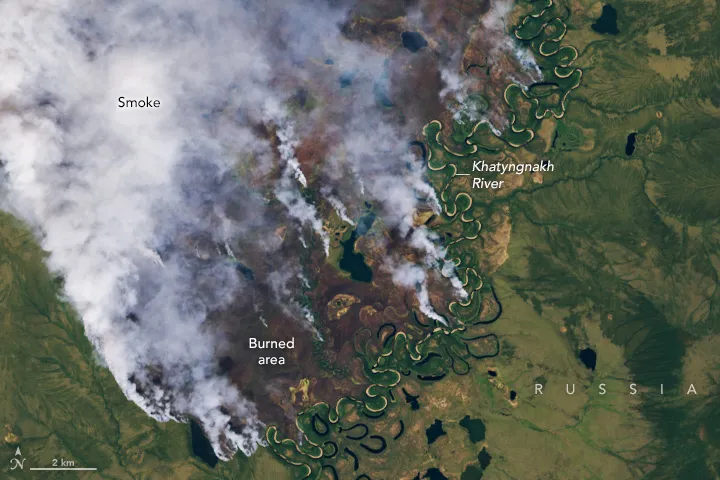
Russia, which harbors the world’s largest boreal forests adversely impacted by intensified wildfires, reiterated its commitment to existing forest declarations but did not support the roadmap on the grounds of trade implications.
Other nations hesitated to adopt new non-negotiated commitments outside the official agenda, risking side-lining other critical topics, such as adaptation financing.
Marco Túlio Scarpelli Cabral, coordinator of the roadmap, shared insights post-COP30, acknowledging the consensus achieved on deforestation within previous gatherings and emphasizing that countries need not adopt additional roadmaps when action is already underway.
In 2024’s global stocktake, the consensus underscored the necessity of halting deforestation, and thus the newly introduced roadmap seeks to build on this agreement without necessitating further commitments from countries.
At a press briefing on November 3, COP30 President Corrêa do Lago remarked on the rapid advancement of the climate agenda and the restructuring required to keep pace with these developments.
Identifying Barriers to Roadmap Implementation
In February 2026, the Brazilian COP presidency encouraged nations to outline specific obstacles to implementing the forest roadmap and identifying needed support.
Contributors cited a range of interconnected challenges, from political unrest to reliance on firewood amid energy crises, impeding efforts to counter deforestation. For instance, both Guyana and Suriname pointed out that the value of intact forests is often overshadowed by pressure from extractive industries.
The EU, Switzerland, and Mexico emphasized agricultural expansion as a significant driver of forest and pasture land loss. Meanwhile, Norway and Mexico called attention to the financial gains presented by illegal logging, which often exceed those from conservation.
Canada and Russia indicated the lack of a consistent definition of forest degradation as an obstacle. Biodiversity-rich nations noted that affordable access to climate finance is essential for preserving their forests.
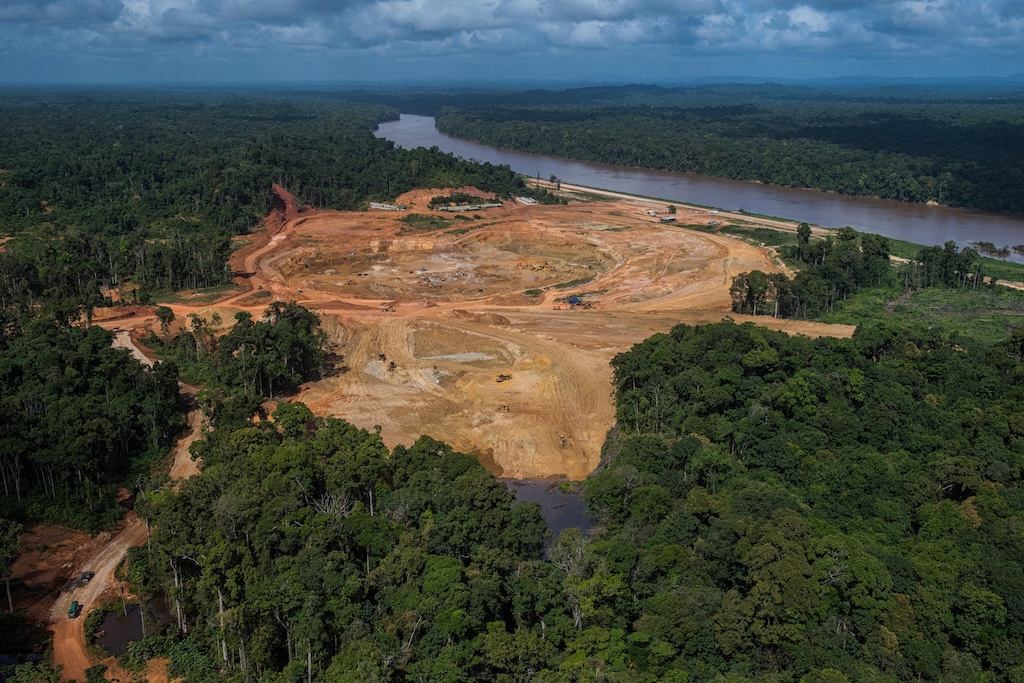
The Coalition of Rainforest Nations advocated for a clear, comprehensive financial assessment to understand the total funding needed to combat forest loss. In contrast, donor countries underlined the necessity of innovative financial approaches. For instance, the UK suggested encouraging private investment through blended finance strategies for forest conservation.
Norway addressed the need to reallocate harmful subsidies, while Australia underscored its controversial biodiversity credits as a dual strategy for restoring land and reducing emissions.
Monitoring deforestation and restoration progress emerged as a common concern. Numerous nations, including AOSIS and Armenia, stressed the necessity of enhancing technical support for forest monitoring.
Additionally, Canada, Indonesia, Russia, Azerbaijan, and Australia pointed to the escalating risk of wildfires as a critical threat. Countries called for enhanced early detection systems to manage forest fires in remote regions.
AOSIS also argued for incorporating coastal mangroves within the forest definition, acknowledging the climate-induced degradation affecting these ecosystems.
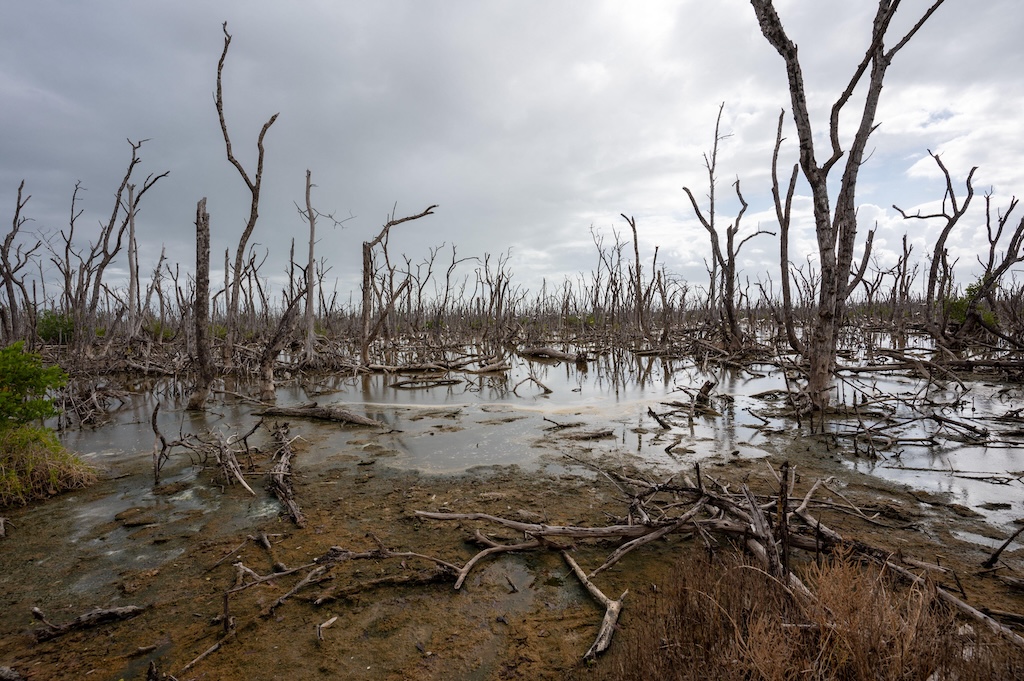
These barriers are often deeply rooted in the unique social and geographical contexts of individual nations. For example, small island states like Mauritius face constraints due to limited land availability, while Sudan highlighted its dependency on firewood amid ongoing conflict.

Chief Editor of Quincy City Beat — Quincy, MA's independent investigative newspaper covering Greater Boston and the entire Commonwealth of Massachusetts with fearless public accountability and free access for all readers.










Discussion about this post