

Election Day 2026: Americans Go to the Polls
Today marks a pivotal Election Day in the United States, where voters participate in determining the future control of both the U.S. House of Representatives and the Senate for the next two years.
Republicans Face Historical Challenges
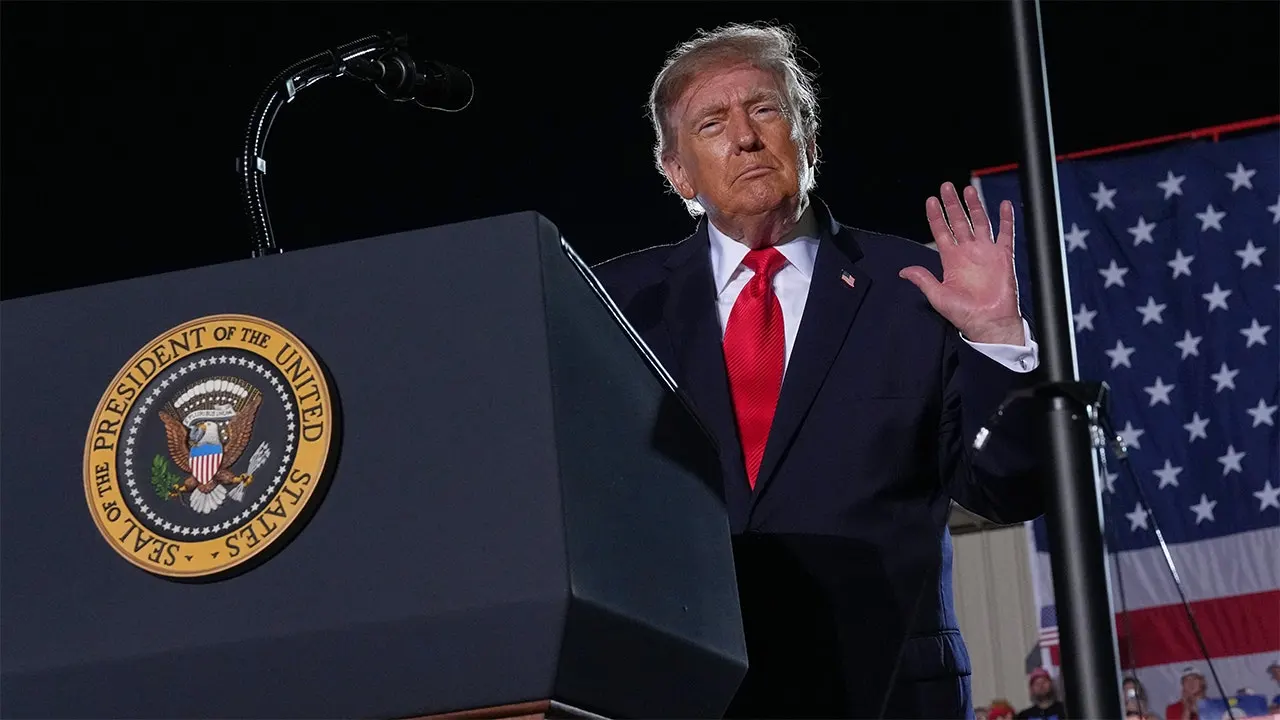
The Republican Party is defending its slim congressional majorities amidst historical trends that suggest the ruling party often loses seats in midterm elections. President Donald Trump remains optimistic, asserting his belief that the GOP will successfully retain both chambers during the final two years of his presidency.
“We’re going to win and let’s make the next two years bigger and better and stronger than ever before,” he stated during a recent rally in Salina, Kansas.
Political Climate and Voter Engagement
However, the GOP’s path is complicated by persistent inflation concerns, an unpopular conflict with Iran, and declining approval ratings for Trump. Moreover, public sentiment indicates that Democrats are currently more enthusiastic about voting, creating a potential turnout gap.
Early voting has broken records this cycle, with over 54 million ballots cast in advance, nearly nine million more than during the 2022 midterm elections. Republican National Committee Chair Joe Gruters emphasized the importance of Election Day turnout, stating, “If our voters turn out, we win.”
Key Races and Power Shifts
The political landscape is notably challenging for the GOP. Trump’s rally in Kansas followed a shift in the state’s Senate race rating from Lean Republican to Toss-up. Democrat Adam Hamilton seeks to potentially become the first Democratic senator from Kansas in nearly a century, posing a significant challenge to incumbent GOP Senator Roger Marshall.
As Election Day unfolds, political analysts are watching various races closely. Many nonpartisan assessments indicate that Democrats could regain control of the House, while retaining the Senate remains uncertain.
Gubernatorial Elections and Ballot Measures
This election year also sees governorships contested in 36 of the 50 states, along with legislative elections in all but four states. Voters are also voicing their opinions on 145 statewide ballot measures across the country.
Contentious measures regarding voting access—including mandatory identification requirements and noncitizen voting bans—are present in 11 states. Other notable initiatives include California’s Proposition 40, which proposes a one-time 5% tax on wealth exceeding $1 billion for healthcare funding.
Election Day Timeline
Polling places began closing at 6 p.m. ET, with the final ballots counted as late as 1 a.m. ET. The closing times will provide the first indications of outcomes, particularly in key battleground states.
Mixed predictions suggest that various states, including Kentucky and Indiana, will shape the electoral landscape as results start to emerge throughout the evening.

Chief Editor of Quincy City Beat — Quincy, MA's independent investigative newspaper covering Greater Boston and the entire Commonwealth of Massachusetts with fearless public accountability and free access for all readers.









Discussion about this post