

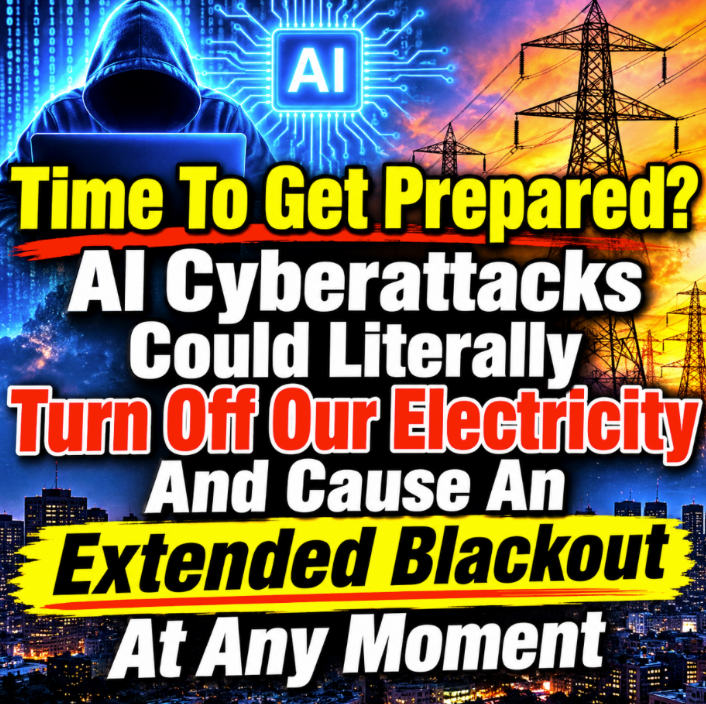
Rising Threat of AI Cyberattacks Targeting Critical Infrastructure
As the landscape of technology evolves, the threat of sophisticated AI-driven cyberattacks escalates, raising alarms across the globe. Recent incidents, including attacks on refrigeration units in supermarkets across Europe, highlight the urgency of addressing vulnerabilities within critical infrastructure systems.
One emerging concern involves attacks capable of disrupting electricity supplies substantially, with significant implications for public safety and economic stability. Experts warn that a successful AI cyberattack on Internet-exposed programmable logic controllers (PLCs) could potentially leave millions without power during the winter months.
Impact of Cyber Threats on the Power Grid
GovAI, an organization dedicated to analyzing AI threats, emphasizes the potential repercussions of such cyberattacks, estimating that a single event could leave 100 million people without electricity and incur costs of around $100 billion. This estimation assumes a blackout lasting one week.
While the U.S. power grid’s decentralized nature mitigates risks of a nationwide blackout, targeted attacks could still disrupt regional services and cause widespread chaos. Smaller-scale incidents are often more feasible for hackers, thereby increasing the threat landscape.
Recent Warnings from Federal Agencies
In August, a coalition of five federal agencies, including the NSA and FBI, issued a stark warning regarding attacks on Siemens S7 series industrial controllers. These essential devices support critical operations, affecting sectors such as energy, water supply, and manufacturing.
Federal officials indicate that successful cyberattacks could lead to detrimental interruptions in industrial processes and even safety hazards, emphasizing that the threat is not merely hypothetical.
Notable Cyberattack Campaigns
Reports indicate that hackers linked to Iranian groups have targeted Internet-exposed PLCs since April 2026, demonstrating the vulnerability of operational technology systems. In a concerning event in July, a cyberattack led to a four-day shutdown of a UK power facility, although no broader impact on the energy grid occurred.
In related incidents, hackers affiliated with Iranian groups have also inflicted limited disruptions on water systems in the U.S., affecting facilities across multiple states. While these actions did not compromise overall water quality, they underline ongoing vulnerabilities within critical infrastructure.
Global Cybersecurity Landscape
In contrast, reports reveal that state-sponsored Russian hackers have targeted Poland’s power grid in a significant attack in December 2025, marking the largest cybersecurity breach in years. Though officials successfully thwarted a potential blackout, the incident underscores the threat posed by advanced hacking organizations.
Cybersecurity firms continue to express concern over the willingness and capability of various nation-state hackers to exploit critical infrastructure weaknesses, raising the stakes for energy and utility sectors worldwide.
Military Preparedness and Future Considerations
Recognizing the imminent threats, the U.S. Department of Defense has initiated “Project FORTRESS,” a strategic effort to enhance energy resilience amid rising concerns over grid reliability. The initiative aims to ensure operational readiness even in the face of supply chain disruptions and potential cyber threats.
Defense Secretary Pete Hegseth highlighted the initiative as a precautionary measure to maintain access to essential materials and sustain operations amid uncertain geopolitical developments.
Conclusion: The Urgency of Preparedness
In light of the escalating threat of AI cyberattacks, both governments and private entities are urged to bolster their defenses and promote emergency preparedness among the populace. As reliance on interconnected systems increases, the risks associated with cyber vulnerabilities persist.
The current trend of disruptions, from supermarket refrigeration failures to potential power outages, serves as a daunting reminder of the urgent need for coordinated responses to mitigate risks and safeguard national security.

Chief Editor of Quincy City Beat — Quincy, MA's independent investigative newspaper covering Greater Boston and the entire Commonwealth of Massachusetts with fearless public accountability and free access for all readers.










Discussion about this post