

Upcoming UN Climate Negotiations in Antalya Amid Global Challenges
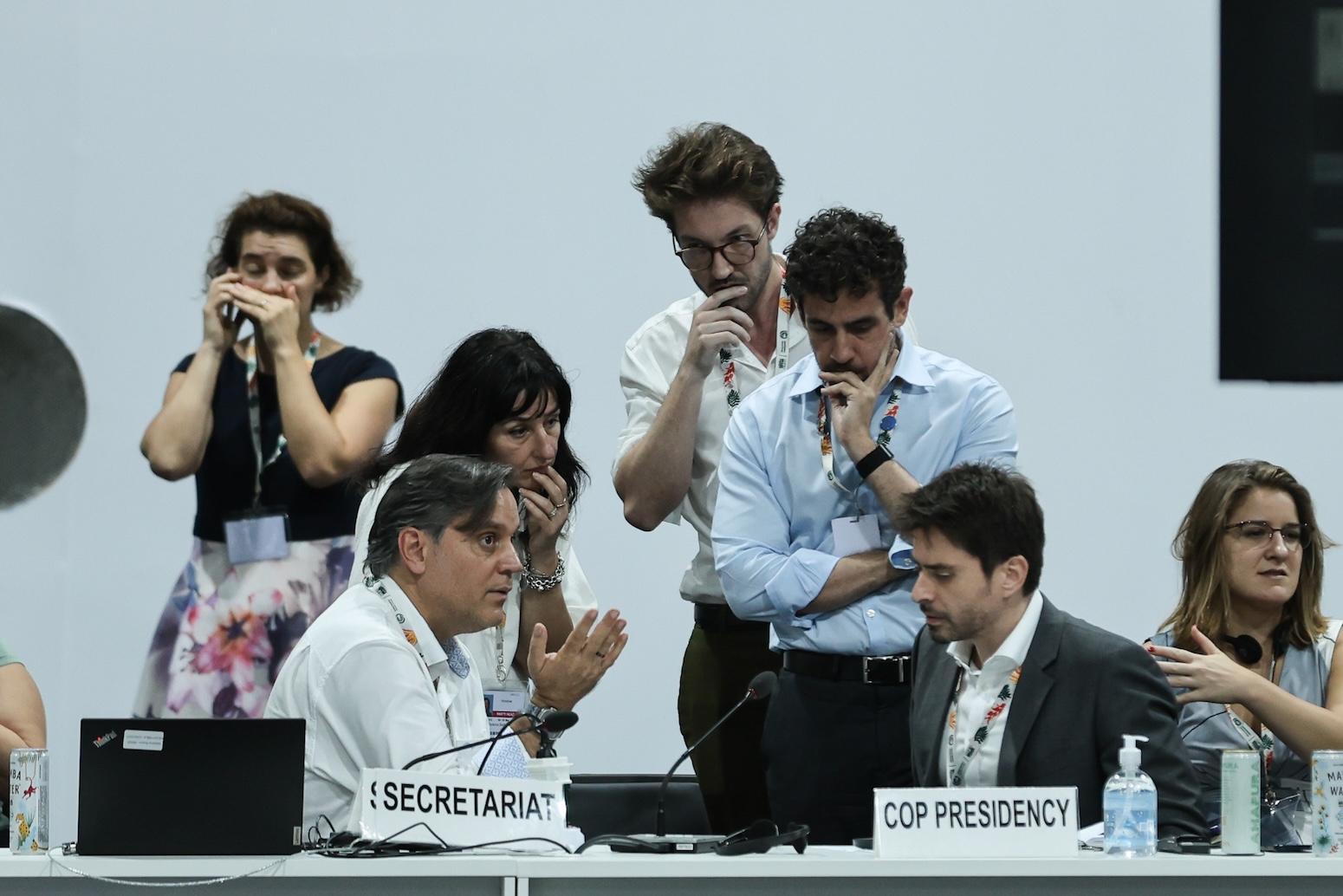
Delegates from around the world are set to convene in Antalya, Turkey, for the UN climate negotiations, known as COP31. The conference comes at a time marked by geopolitical conflicts, an ongoing energy crisis, and notable climate extremes.
At this summit, participating nations will strive to establish consensus on critical topics, particularly climate financing for developing nations and the pathways for a global “just transition” toward a sustainable economy.
What makes COP31 distinctive is its collaborative presidency, where Australia leads the negotiations while Turkey is the host nation.
In addition to the main discussions, Turkey is advocating for specific priorities, which include electrification, ocean protection, and initiatives aimed at “green industrialization,” as part of a broader “action agenda.”
To provide insight into the stances of various nations on key negotiating matters, Carbon Brief has thoroughly analyzed approximately 100 documents, compiling the findings into an interactive table. This tool presents information about country positions on various negotiating topics and their respective priorities, ranging from advocacy to opposition.
This comprehensive overview is intended to be a dynamic resource, updated throughout the duration of COP31.
Contributions or suggestions regarding the negotiations can be sent via email to [email protected].
A detailed glossary of the key issues and terminology pertinent to the discussions will be available below the interactive table.
Just Transition Mechanism
During COP30 in Brazil in 2025, nations agreed to establish a pragmatic framework for facilitating a “just transition” to a low-carbon economy. Key components of this “Belém-Antalya Mechanism” (BAM)—often referred to as the “just transition mechanism” (JTM)—were outlined in the recent climate discussions held in June. However, several critical details remain unresolved, and divergent views exist among the parties.
Disagreements have arisen regarding the scope of the mechanism and its connection to financial provisions. Despite these differences, civil society organizations emphasize that launching this mechanism is a paramount expectation from COP31.
Climate Financing Challenges
The subject of climate finance consistently triggers intense debate during UN climate negotiations. Developing nations have effectively advocated for a dedicated “work programme” on climate finance to be included in the conference agenda.
These nations view this program as a potential lever to compel developed countries to increase their financial contributions, particularly under Article 9.1 of the Paris Agreement. Some are even proposing a “burden-sharing” framework for climate finance provision.
This push for climate finance follows declining aid budgets from major donors and pressures from certain administrations to withdraw financial support for climate-related initiatives.
While developed countries typically have been the primary financiers, they would rather shift the focus toward improving accessibility to existing funding and broadening the donor base. Some developing nations, including small island states, express support for these goals as well.
Discussions also revolve around Article 2.1c of the Paris Agreement during the “Veredas dialogue,” aiming to align global financial flows with climate action commitments. Differing views exist, with many developing countries advocating for a concentration on the responsibilities of developed nations in providing financial support.
Adaptation and Mitigation Strategies
During the June negotiations, parties were unable to agree on a “global goal on adaptation” (GGA), designed to enhance climate adaptation efforts globally. Following consensus at COP30 regarding a set of 59 “indicators” for evaluating progress toward the GGA, nations must refine these indicators before COP32, to be held in Addis Ababa, Ethiopia. This process is highly technical and will require collaboration among task forces to ensure proper measurement.
Developing nations have highlighted that financing is essential for facilitating adaptation efforts rather than merely tracking progress. Additionally, they expect reaffirmation of a commitment made last year to “triple adaptation finance.”
No progress was made in June on the mitigation work programme (MWP), which specifically addresses greenhouse gas emission reductions. Disparate views emerged regarding whether the MWP should continue into the future or conclude presently.
Global Stocktake and NDC Updates
The first “global stocktake” (GST) of the Paris Agreement in 2023 assessed the current state of climate actions required to get the world back on track. Key agreements included measures such as transitioning away from fossil fuels, tripling renewable energy contributions, and halting deforestation by 2030.
Several outcomes remain contentious, especially among large developing countries and economies reliant on fossil fuel exports. Developing nations continue to assert the necessity for increased climate finance to fulfill GST outcomes.
Parties were expected to update their climate plans under the Paris Agreement, influenced by the GST, by 2025. Known as nationally determined contributions (NDCs), these plans extend up to 2035. However, only 150 parties, which account for three-quarters of global emissions, have submitted new NDCs. Notably, countries like Iran, Vietnam, Egypt, and Argentina have yet to present updated NDCs.
Furthermore, some parties, including the European Union, have stressed the urgency for nations to submit their new NDCs ahead of COP31 to ensure alignment with the 1.5°C temperature goal. The summit will also see the initiation of the second global stocktake, set to conclude in 2028.
Turkey’s Action Agenda and Other Considerations
Turkey aims to highlight its “action agenda” priorities during COP31, advocating for global targets relating to electrification, waste reduction, and emission reductions in the building sector.
The Australian-led negotiations seek to create a “cover text” decision at COP31, potentially incorporating these broader targets, including the electrification goal.
This action agenda is intended to serve as a complementary pathway to the formal negotiations, enabling governments and non-state actors to propose specific, actionable solutions.
A newly proposed initiative by the COP31 presidency, termed the “climate implementation bridge,” also aims to facilitate the conversion of NDC goals into an “investable project portfolio.”
Some nations have explicitly supported various aspects beyond the formal negotiations ahead of COP31. For instance, a collaborative letter from 105 nations called for COP31 to prioritize ocean-centric climate actions by integrating them within the UNFCCC framework.

Chief Editor of Quincy City Beat — Quincy, MA's independent investigative newspaper covering Greater Boston and the entire Commonwealth of Massachusetts with fearless public accountability and free access for all readers.









Discussion about this post