

Record NEV Sales in China
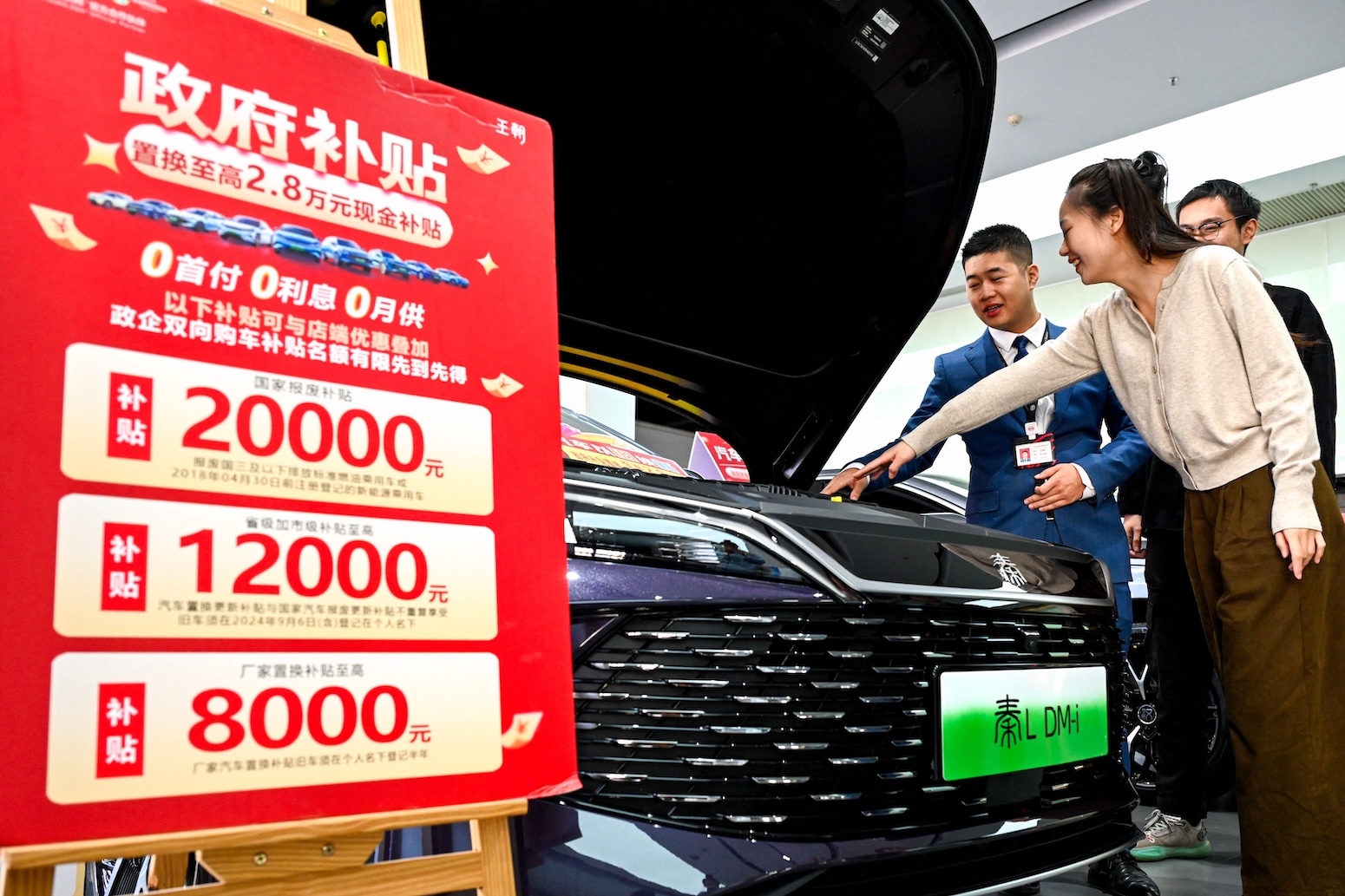
In a significant shift within the automotive industry, new-energy vehicles (NEVs) accounted for 67% of new car sales in China for September 2026, as reported by the China Passenger Car Association (CPCA).
This milestone reflects a historic high for NEVs, which encompass battery-electric vehicles (BEVs) and plug-in hybrids (PHEVs), despite an overall decline in the number of units sold compared to the previous year.
Combustion Engine Sales Plummet
The downturn in sales is primarily attributed to a sharp decline in the sales of combustion-engine vehicles, driven by increased gasoline prices linked to the ongoing Hormuz crisis. The CPCA indicated that sales of traditional fuel-only cars fell by 31% year-on-year in the first three quarters of 2026. Meanwhile, plug-in hybrid sales decreased by 26%, contrasting with the smaller decline of 4% in battery electric vehicle sales.
According to industry analysis, China’s expanding fleet of electric vehicles has compensated for a reduction in demand for 143 million barrels of oil since the onset of the Hormuz crisis, with experts suggesting that the crisis promotes the electrification of the nation’s road transport.
NEVs Capture Growing Market Share
As highlighted by the CPCA, two out of every three cars sold in September were NEVs, marking an impressive increase from just 6% in 2020, rising to 58% by mid-2026 and achieving a record 67% in September. This surge comes after a period of recovery from a low of 39% in January 2026, following the expiration of a long-standing purchase tax exemption.
The overall passenger car market is experiencing a slowdown, with total retail sales falling by 28% year-on-year in September. Notably, sales of combustion-engine vehicles plummeted by 43% in September alone, contributing to a 31% decline for the year. While sales of PHEVs also decreased by 36% in September, BEV sales showed a smaller decline of 8.5% in September and 4% for the year.
Oil Supply and Demand Dynamics
The growth of NEVs is, in part, attributed to the declining market share of petrol cars, which are being overshadowed by electric alternatives. Higher petrol prices have been cited as a significant factor affecting the sales of traditional combustion vehicles, with a 15% reduction in oil imports to China in 2026 compared to 2025, equating to a decrease of 470 million barrels due to ongoing supply issues.
Analysts estimate that EVs have accounted for 12% of the reduction in China’s oil consumption following the Hormuz crisis, reinforcing the country’s commitment to electrifying road transport.
Shifts in NEV Demand
Despite the impressive growth in NEV market share, sales have still declined year-on-year, albeit at a more moderate rate than the overall automotive market. Experts attribute this slower decline to supportive government policies and a robust pipeline of innovative models.
However, industry insiders warn that growth may plateau as NEVs are unlikely to surpass an 80% market share, citing the continued necessity for combustion vehicles in certain premium segments and specialized applications.
Export Growth Amid Domestic Decline
While domestic NEV sales experienced a 17% drop in September, exports soared, with an astounding 164% increase year-on-year. The CPCA has identified exports as a crucial focus for manufacturers facing tough domestic competition and softening demand.
In September, 1,084,000 NEVs were sold domestically, contrasted with 558,000 units exported. The surge in exports has raised concerns within the European Union, leading to the imposition of tariffs on Chinese EV imports, alongside similar actions from countries like Mexico and Turkey.
As the situation unfolds, the Chinese government is also considering policies that may deter exports, such as reducing VAT export rebates, though the anticipated impact of these changes remains contested among analysts.

Chief Editor of Quincy City Beat — Quincy, MA's independent investigative newspaper covering Greater Boston and the entire Commonwealth of Massachusetts with fearless public accountability and free access for all readers.








Discussion about this post